The District Administration Office (DAO) of Mustang has issued a public notice urging trekkers and travelers to refrain from undertaking journeys along the region’s popular high-altitude trekking routes until further notice. The warning follows an alert from the Department of Hydrology and Meteorology (DHM), which has forecasted adverse weather conditions, including heavy to moderate snowfall, across Mustang’s mountainous terrain until Wednesday.
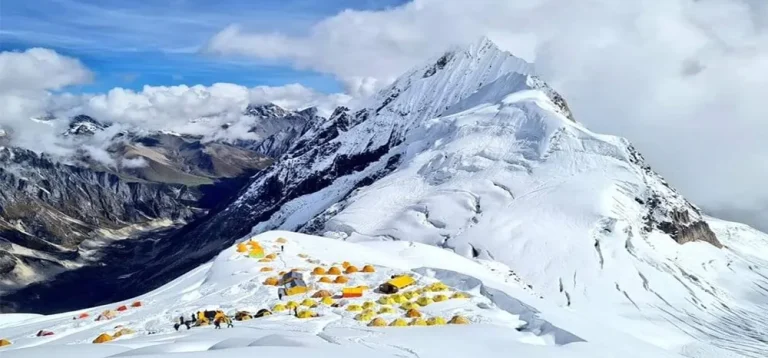
According to the DHM’s latest projection, several high Himalayan areas of Mustang are expected to experience significant snowfall over the next few days. The affected regions include the Mustang, Dolpa trail, Yak Kharka area at an elevation of around 5,800 meters, the Manang, Mustang Thorong La Pass at approximately 5,400 meters, the Mustang, Manang Saribung Pass which rises to about 6,000 meters, and parts of the Mustang, Myagdi Dhaulagiri trekking route, particularly around Dampus Peak.

The Mustang administration has advised that such conditions could lead to poor visibility, slippery trails, avalanches, and other hazards, making trekking extremely risky during this period.
Official Appeal to Suspend Treks
Chief District Officer (CDO) Bishnu Prasad Bhusal emphasized the importance of prioritizing safety over adventure. “We request all trekkers, guides, and travel agencies to postpone any planned trips through Mustang’s high-altitude trekking routes until the weather improves. The department has projected continuous snowfall until Wednesday, and it would be unsafe to travel through these routes,” Bhusal stated.
He added that the local administration is closely monitoring weather updates and coordinating with security agencies and tourism offices to ensure the safety of domestic and foreign visitors currently in the region.
Risks in Popular Trekking Routes
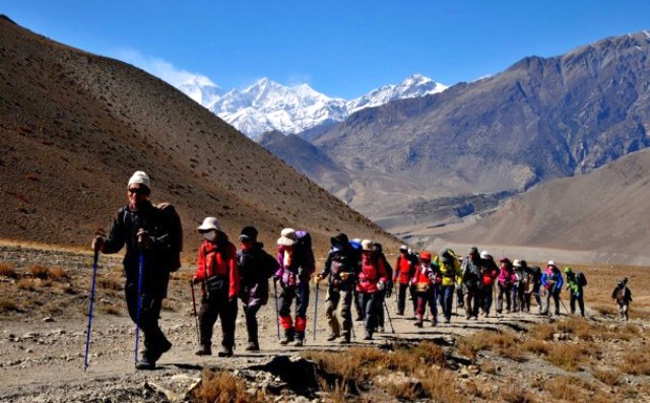
Mustang is renowned for some of Nepal’s most scenic and challenging trekking trails, connecting remote trans-Himalayan valleys and high mountain passes. Routes such as Thorong La Pass and Saribung Pass attract hundreds of trekkers annually, particularly during the autumn season. However, these areas lie above 5,000 meters, where sudden weather changes can quickly turn dangerous.
Officials have expressed concern that even light snowfall can block trails, disrupt visibility, and hinder communication and rescue operations in remote regions. The Dhaulagiri Circuit and the Mustang–Dolpa trail, in particular, have been identified as zones of heightened risk due to their elevation and isolation.
Advisory for Pilgrims and Local Travelers
In addition to trekkers, the administration has also appealed to pilgrims and domestic tourists visiting religious and cultural sites in Mustang to exercise caution. The notice warns that other areas of the district could also experience snowfall and rainfall until mid-week.
The DAO’s statement recommends that all travelers stay updated with official weather forecasts, carry appropriate winter gear, and avoid traveling alone. “Those already in the mountains should remain at safe locations and wait until conditions stabilize before continuing their journey,” the notice added.
Coordination with Tourism Stakeholders
Local authorities have begun coordinating with the Tourism Office of Jomsom, Nepal Police, Nepal Army, and trekking agencies to disseminate the alert among local communities, lodges, and guides. Emergency response teams are reportedly on standby to assist stranded or at-risk travelers if needed.
Travel and trekking companies operating in the region have been urged to contact their clients immediately and inform them about the latest restrictions and risks. Many trekking agencies have already begun suspending their high-altitude itineraries temporarily.

Focus on Safety and Preparedness
Mustang’s rugged terrain and unpredictable weather have long posed challenges for adventurers. Authorities reiterated that while tourism remains a vital part of the local economy, safety cannot be compromised. “We understand the enthusiasm of trekkers visiting Mustang, but the current conditions are not favorable,” CDO Bhusal noted. “We strongly advise everyone to prioritize their well-being and wait until the weather becomes stable.”
The administration has assured that it will issue an updated notice once the weather improves and it is deemed safe to resume trekking activities in the high Himalayan zones. Until then, travelers are encouraged to stay informed, remain cautious, and respect the directives of local authorities.