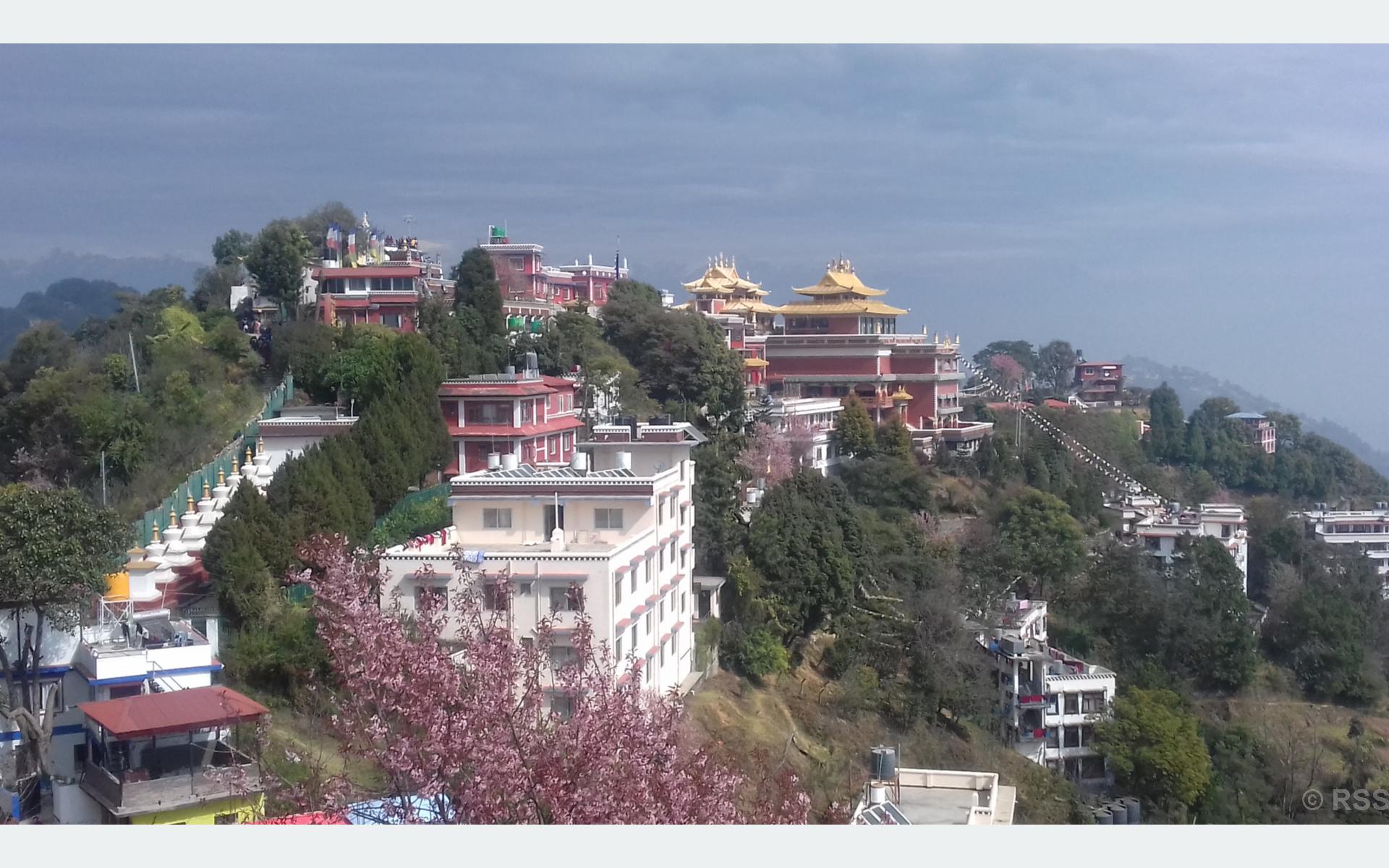
The historic Namobuddha Jatra, one of Nepal’s significant Buddhist religious festivals, is set to begin on Monday at Namobuddha in Kavrepalanchok district, bringing together thousands of devotees and visitors from Nepal and abroad. Held annually during Kartik Shukla Purnima, the three-day festival celebrates the Buddhist values of compassion, self-sacrifice and generosity through a centuries-old religious tradition associated with the previous life of Gautama Buddha. Located in Namobuddha Municipality-11, the sacred site is an important destination for Buddhist pilgrims and cultural visitors.
According to the temple management committee, approximately 50,000 devotees visit Namobuddha every year to offer prayers and participate in religious activities. The annual Jatra further highlights the area’s importance as a Buddhist pilgrimage destination and a centre of Nepal’s religious and cultural heritage. The festival takes place from Kartik Shukla Chaturdashi through the full moon day and continues until the following Pratipada. Devotees from different parts of Nepal, particularly the Tamang and Newar communities, participate in the celebrations. Buddhist followers from neighbouring districts and international visitors also visit the sacred site to observe the rituals and pay homage.
Namobuddha Jatra Celebrates the Buddhist Story of Compassion and Sacrifice
The religious significance of Namobuddha is closely associated with the Jataka story of Prince Mahasattva, believed to be one of the previous incarnations of Gautama Buddha. According to Buddhist tradition, the prince encountered a starving tigress and her five cubs in the forest of Gandhaman Mountain. Moved by compassion after seeing the animals struggling to survive, he offered his own flesh to feed them and eventually sacrificed his life to save them.
The story is regarded as a powerful representation of selflessness, compassion and the Buddhist principle of protecting all living beings. According to Namobuddha’s chief lama, Kancha Lama, the annual festival commemorates this act of sacrifice and has been observed as a religious tradition at the sacred site for generations. The location where the prince is believed to have sacrificed his life remains an important place of worship. Devotees visit the site to offer prayers, perform religious rituals and light butter lamps in remembrance of the legendary event.
According to local religious beliefs, the tigress is associated with Goddess Lakshmi, while her five cubs are revered as monks. The legend also connects the story to King Maharath and Queen Satyawati, the parents of the prince. Following their son’s sacrifice, the royal couple is believed to have spent the remainder of their lives serving the sacred site and engaging in religious activities. They are also remembered locally as Shankheshwori Aji-Ajima.
Three-Day Festival Features Butter Lamps, Traditional Music and Cultural Performances
Religious rituals and traditional cultural performances are among the major attractions of the Namobuddha Jatra. According to Lopsang Bajra Lama, chairman of the Namobuddha Guthi, devotees light butter lamps throughout the first night of the festival in memory of their deceased ancestors. The tradition is based on the religious belief that lighting lamps throughout the night provides spiritual illumination to departed family members for the entire year. The ritual holds special significance for devotees who gather at the sacred site to offer prayers and remember their ancestors.
Traditional songs and dances are also performed during the festival, reflecting the cultural heritage of the communities that have maintained the Jatra over generations. The participation of Tamang and Newar devotees gives the celebrations a distinct cultural character, while the religious activities attract Buddhist followers from different parts of the country. Visitors from Sindhupalchok, Sindhuli, Ramechhap, Bhaktapur, Lalitpur, Kathmandu, Dhading and Nuwakot regularly travel to Namobuddha during the festival. Local resident Rakesh Lama said that the religious site also receives Nepali and international Buddhist visitors throughout the year, demonstrating its importance beyond the annual celebrations.
Namobuddha’s Historic Monuments and Buddhist Heritage Attract Pilgrims
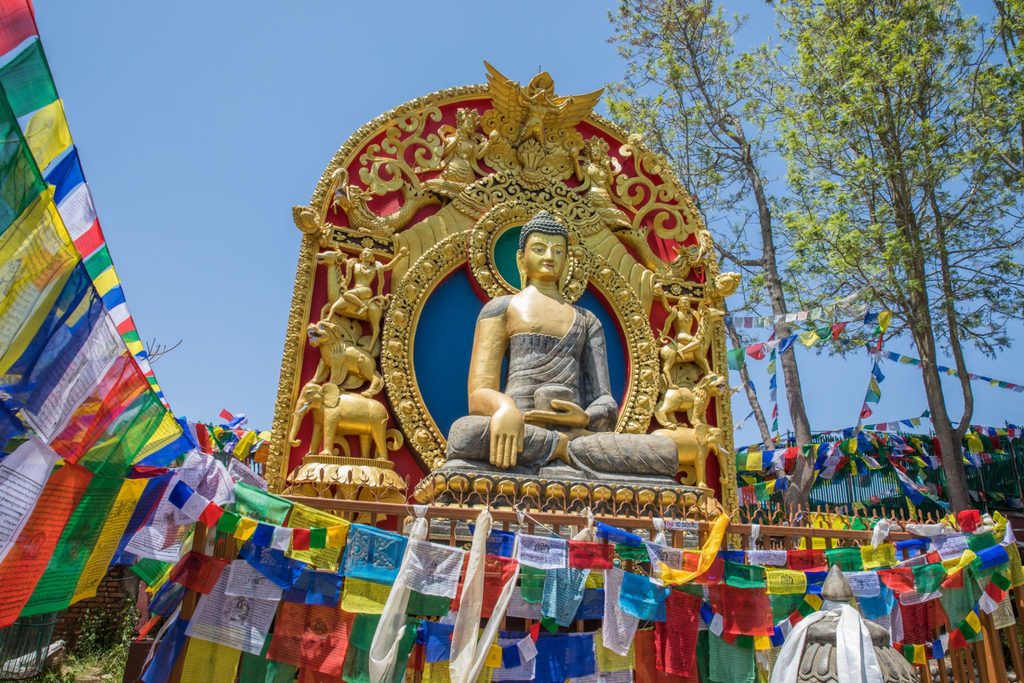
Apart from the annual Jatra, Namobuddha is recognised for its historical monuments, monasteries, temples, stupas and stone sculptures of Buddha. The area contains several important religious structures that reflect Nepal’s longstanding Buddhist traditions and architectural heritage. Historical records indicate that a stupa was constructed on the summit of Gandhaman Mountain after the remains of the prince were collected there. An inscription associated with the monument dates back to Nepal Sambat 974. A sculpture depicting the prince offering his flesh to the tigress has also been installed at the site, preserving the legendary story through religious art.
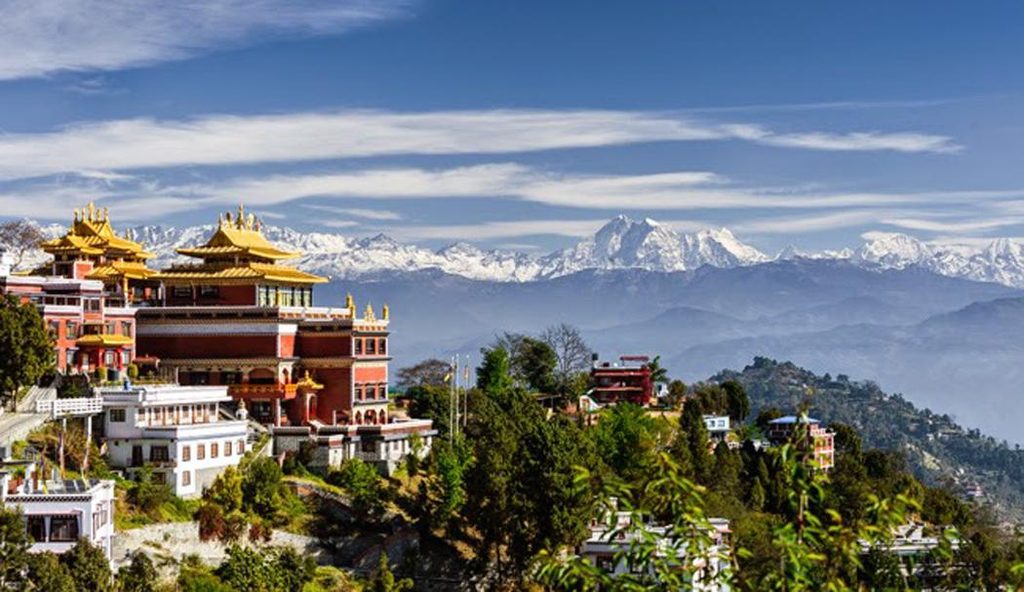
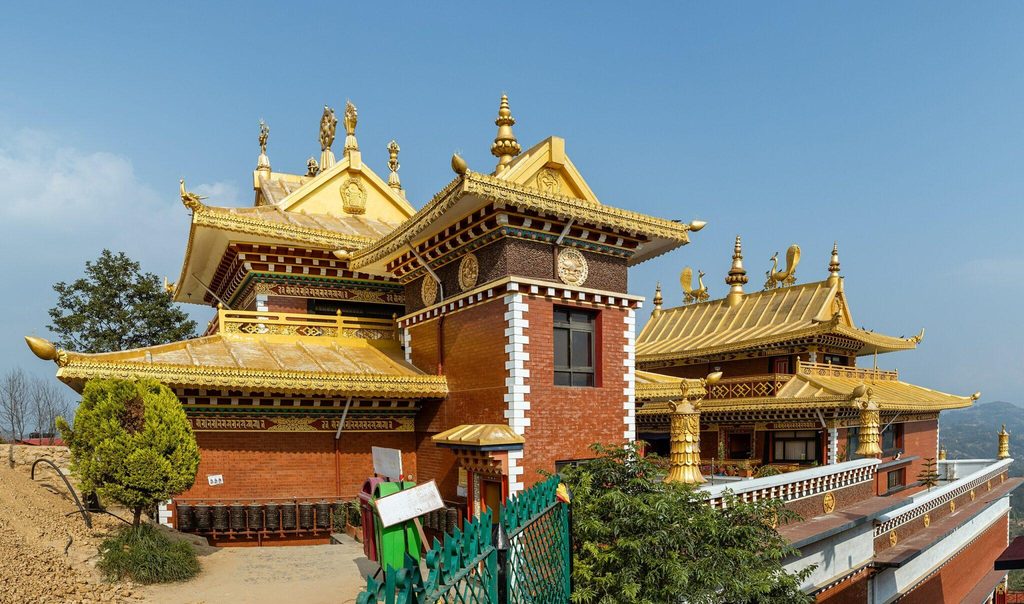
The area is home to a large monastery complex, temples and Buddhist stupas. Buddhist learning institutions also operate within the monasteries, providing religious education and helping preserve traditional Buddhist practices. Namobuddha also hosts religious gatherings on Bhadra Krishna Dwadashi and Chaitra Krishna Dwadashi, in addition to the main annual Jatra. During the Bhadra festival, the ceremonial chariot of Namobuddha is taken to the former royal palace in Panauti.
The procession includes two Dipankara Buddhas and the figures of Aji-Ajima, reflecting the historical religious relationship between Namobuddha and Panauti. The birthplace of the prince is traditionally associated with Kashi Barna Mahabir, located near the Taleju Bhawani Temple in Panauti. These interconnected religious sites add further historical and cultural significance to the Namobuddha pilgrimage circuit.
Namobuddha Offers a Major Destination for Buddhist and Cultural Tourism
Situated approximately 32 kilometres east of Kathmandu and 18 kilometres south of Dhulikhel, Namobuddha is an important destination for religious tourism in Nepal. Its combination of Buddhist heritage, historical monuments, traditional festivals and scenic landscapes makes it attractive to both domestic and international visitors. Travellers can reach Namobuddha through different routes, including the road from Panauti via the Shankhu Valley and a hiking route from Dhulikhel. The hiking option provides visitors with an opportunity to explore the surrounding settlements, natural landscapes and rural environment while experiencing the cultural character of the region.
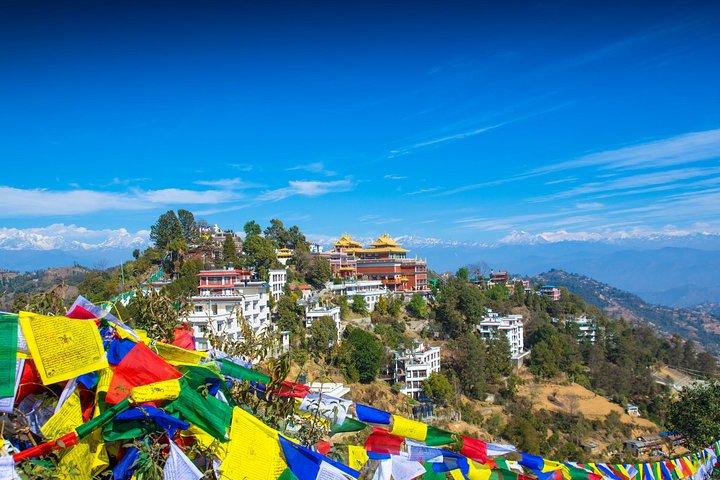
The destination also offers panoramic views of the green settlements around Panauti, surrounding hills and Himalayan ranges to the east and north. Its peaceful environment, monasteries and religious landmarks provide opportunities for pilgrimage, cultural exploration, sightseeing and hiking. With approximately 50,000 devotees visiting annually, the Namobuddha Jatra highlights the destination’s potential to strengthen Nepal’s Buddhist pilgrimage and cultural tourism offerings. The festival also provides an opportunity to promote the country’s religious heritage, local traditions and community-based tourism while introducing visitors to one of the most meaningful Buddhist legends associated with Nepal.
Source-RSS