The Nepal Association of Tour and Travel Agents (NATTA) on Monday organized a high-level discussion on Tour Remittance, bringing together key tourism stakeholders to address operational challenges, regulatory issues and possible reforms aimed at strengthening Nepal’s outbound tourism industry.
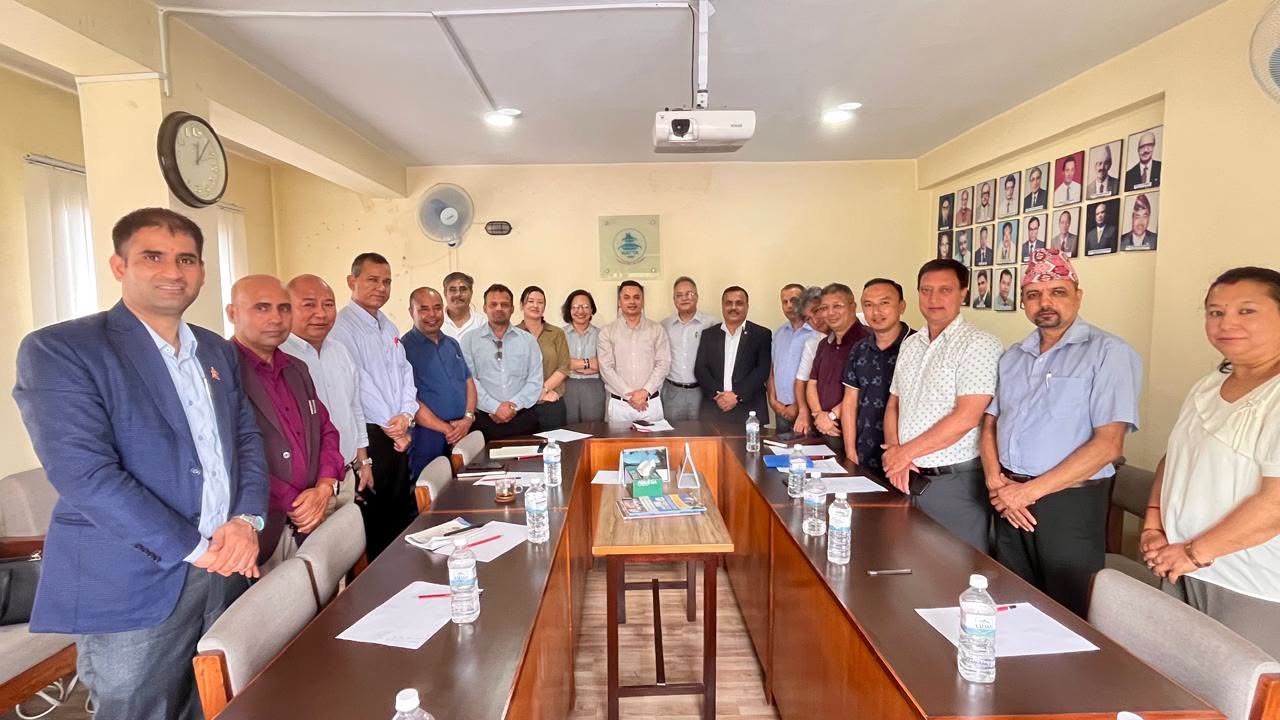
Held at the NATTA Secretariat in Gairidhara, Naxal, the programme was chaired by NATTA President Kumar Mani Thapaliya and attended by senior officials from the tourism sector, including Hikmat Singh Ayer, Acting Chief Executive Officer of the Nepal Tourism Board, NATTA executive members and representatives from major tourism associations.
Among those present were Senior Vice President Jiswan Tuladhar Shrestha, Vice President Ghanashyam Ghimire, Secretary General Yubika Bhandari, NATTA Board Members, and representatives from the Trekking Agencies’ Association of Nepal (TAAN), Association of Kailash Tour Operators Nepal (AKTON), Society of Tour and Travel Operators Nepal (SOTTO) and Nepal Association of Tour Operators (NATO).

Focus on overcoming tour remittance challenges
The discussion centred on the existing tour remittance system, with participants reviewing current procedures, identifying operational bottlenecks and exploring practical solutions to improve financial transactions for outbound tour operators.
As Nepal’s outbound tourism market continues to expand, industry representatives highlighted the growing need for an efficient and transparent remittance mechanism that enables travel companies to conduct international business smoothly while complying with financial regulations.
Participants noted that the current remittance procedures pose operational challenges for travel agencies and emphasized the importance of simplifying the system to improve service delivery and business efficiency.
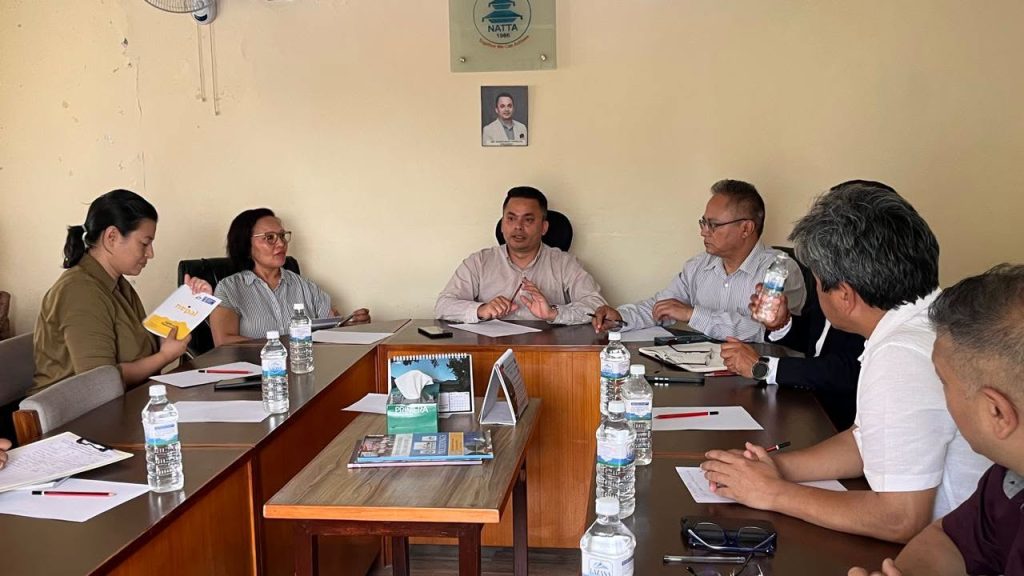
Stronger coordination urged between government and private sector
The interaction also focused on enhancing coordination among tourism entrepreneurs, government agencies and regulatory institutions to develop a more effective framework for tour remittance.
Participants stressed that closer collaboration between the private sector, the Nepal Tourism Board and financial regulatory authorities would help address procedural complexities, reduce operational risks and create a more business-friendly environment for Nepal’s travel industry.
The meeting underscored the need for policy reforms that balance regulatory compliance with the practical requirements of tour operators engaged in international travel services.
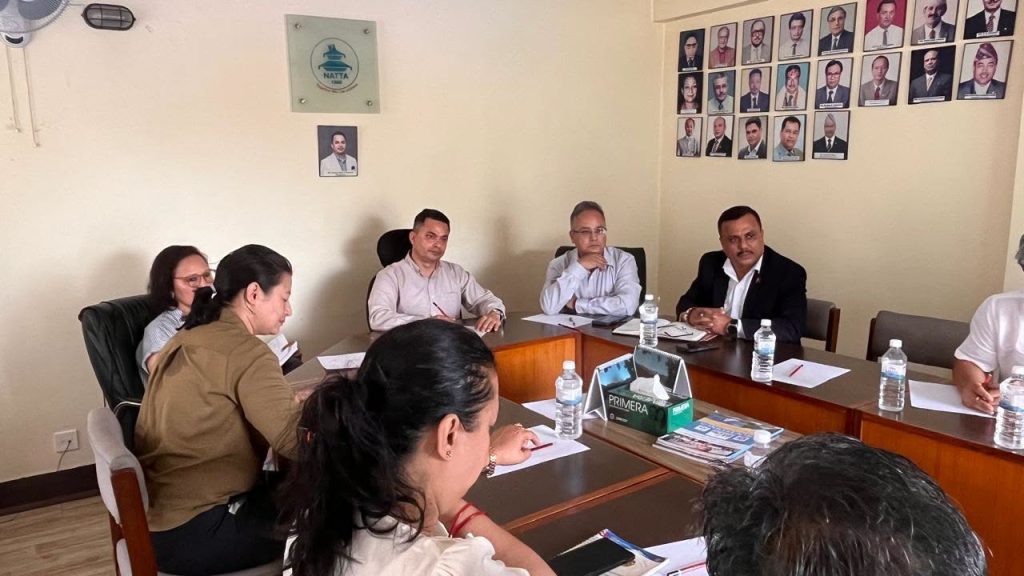
NATTA calls for collaborative policy reforms
Speaking at the programme, NATTA President Kumar Mani Thapaliya highlighted the importance of collective advocacy in addressing industry concerns and ensuring that Nepal’s travel businesses remain competitive in the global tourism market.
He said streamlining tour remittance procedures is essential for the sustainable growth of Nepal’s outbound tourism sector and would contribute significantly to strengthening the country’s overall travel trade industry.
Thapaliya also emphasized that constructive dialogue among tourism stakeholders and government institutions is crucial for developing practical policies that support the long-term interests of travel entrepreneurs.

Commitment to a sustainable outbound tourism system
The programme concluded with participating organizations reaffirming their commitment to continued policy dialogue and closer cooperation in pursuing reforms to Nepal’s tour remittance framework. Stakeholders agreed that establishing a transparent, efficient and sustainable remittance system would not only improve the operational environment for travel agencies but also enhance professional standards across the tourism industry.
They expressed confidence that continued collaboration among tourism associations, government agencies and financial regulators would help build a more resilient outbound tourism sector capable of meeting the demands of an increasingly globalized travel market.
The discussion marked another significant step in NATTA’s ongoing efforts to strengthen Nepal’s travel trade by promoting policy reforms, improving financial systems and fostering greater coordination among key stakeholders in the country’s tourism industry.