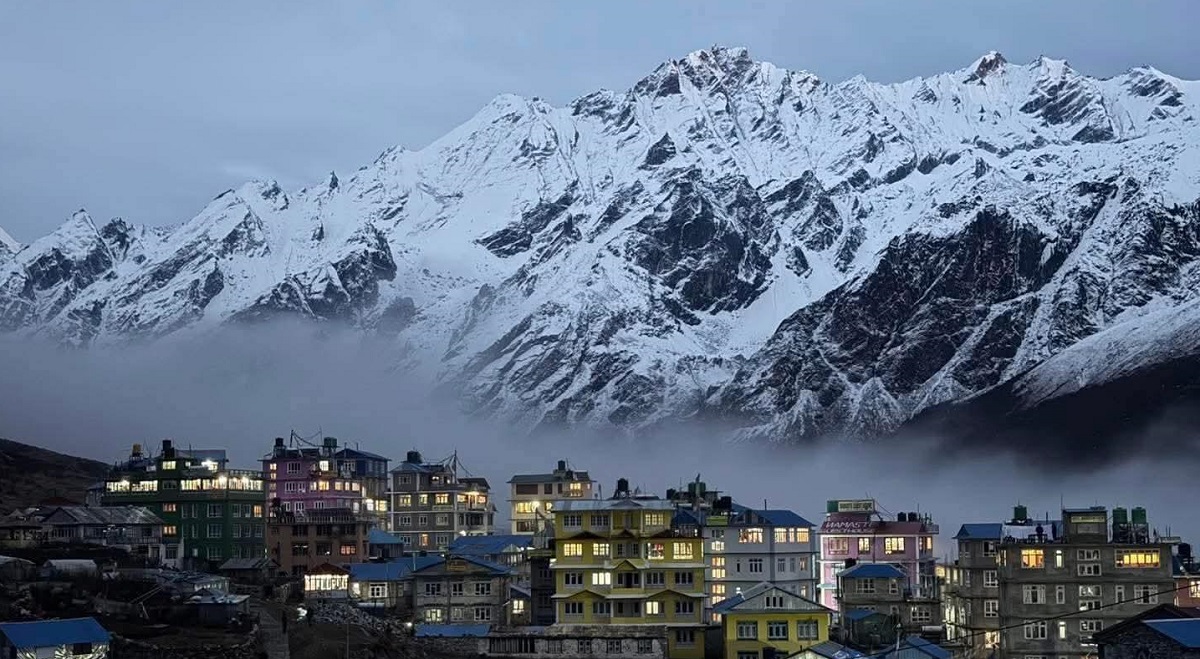
Langtang National Park recorded a decline in both tourist arrivals and revenue collection during the current fiscal year compared to the previous year, according to park officials. Data released by the park administration show that the park has welcomed 50,360 visitors so far this fiscal year, down from nearly 56,000 tourists recorded during the previous fiscal year. Of the total visitors this year, 39,011 were domestic tourists, 788 were from SAARC countries, and 10,561 were international visitors from other countries, reflecting a decrease in overall tourist traffic.

Revenue falls alongside visitor numbers
The decline in visitor arrivals has also affected the park’s revenue collection. According to Ganesh Prasad Tiwari, Information Officer at Langtang National Park, the park has generated Rs 42.8 million in revenue so far this fiscal year, compared to Rs 57.7 million collected during the previous fiscal year. Officials attributed the revenue decline primarily to the lower number of visitors entering the protected area.
Popular destination for trekking and pilgrimage
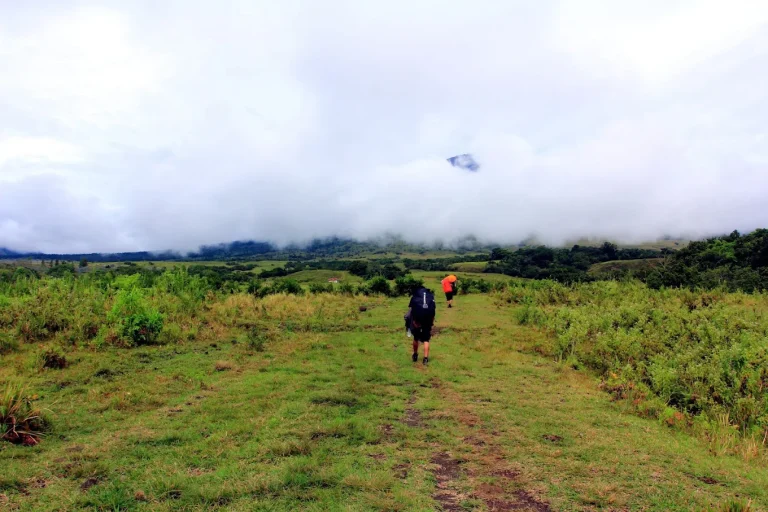
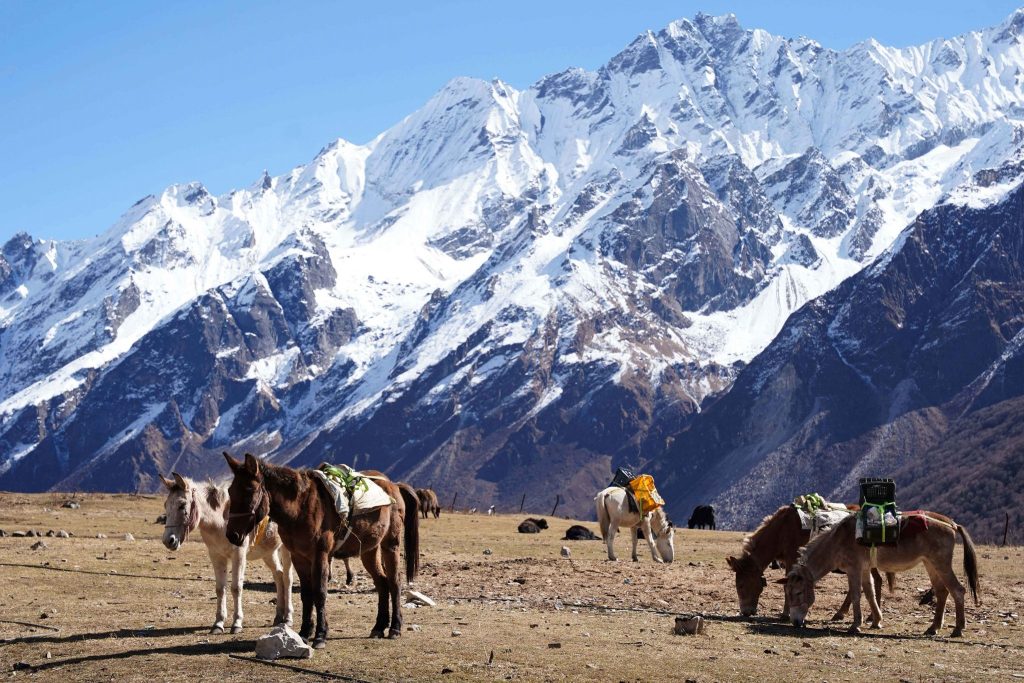
Langtang National Park remains one of Nepal’s most popular protected areas, attracting both domestic and international visitors with its spectacular Himalayan scenery, rich biodiversity and renowned trekking routes. The park is also home to the sacred alpine lake Gosaikunda, one of Nepal’s most important religious pilgrimage destinations, which draws thousands of Hindu and Buddhist devotees as well as trekkers each year. The combination of natural beauty, wildlife, cultural heritage and religious significance has made the Langtang region a major tourism destination in the central Himalayas.

Tourism revenue supports conservation and local communities
According to park authorities, revenue generated from tourism plays a crucial role in financing conservation activities, biodiversity management and community development programmes within and around the protected area. The funds are used for park protection, wildlife conservation, habitat management and initiatives aimed at improving the livelihoods of local communities that depend on tourism and natural resources. Officials said maintaining sustainable tourism growth remains essential to ensuring adequate financial resources for conservation efforts while supporting the local economy in the Langtang region.