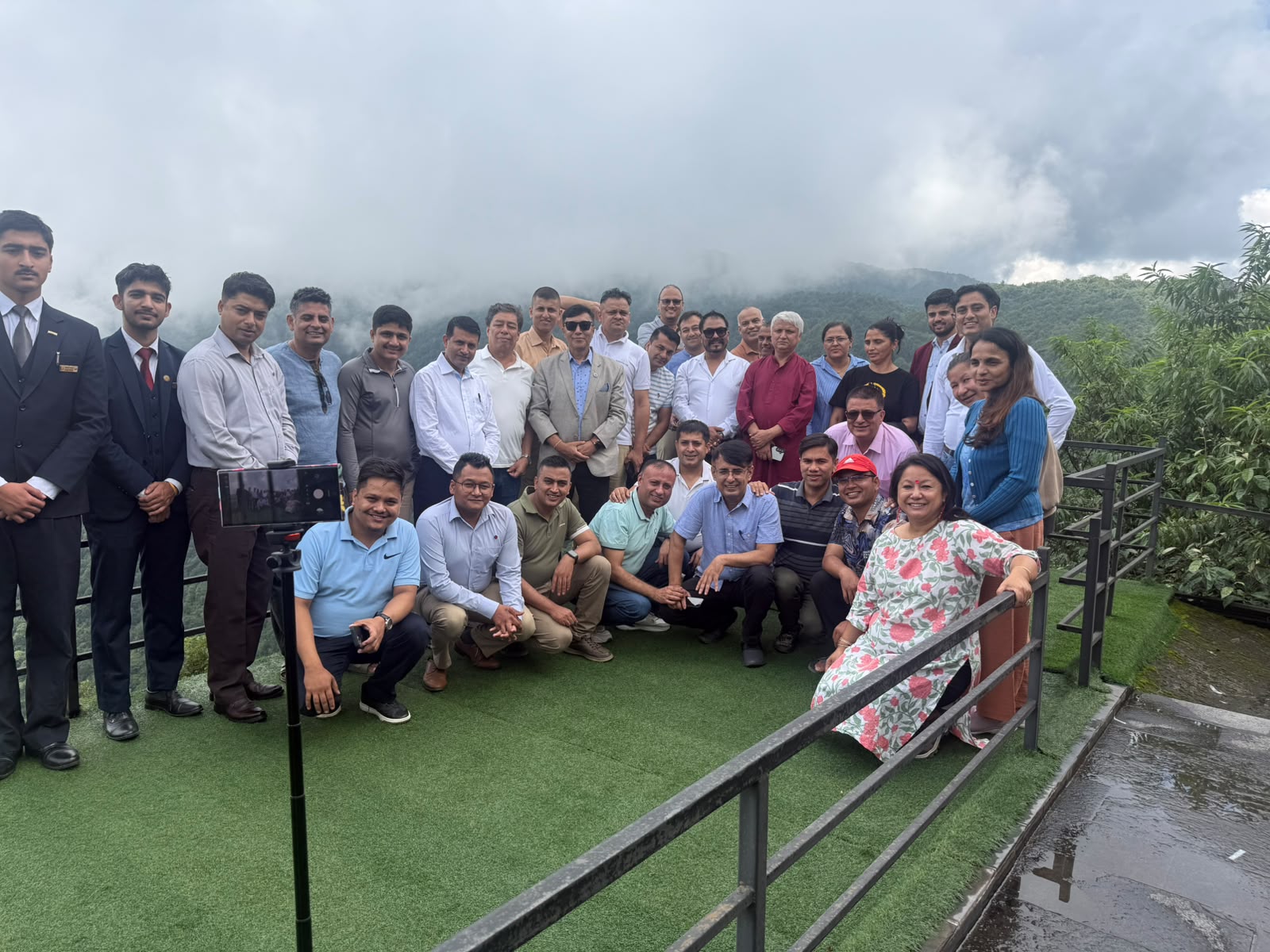
Nepal has taken a significant step toward greener and more sustainable hospitality with the Inception Workshop on Greening Hospitality Standards, held from August 21–24 under the leadership of the Ministry of Culture, Tourism and Civil Aviation (MoCTCA). The workshop brought together government agencies, tourism associations, hospitality businesses, experts and educational institutions to jointly develop a practical Green Hospitality Standard Framework.
Led by the Ministry of Culture, Tourism and Civil Aviation (MoCTCA), the pioneering initiative brought together government agencies, tourism associations, hospitality businesses, experts and other key stakeholders to begin shaping a national framework for green hospitality standards.
Moving Beyond Traditional Policy-Making
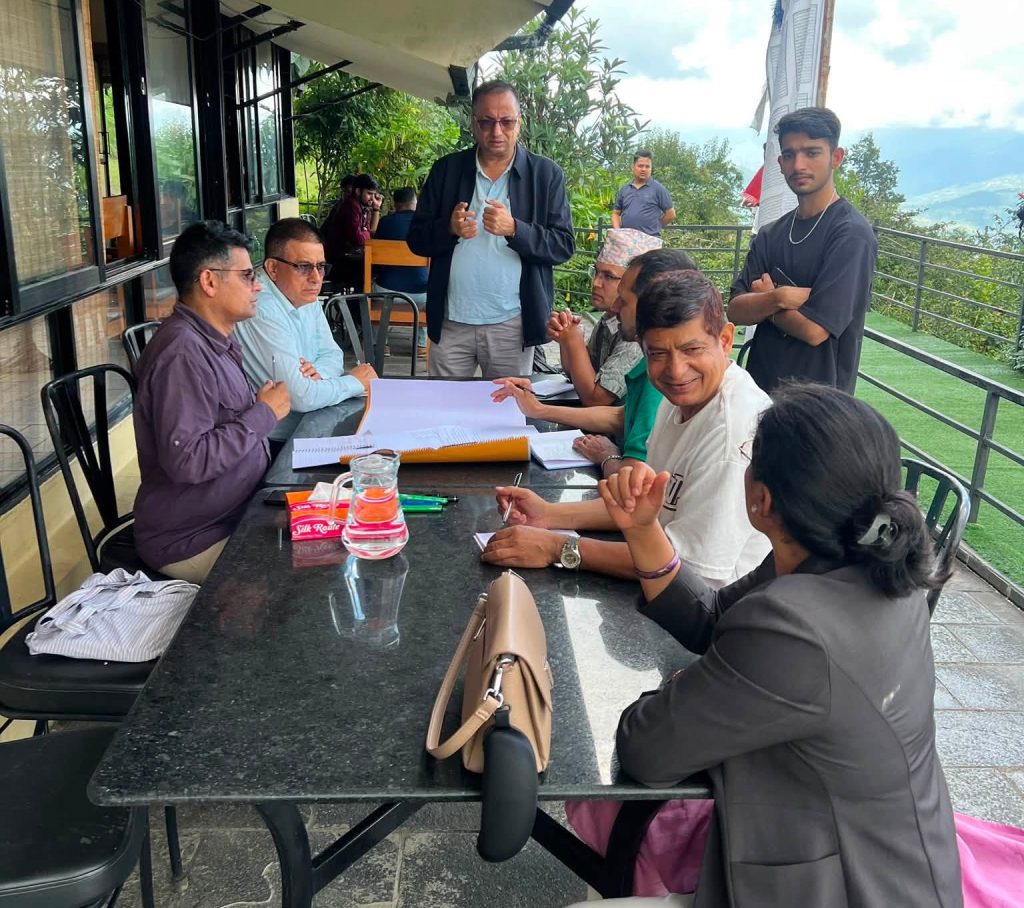
The initiative adopted a different approach to conventional policy-making, moving beyond boardroom discussions and a purely top-down process.
Instead, stakeholders from across Nepal’s hospitality ecosystem were directly involved in the policy-development process from the outset. The approach provided representatives with an opportunity to share their perspectives and collectively discuss how sustainability standards can be made practical and relevant to Nepal’s hospitality industry.
The initiative focused on creating a framework that can be implemented across different types and sizes of hotel businesses while addressing Nepal’s environmental and tourism priorities.
Sustainability in Practice
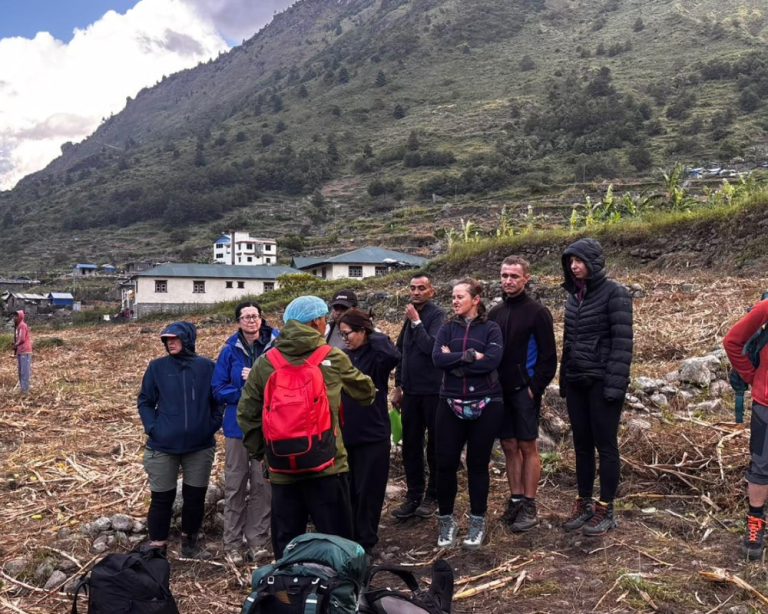
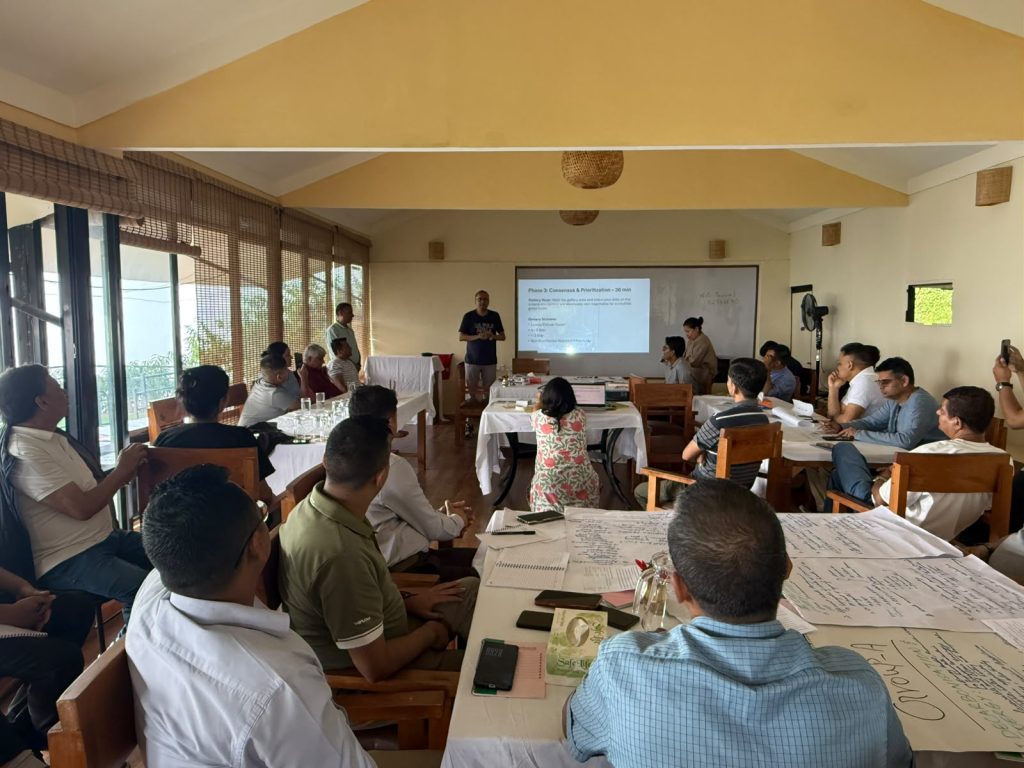
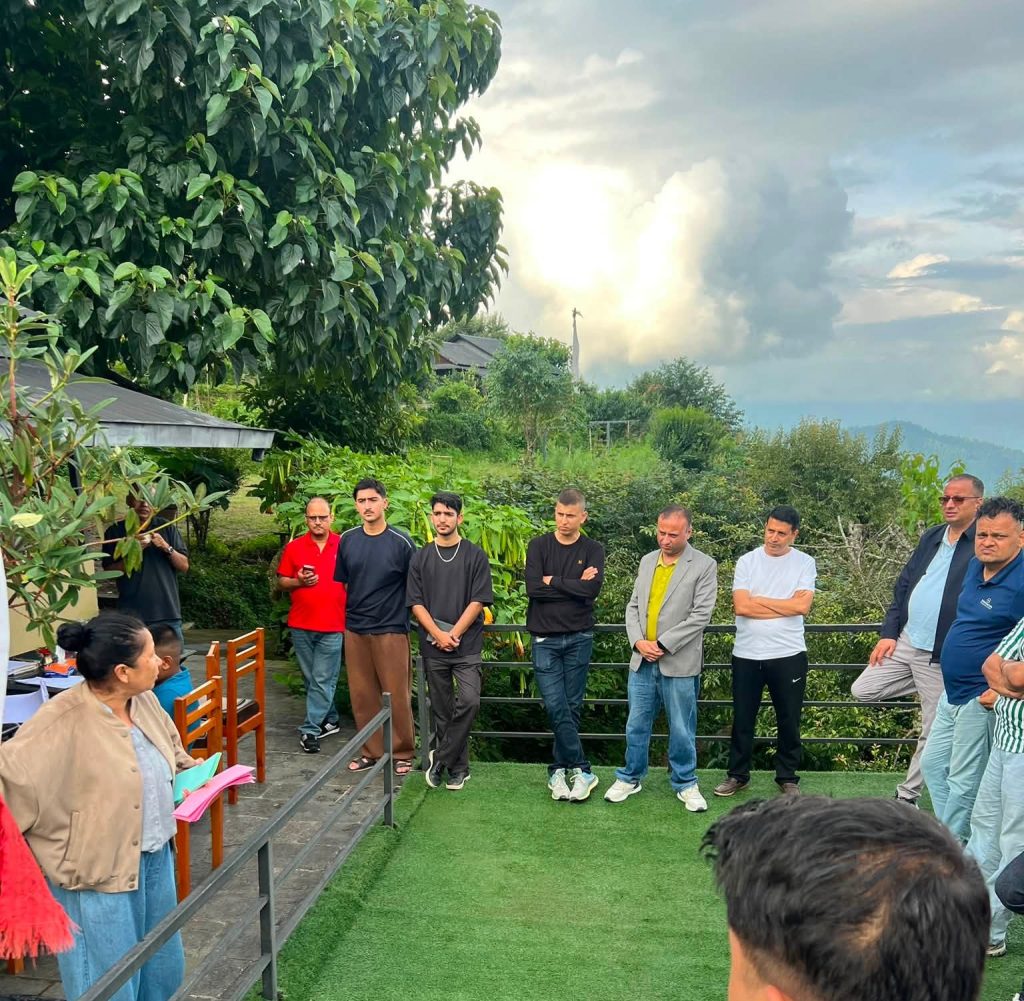
A key feature of the workshop was its real-world, on-site approach. Rather than limiting discussions to conventional meeting rooms, participants visited and engaged with two internationally recognised green-certified hotels properties.
The workshop was conducted at Hotel Barahi Kathmandu, recognised under the TOFTigers Eco Footprint programme, and Prakriti Resort, Haibung, which holds Travelife Gold certification. The field-based approach enabled participants to observe sustainability practices in actual hospitality operations and learn from properties already implementing environmentally responsible practices.
Broad Participation From Tourism Sector
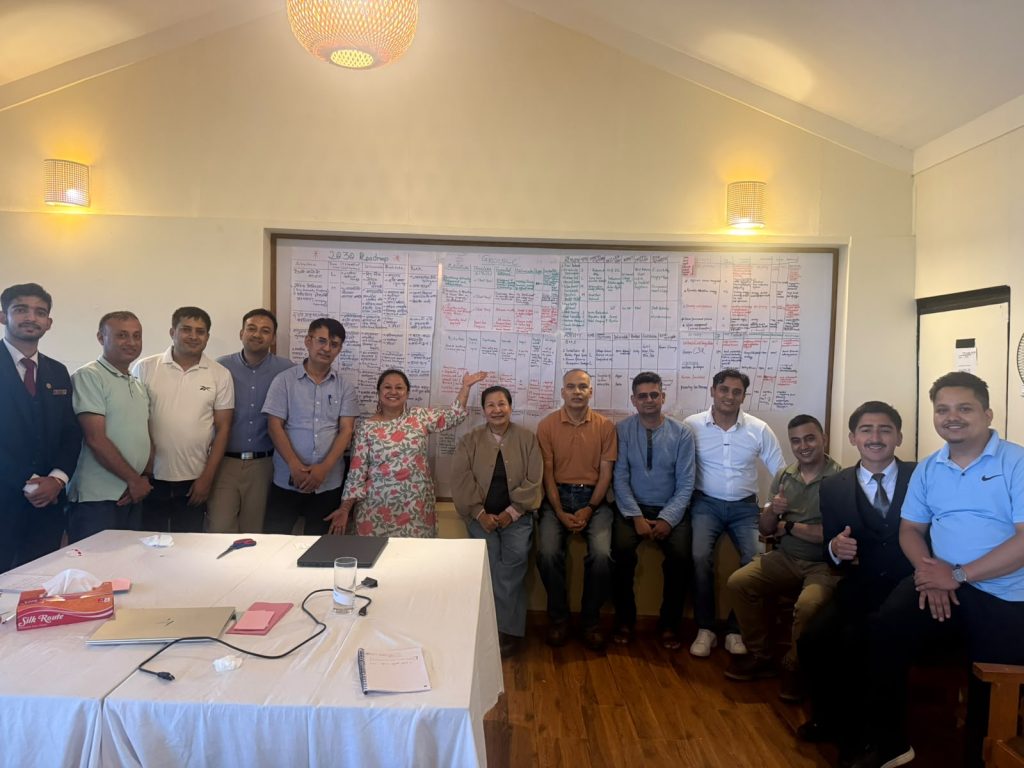
The workshop brought together representatives from a wide range of institutions involved in Nepal’s tourism and hospitality sector. Regulatory and statutory institutions participating in the initiative included the Department of Tourism, Nepal Bureau of Standards and Metrology, Nepal Rastra Bank, Ministry of Industry, Commerce and Supplies, and Nepal Tourism Board.
Industry and professional stakeholders included the Hotel Association of Nepal (HAN), Hotel Federation of Nepal (HOFEN), Trekking Agencies’ Association of Nepal (TAAN), international hotel chains, homegrown hospitality brands, and star and non-star hotels. Expert and educational institutions, including the Nepal Academy of Tourism and Hotel Management (NATHM), Council for Technical Education and Vocational Training (CTEVT), and StoryCycle, also contributed to the discussions.
The workshop laid the groundwork for a transformative Green Hospitality Standard Framework aimed at integrating sustainability into everyday hotel operations. The proposed framework is expected to focus on areas including climate resilience, ESG compliance and measurable sustainability indicators, helping businesses assess and improve their environmental performance. The initiative also seeks to contribute to the protection of Nepal’s natural ecosystems while ensuring that the country’s growing tourism industry develops more responsibly and sustainably.
Building a Greener Future for Nepal’s Hotel Industry
The collaborative approach adopted during the workshop has been described as an important step toward creating practical, inclusive and nationally relevant green hospitality standards. By bringing policymakers, regulators, industry representatives and sustainability experts together from the beginning, Nepal aims to establish a framework that can translate sustainability principles into concrete actions across the hotel sector.
The initiative is expected to support Nepal’s broader efforts to strengthen sustainable tourism while safeguarding its natural resources and fragile ecosystems. The lead consultant for Wildlife Conservation Nepal (WCN), who led the process on behalf of the Ministry, expressed appreciation to all participating institutions and stakeholders for their contribution to the initiative and said the collaborative effort marks an important new chapter for Nepal’s hospitality sector.