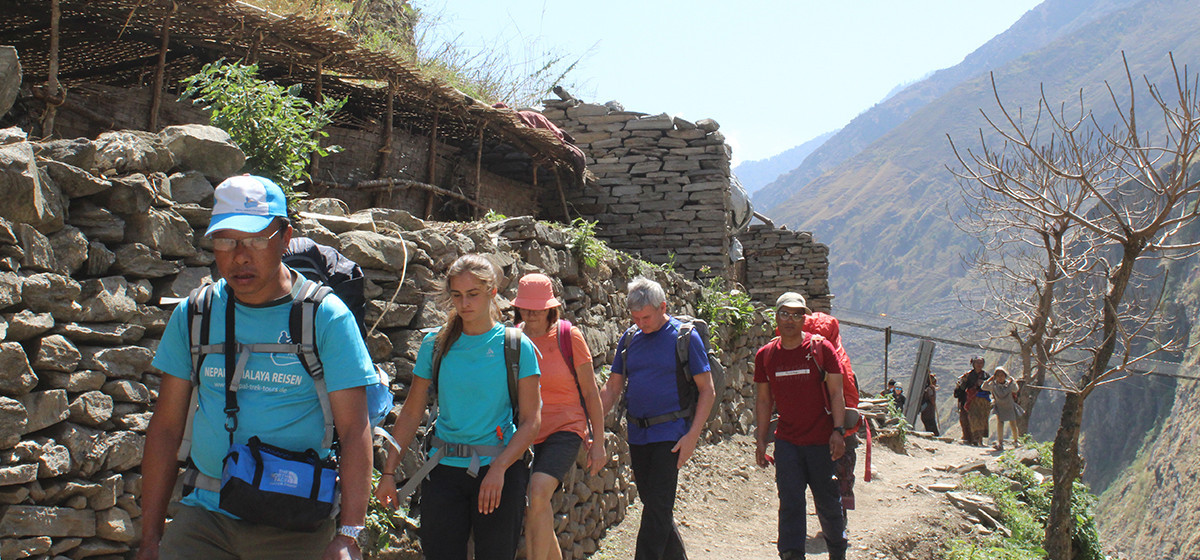
The Government of Nepal has introduced significant policy reforms regarding trekking in designated restricted areas, aiming to enhance tourism accessibility while maintaining safety and regulatory standards. The new provisions, announced by the Department of Immigration, are expected to boost Nepal’s mountain tourism sector, increase foreign tourist arrivals, and create greater economic opportunities for remote communities.
Background and Need for Reform
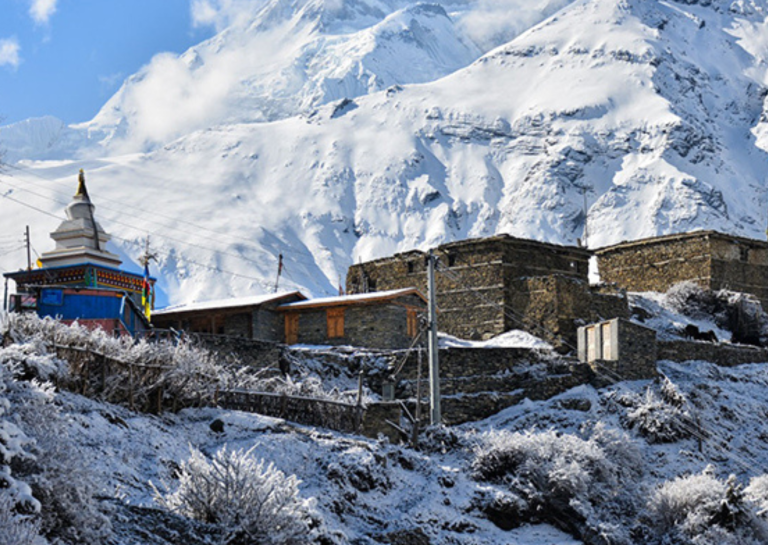
Trekking remains one of the primary activities for tourists visiting Nepal, particularly those seeking mountain and adventure experiences. Restricted areas such as Upper Mustang, Upper Dolpa, Manaslu, Humla, and other remote regions have long attracted international trekkers due to their unique landscapes and cultural richness. However, previous legal provisions mandated that trekkers must travel in groups of at least two and obtain permits only after arriving in Nepal, which created barriers for many visitors.

Tourism stakeholders, including trekking agencies and industry associations, had repeatedly raised concerns that such restrictions discouraged solo travelers and led to a decline in visitor numbers in these regions. As a result, the country was losing potential revenue, while local communities were deprived of tourism-related income and employment opportunities.
Provision for Solo Trekkers
One of the most significant reforms is the decision to allow solo trekkers to enter restricted areas. Previously, foreign tourists were required to form a group of at least two individuals to obtain trekking permits. This requirement often forced solo travelers either to abandon their plans or to artificially join groups arranged by agencies.
With the new policy, individual trekkers can now obtain permits and undertake journeys in restricted regions. This change is expected to attract a larger number of independent travelers, a growing segment in global tourism. Authorities believe this move will help increase tourist flow, thereby generating additional revenue for the government and supporting local economies in remote areas.
However, to ensure safety, the policy mandates that all trekkers, whether solo or in groups, must apply through a registered trekking agency and be accompanied by a licensed trekking guide. Additionally, one guide will be assigned for a limited number of trekkers to maintain proper supervision and ensure effective monitoring during the trek.
Improved Permit System
Another major reform addresses the permit issuance process. Previously, trekkers had to wait until they entered Nepal and obtained a visa before applying for restricted area permits. This process often caused delays and inconvenience, leading to dissatisfaction among tourists.
Under the revised system, authorized trekking agencies connected to the Department of Immigration’s online platform can now process permit applications in advance. This means tourists can receive their trekking permits before arriving in Nepal, making travel planning smoother and more efficient.
Officials state that this digital system has been designed to be fast, user-friendly, and hassle-free. The Department has also provided a dedicated contact number to assist applicants facing any difficulties during the process.
Safety and Group Management Measures
To ensure the safety of trekkers, the government has introduced clear guidelines regarding group size and guide allocation. The policy stipulates that a single trekking guide can oversee a maximum of seven trekkers in restricted areas. This measure aims to improve monitoring, enhance safety, and ensure better management of trekking activities.
In addition, trekking agencies will bear full responsibility for emergency rescue operations if required. This provision ensures accountability and strengthens the overall safety framework for tourists exploring remote and high-risk regions.
Economic and Social Impact
The policy reforms are expected to have far-reaching economic benefits. By allowing solo trekkers and simplifying the permit process, Nepal aims to attract more high-value tourists to its restricted regions. Increased tourist flow will generate higher revenue for the government through permit fees and related services.

Moreover, the reforms are likely to benefit local communities by creating employment opportunities in guiding, hospitality, and support services. Remote areas, where infrastructure has already been developed, are expected to see increased economic activity, helping reduce migration and support sustainable livelihoods.
The newly introduced policy reforms mark a significant step forward in modernizing Nepal’s trekking regulations. By balancing accessibility with safety, the government aims to position Nepal as a more competitive and attractive destination for global adventure tourism. If effectively implemented, these changes could play a crucial role in revitalizing the country’s tourism industry and ensuring inclusive growth in its mountainous regions.