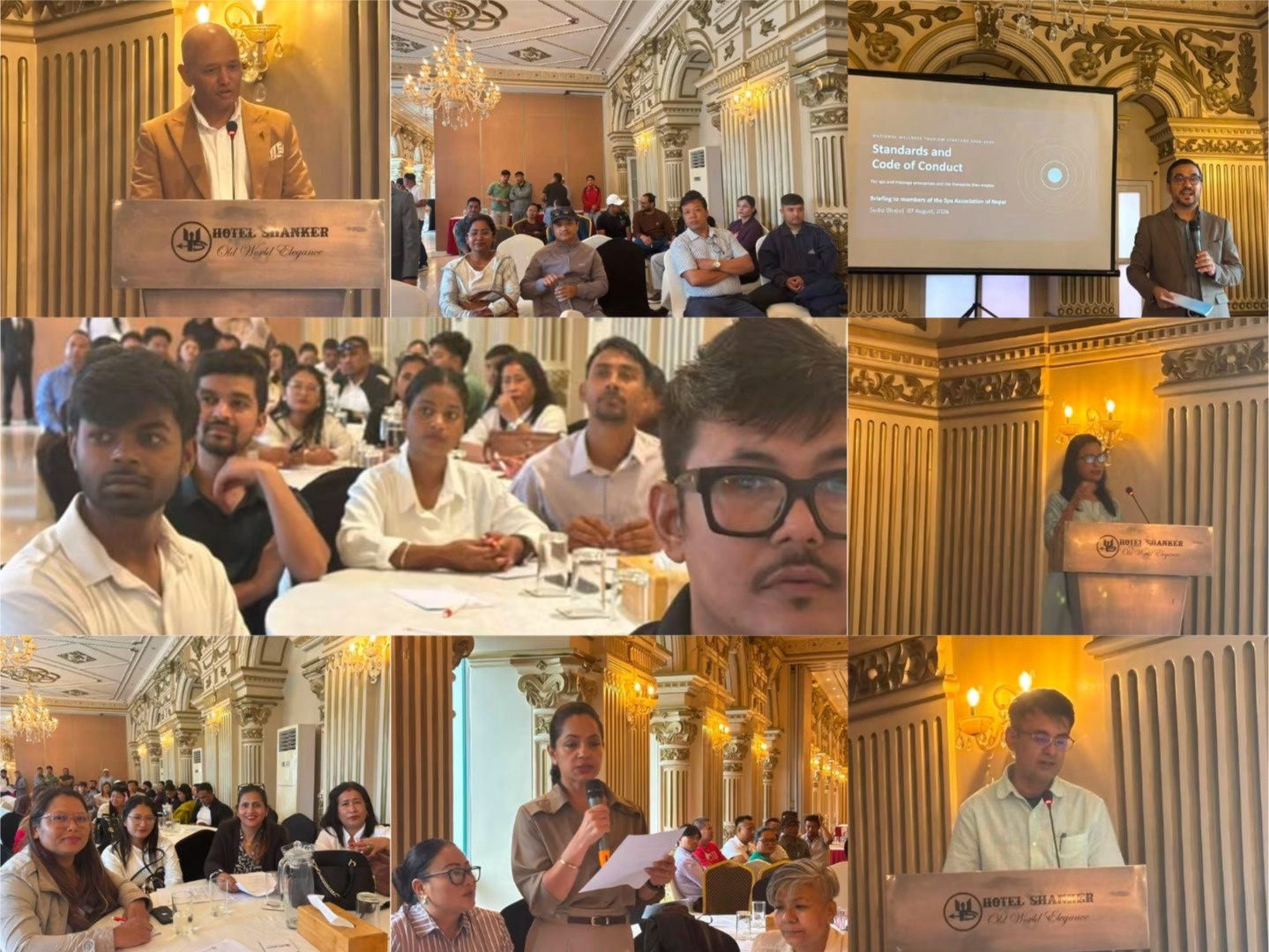
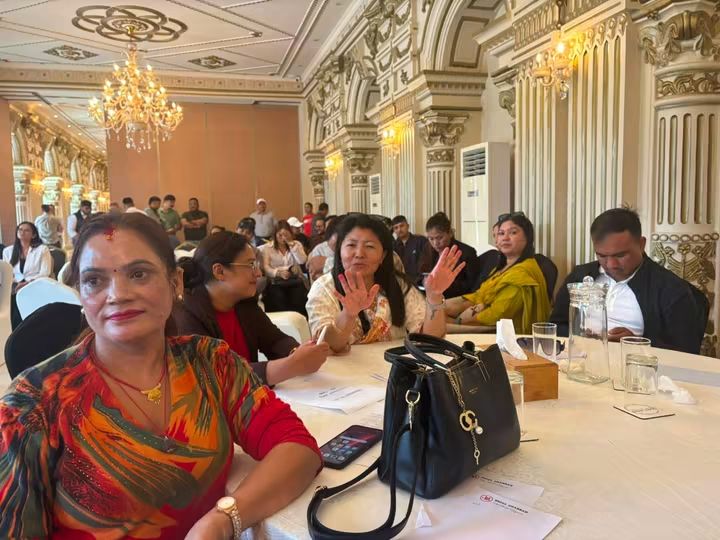
A capacity development and interaction program titled “Capacity Development of Spa Industry” was held at Hotel Shanker in Kathmandu with the objective of making Nepal’s spa and wellness industry more organized, professional, dignified and quality-oriented.
The program was organized in collaboration with the Spa Association Nepal and brought together spa entrepreneurs and stakeholders to discuss the current condition of the industry, its challenges and opportunities, business operating standards, code of conduct, human resource management and ethical business practices.
Focus on Industry Standards and Code of Conduct
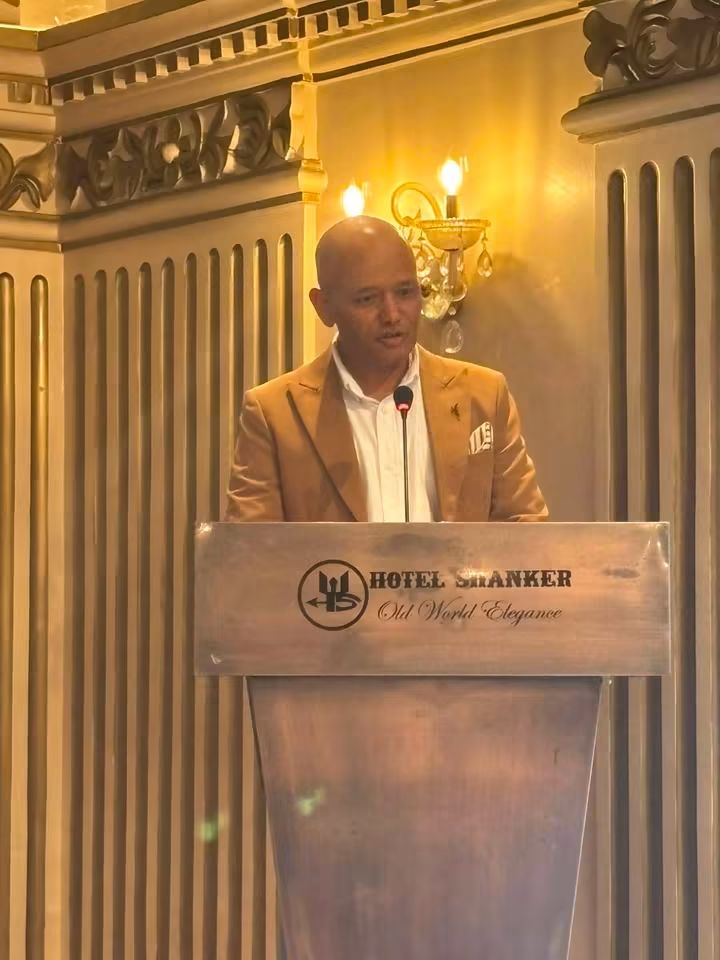
The program opened with remarks from Suresh Puri, President of the Spa Association Nepal.
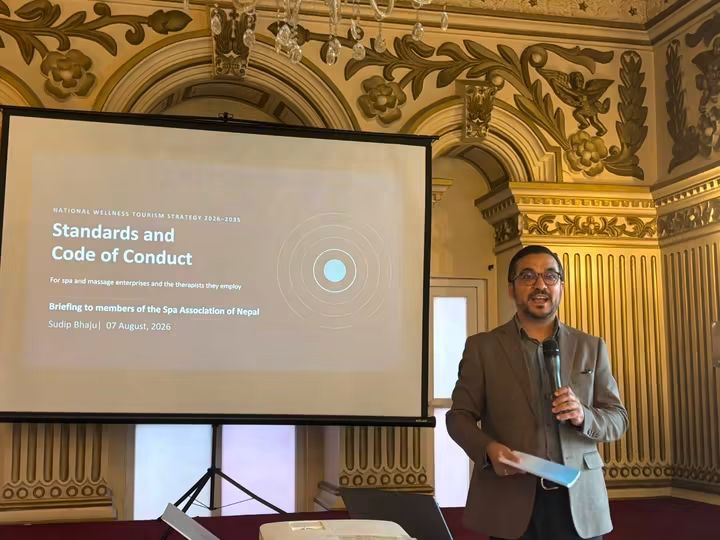
Tourism expert Sudip Bhaju delivered a presentation on the industry standards and Code of Conduct required for the development of Nepal’s spa sector. The presentation highlighted the importance of establishing clear professional standards to improve service quality and strengthen the credibility of the industry.
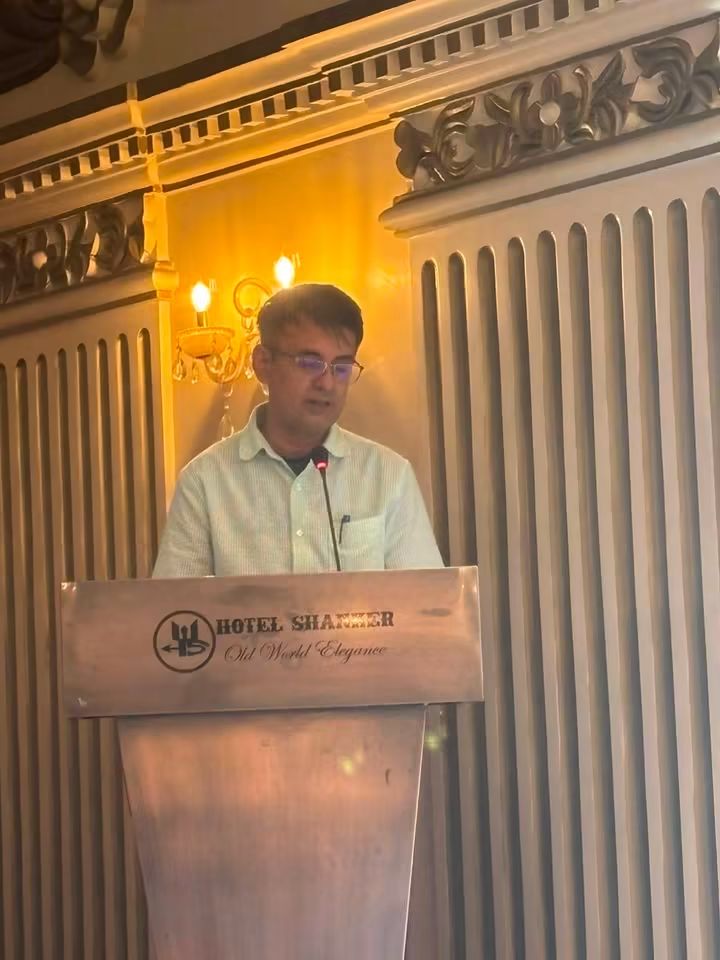
Bhuwan Phaiju, Chairman of Tranquility Spa and a member of the Spa Association Nepal, shared his experience regarding the industry’s progress, existing shortcomings and future opportunities.
The discussions emphasized the need for common standards that can guide spa businesses toward more consistent and professional service delivery.
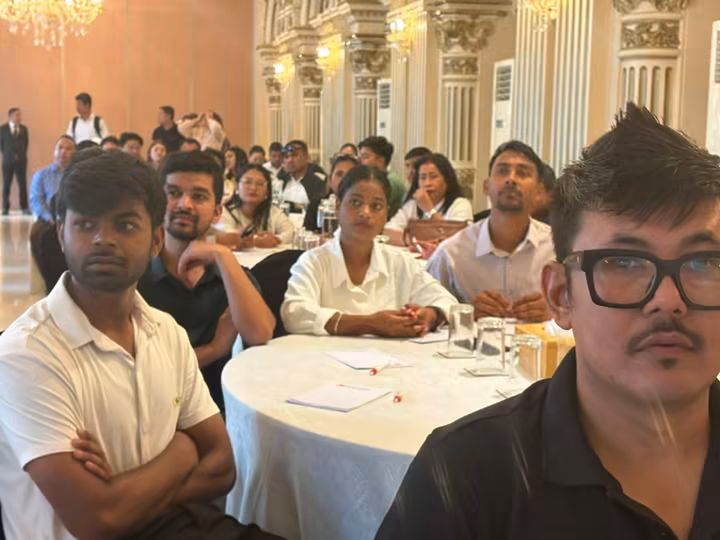
Around 100 Participants Take Part in Group Discussions
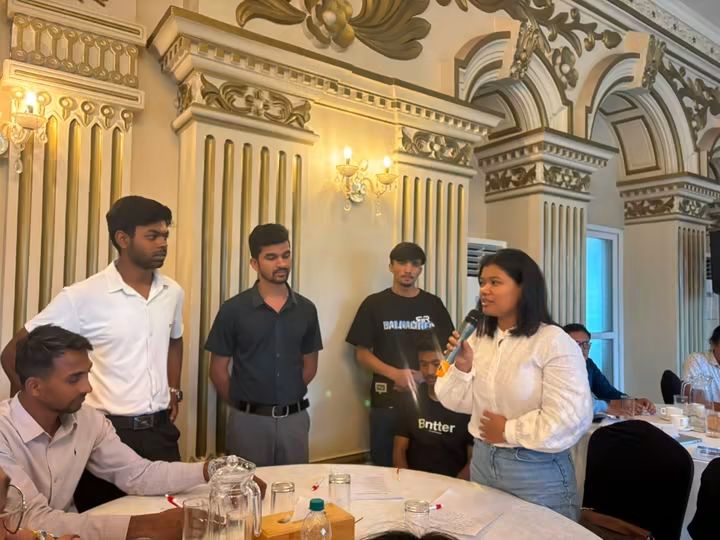
The program adopted an interactive approach, with participants divided into five groups for discussions on key areas including human resource management, industry standards and ethical business practices.
Around 100 participants took part in the group discussions and presented the conclusions and recommendations developed by their respective groups.
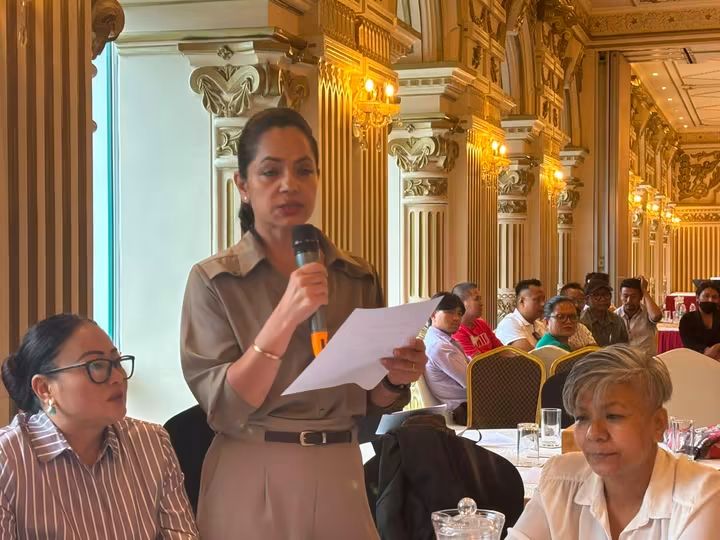
The interactive sessions provided spa entrepreneurs and industry representatives with an opportunity to share their experiences, identify challenges facing businesses and discuss practical measures for improving the sector.
Survey Highlights Current Challenges and Future Needs
A survey was also conducted among participants to assess the current condition and future requirements of Nepal’s spa and wellness industry.
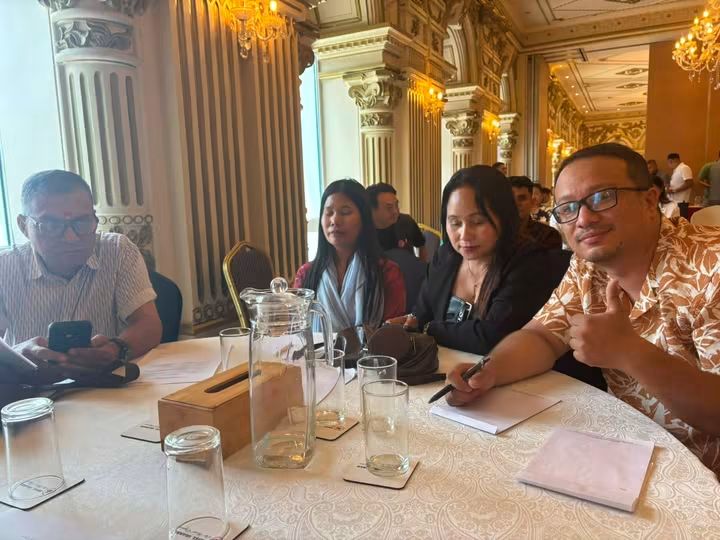
The summary and findings of the survey were presented by Ramdev Mahato, Secretary of the Spa Association Nepal.
The survey and group discussions were aimed at helping stakeholders better understand the industry’s existing situation and identify areas requiring greater attention, including workforce development, service standards, business practices and institutional coordination.
Government and Tourism Board Highlight Industry Potential
The program also featured special remarks from representatives of Nepal’s tourism authorities.
Suraj Ghimire, Joint Secretary at the Ministry of Culture, Tourism and Civil Aviation, and Shobita Shrestha Dhakal, Member of the Nepal Tourism Board, shared their views on the development, potential and future direction of Nepal’s spa and wellness industry.
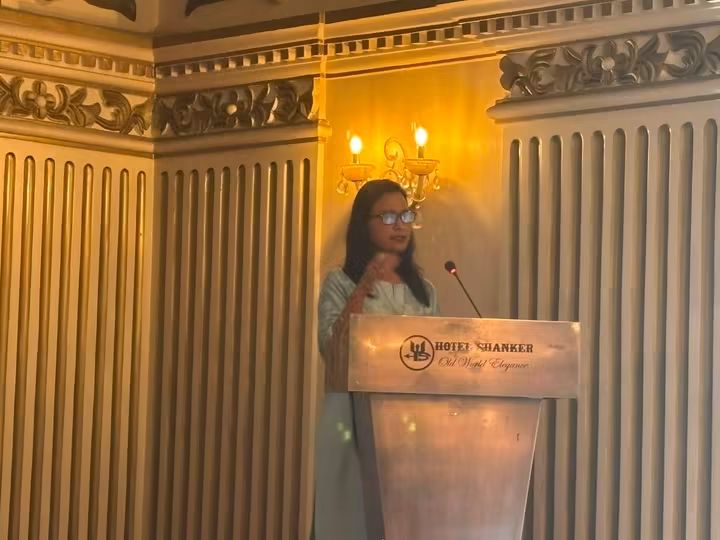
The speakers highlighted the growing importance of wellness tourism and the potential of the sector to contribute to Nepal’s broader tourism industry.
Quality Services and Skilled Workforce Identified as Priorities
Participants stressed that Nepal’s spa and wellness sector needs to strengthen several areas if it is to compete effectively in the international market.
Key priorities identified during the program included:
- Quality and standardized services
- Skilled and trained human resources
- Clear professional codes of conduct
- Safe and dignified working environments
- Common industry standards
- Ethical and professional business practices
- Greater coordination among industry stakeholders
Participants emphasized that maintaining these standards would not only improve services for customers but also help establish Nepal as a more credible and competitive wellness tourism destination.
Stakeholders Call for Continued Capacity Development
The program concluded with remarks from Ratish Basnyat, Team Leader at Nepal in Business (NiB).
Basnyat said capacity development and interaction programs of this nature could play an important role in strengthening the professionalism and organization of the spa and wellness sector.
Participating entrepreneurs also expressed positive views about the initiative, saying that the discussions and knowledge-sharing sessions had created greater awareness and motivation to operate businesses in a more professional and systematic manner.
Similar Programs Planned Across Nepal
Amrit Thokar, General Secretary of the Spa Association Nepal and coordinator of the program, said the association plans to organize similar capacity development and interaction programs in other major tourism and business destinations.
According to Thokar, the association is planning to extend such programs to places including Pokhara, Bhairahawa and Itahari, as well as other important tourism and commercial centers across the country.
The expansion is expected to provide spa entrepreneurs outside Kathmandu with opportunities to participate in professional development, share experiences and discuss industry-wide challenges.
Building a Globally Competitive Wellness Industry
Nepal’s spa industry has increasingly become an important component of the country’s broader tourism and wellness ecosystem. However, stakeholders say sustained growth will require stronger professional standards, better-trained workers, ethical business practices and greater coordination between businesses, employees, government agencies and other concerned institutions.
The program concluded with a shared emphasis on continued collaboration and coordination among entrepreneurs, workers, government bodies and other stakeholders to make Nepal’s spa and wellness industry safer, more professional, reliable and internationally competitive.
The initiative is expected to contribute to the broader development of Nepal’s wellness tourism sector by encouraging businesses to adopt higher standards while creating a more structured and credible environment for the industry’s future growth.