Nepal has begun a feasibility study for a new trekking route connecting Mudi, Gurja, Rughachaur, and Jaljala in Dhaulagiri Rural Municipality, Myagdi district, Nepal, a route that organisers hope will open up one of Nepal’s most pristine and culturally rich Himalayan corridors to trekkers and researchers alike.
A Minister’s Vision for His Home District
Mahabir Pun, Minister for Science, Technology and Innovation and a Member of Parliament of Nepal elected from Myagdi, announced that the study is being carried out with support from the Department of Tourism. The proposed trail will run from Mudi in Dhaulagiri Rural Municipality-4, through Gurja in Ward No. 1, and onward to Jaljala in Ward No. 2, tracing a path through some of the district’s most remote and scenic terrain.
Pun explained that the initiative is being executed in phases. “A five-member team that departed from Mudi toward Gurja on Wednesday will study the feasibility of the trekking trail from Gurja through Rughachaur, which falls within the Dhorpatan Hunting Reserve, all the way to Jaljala,” he said. “In the next phase, a separate study will examine a trail connecting Bagar through the Dhaulagiri Base Camp to Tukuche in Mustang.” This phased approach signals a broader ambition to eventually link multiple remote trekking corridors across the Dhaulagiri massif into a single, cohesive trail network.

The Team Behind the Survey in Myagdi, Nepal
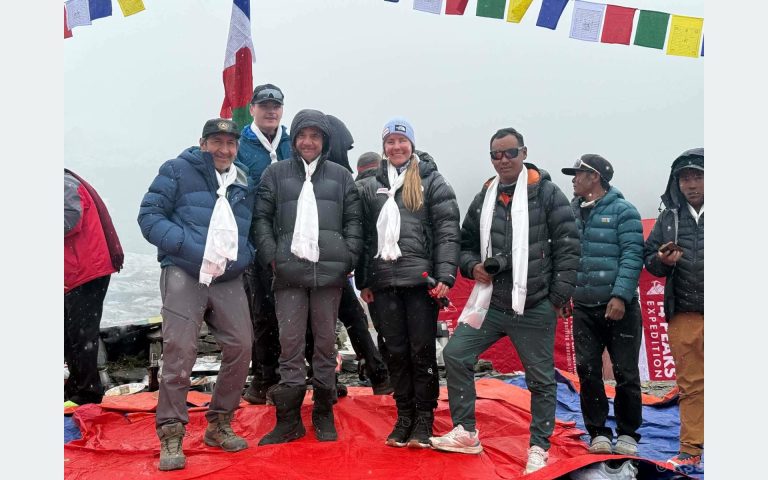
The survey team is being led by Chitra Tilija Pun, a tourism campaigner and head of Minister Pun’s contact office in Beni. The team includes ward member Mim Paija of Dhaulagiri Rural Municipality-2, along with Deu Bahadur Gharti, Harka Bahadur Gharti, and Tirtha Bahadur Paija, all residents of Mudi. Their on-the-ground presence is intended to ensure that the study reflects not only technical feasibility but also the lived knowledge and priorities of local communities along the route.
Coordinator Tilija stated that the first phase of the study will assess critical factors, including the availability of drinking water, communication infrastructure, accommodation facilities, and the current condition of the trail. The team will also identify local needs, evaluate the tourism potential and attractions along the route, and hold discussions with stakeholders. Only after this groundwork is completed will budget allocation and implementation plans be considered, contingent on the findings showing genuine potential.
Responding to a Changing Landscape
The push for a new trekking trail comes against the backdrop of significant infrastructural change in the region. As road networks have expanded across Myagdi and neighbouring districts, many older trekking trails have been displaced or rendered redundant, while overall journey times by road have shortened considerably. In response, residents and elected representatives have been actively demanding the identification of new trekking routes, along with the infrastructure and promotional support needed to develop them. The proposed trail linking the Dhaulagiri Himal with the Dhorpatan Hunting Reserve has been identified as holding strong potential from adventure, natural, and cultural perspectives alike.

A Region Rich in Culture and Natural Beauty
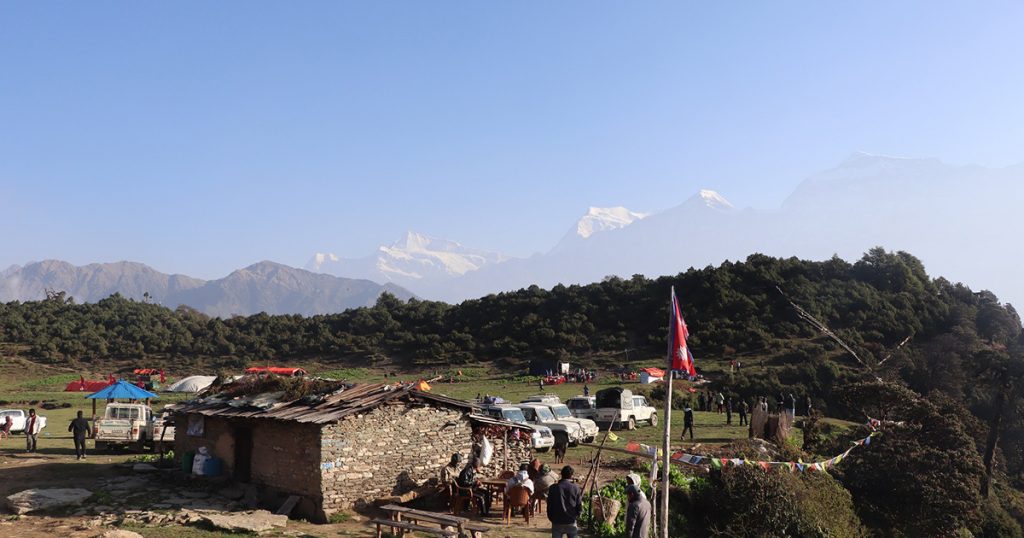
The trail traverses a landscape steeped in cultural diversity and natural splendour. Mudi, located at the foothills of the Dhaulagiri massif, is home to Magar and Dalit communities. Gurja, often described as a “hidden village”, is inhabited by the minority Chhantyal community alongside Dalit residents, offering trekkers a rare glimpse into some of Nepal’s lesser-known ethnic traditions.
Further along the route, Rughachaur and Jaljala, both situated within the Dhorpatan Hunting Reserve, are renowned for their breathtaking scenery. The reserve itself, Nepal’s only hunting reserve, is recognised for its unique high-altitude grasslands, diverse wildlife, and dramatic mountain backdrops, making the stretch from Gurja to Dhorpatan one of the most visually rewarding segments of the proposed trail.
Long-Term Potential in Untouched Terrain
Yam Prasad Gharti, Chairperson of Dhaulagiri Rural Municipality-4, expressed strong optimism about the trail’s long-term prospects. He noted that the Dhaulagiri-Dhorpatan trekking route, given its distance from existing settlements and the low likelihood of road construction reaching the area in the foreseeable future, holds significant long-term potential precisely because it will remain a trail-based, low-infrastructure destination, an increasingly rare and valuable proposition for trekkers seeking authentic, untouched Himalayan experiences.