The world-renowned Annapurna Conservation Area (ACA) has welcomed a total of 30,547 foreign tourists in the month of Ashwin (mid-September to mid-October), according to the Annapurna Conservation Area Project (ACAP). Of the total visitors, 10,019 tourists were from South Asian countries, while 20,528 were from other parts of the world, reflecting the continued global appeal of one of Nepal’s most iconic trekking destinations.
Slight Decline Compared to Last Year
Speaking to the media, Dr. Rabin Kadariya, Chief of ACAP, stated that the number of visitors this Ashwin was 185 fewer than in the same period last year. He attributed the slight decline to adverse weather conditions and the “G20 Summit” demonstration in India, which temporarily reduced the flow of Indian tourists to Nepal.
Despite the marginal drop, Dr. Kadariya emphasized that the figures still represent a strong tourist turnout following the monsoon season, marking the beginning of the region’s peak trekking months, Ashwin (October) and Kartik (November).

Annapurna Remains a Prime Trekking Destination
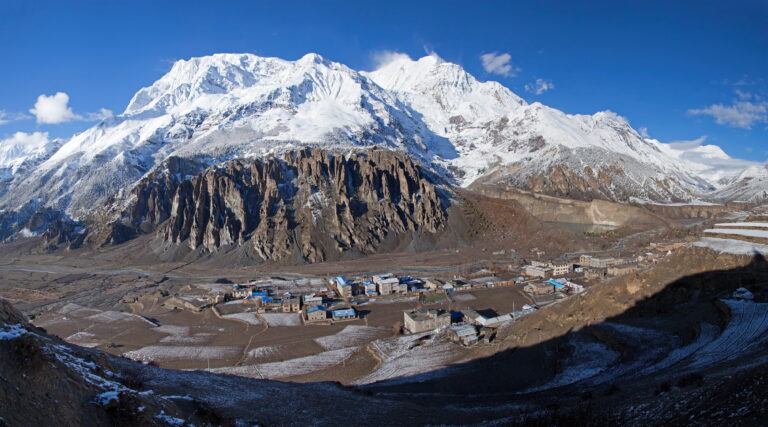
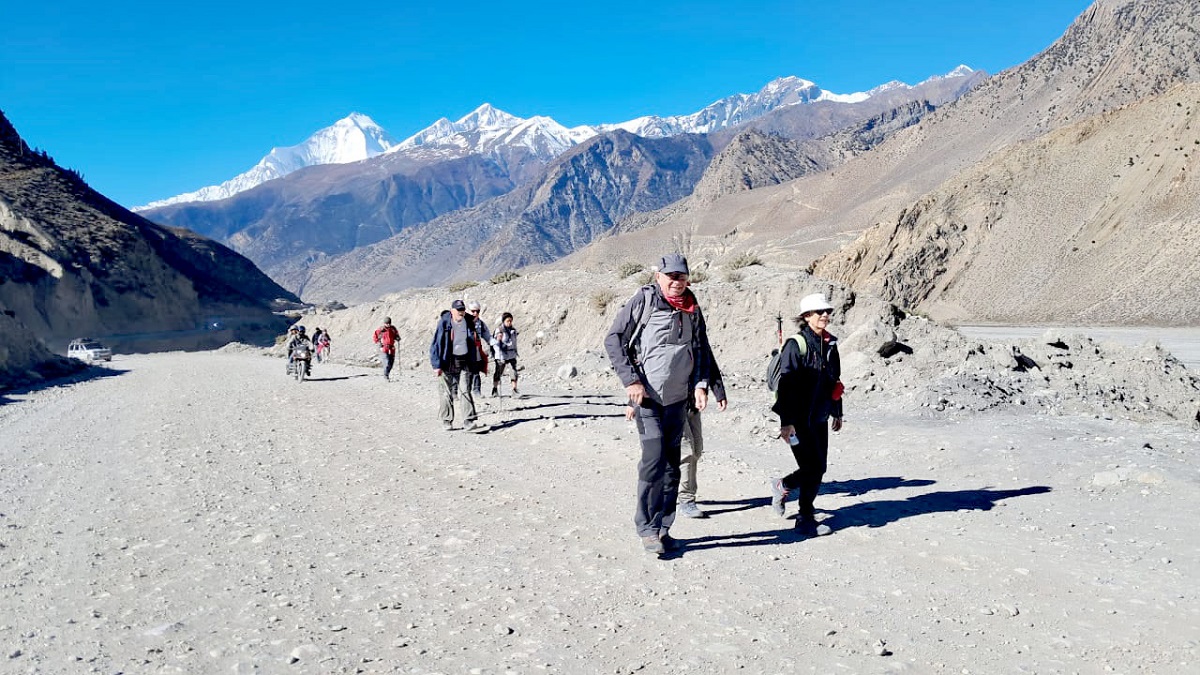
The Annapurna region continues to attract trekkers from across the globe, with its diverse landscapes, rich cultural experiences, and breathtaking Himalayan views. The Annapurna Circuit, Annapurna Base Camp, and Tilicho Lake treks remain particularly popular among foreign travelers seeking adventure and natural beauty.
Dr. Kadariya noted that in the fiscal year 2080/81, a total of 28,705 foreign tourists had entered the region, while 30,732 visited during Ashwin of the current fiscal year 2081/82, demonstrating a consistent recovery in Nepal’s post-pandemic tourism sector.
Expectations of Increased Arrivals in Kartik
With the Tihar festival and favorable autumn weather coinciding, the ACAP expects an even higher inflow of both domestic and international tourists in Kartik. The period is widely recognized as the most favorable trekking season in Nepal, offering clear skies and moderate temperatures.
Dr. Kadariya mentioned that following Tihar, there has been a noticeable rise in domestic tourist movement in areas like Mustang, Ghandruk, Mardi Himal, and Poon Hill, which are among the most popular trekking and cultural destinations in the Annapurna Circuit.
Over 33,000 Foreign Visitors Last Kartik
He further recalled that during Kartik of last year, the Annapurna region had recorded 33,310 foreign visitors, and a similar or higher number is expected this season. “Autumn remains the golden period for trekking in Nepal, and we are optimistic about strong arrivals this month,” he added.
Trekking and Road Tourism Trends
According to ACAP, the project office maintains official data for foreign trekkers who enter through the Annapurna Circuit trails, while a significant number of domestic visitors travel through road routes connecting Mustang, Manang, and Myagdi.
Dr. Kadariya explained that the overlap of major festivals and public holidays during this season also contributes to the surge in internal tourism. Many Nepalis take advantage of the holidays to explore the mountains and pilgrimage sites within the region. He also noted that most Indian tourists visiting Muktinath and other religious destinations prefer road transport, while visitors from other countries primarily choose trekking routes, seeking an authentic Himalayan experience.

Diverse Attractions Across Five Districts
Spread over 7,600 square kilometers, the Annapurna Conservation Area covers 87 wards across 15 local units in the districts of Kaski, Lamjung, Manang, Myagdi, and Mustang. The region is not only one of Nepal’s top trekking destinations but also recognized globally as a model of eco-tourism and sustainable mountain tourism.
From Tilicho Lake and Thorong-La Pass in Manang to the Upper Mustang desert landscapes and the green rhododendron forests of Ghorepani and Ghandruk, the region offers an unmatched variety of scenery and culture that continues to fascinate trekkers year after year.
Outlook for the Season
As Nepal moves deeper into the autumn trekking season, ACAP officials expect a steady rise in international arrivals, boosted by improved infrastructure, better access roads, and Nepal’s growing reputation as a safe and welcoming trekking destination. Dr. Kadariya reaffirmed the project’s commitment to sustainable tourism development, ensuring that conservation efforts and community benefits remain central to the Annapurna experience.