Foreign pilgrims visiting the sacred Hindu pilgrimage sites of Mansarovar and Kailash via Humla have increased significantly in recent months. Following the reopening of the Hilsa border point between Nepal and China on Baishakh 18, the number of international visitors passing through Humla has surged, creating a notable boost in religious tourism.
Rise in Pilgrims Through Humla
According to Deputy Superintendent of Police Shankar Pokharel of the Humla District Police Office, a total of 5,842 foreign pilgrims traveled from Nepalganj through Humla to Mansarovar and Kailash from Jestha to Bhadra. Among them, 5,517 were Indian pilgrims and 325 were from other countries. The increase has been attributed to the opening of the Hilsa border point, which has made the Humla route a shorter and more convenient path to the sacred sites compared to other routes.
Pokharel noted that the number of foreign visitors is expected to rise further in the coming months as word spreads and travel arrangements improve. The surge in pilgrims has highlighted the strategic importance of Humla as a key gateway for religious tourism between Nepal and China.
Increased Traffic at Simikot Airport
The rising number of pilgrims has also been reflected at Simikot Airport, which serves as the main entry point to Humla for both Indian and international visitors. According to Deependra Bhandari, an official at the airport, flights from Nepalganj to Simikot have increased, with daily operations ranging from five to ten flights, depending on weather conditions. Airlines such as Sita, Summit, and Tara Air have been actively operating these routes, ensuring connectivity for pilgrims heading to Hilsa and beyond.
Bhandari highlighted that the current influx of Indian pilgrims is the highest the region has seen since the COVID-19 pandemic, marking a significant revival in religious tourism. Helicopter services from Simikot to Hilsa have also expanded, providing critical support for pilgrims navigating the mountainous terrain.
Tourism and Local Economy Boost
The increased flow of visitors has had a tangible impact on the local economy. Hotels and lodges in Simikot and Hilsa have reported full occupancy over the past four months, according to Ram Bahadur Bhandari, President of the Humla Chamber of Commerce and Industry. Some pilgrims also opt to travel by vehicle from Hilsa to Mansarovar, providing additional income opportunities for local transport operators.
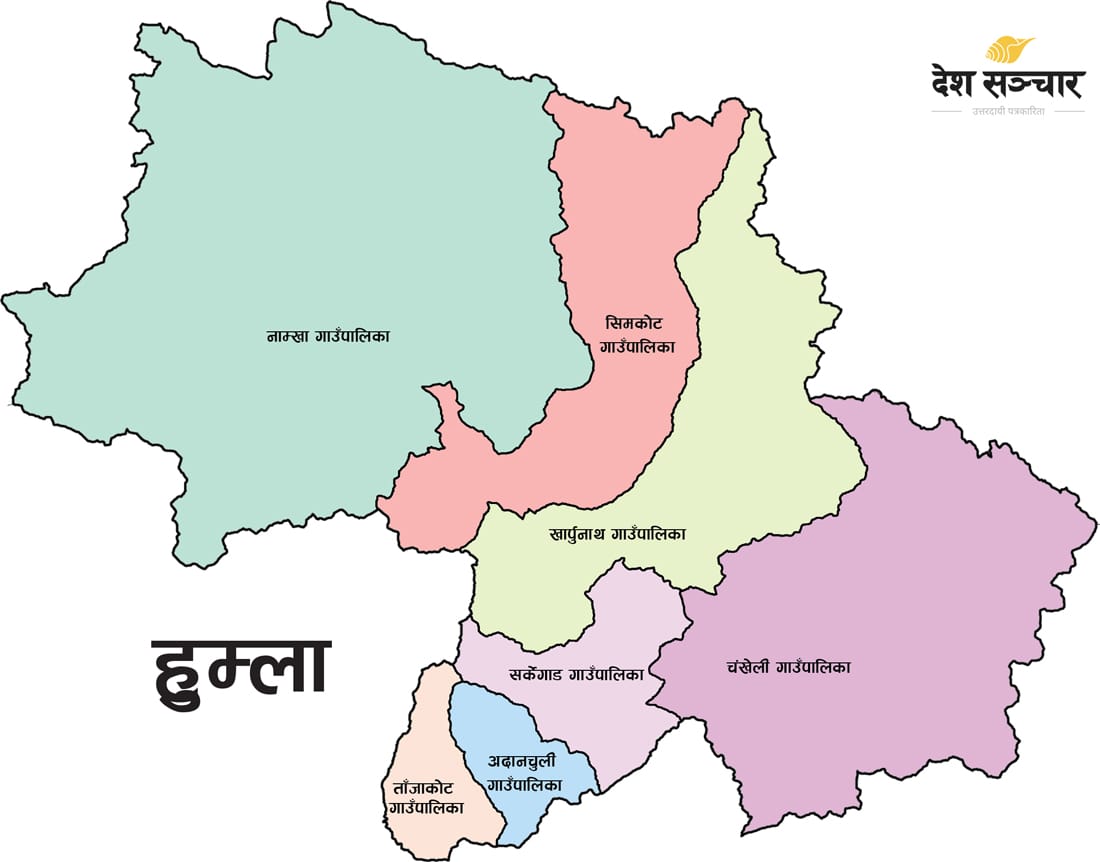
The influx of tourists has also allowed local governments to generate revenue through tourism fees. Both Simikot and Namkha Rural Municipalities levy fees on foreign pilgrims, with Indian visitors paying Rs 1,100 per person and other international tourists Rs 1,500 per person. This initiative has been welcomed as a means to support local infrastructure and services for the growing number of pilgrims.
Pilgrimage Begins in Jestha
Pilgrims began arriving in the region from Jestha onwards for the Mansarovar-Kailash journey. The opening of the Hilsa border has significantly shortened travel times and made it a preferred route for visitors from India and other countries. The local administration and service providers have been coordinating closely to ensure that the pilgrims’ needs are met efficiently and safely.
Tourist operators, airlines, and local service providers have been adapting to the high demand, ensuring that flights and helicopter services operate smoothly despite the challenging mountainous terrain. Officials also emphasize the importance of following safety guidelines and preparing for weather variations in the high-altitude regions.
Future Expectations
With the ongoing influx of pilgrims, officials expect the numbers to continue growing throughout the peak pilgrimage season. The improved infrastructure, including enhanced flight and helicopter services, is expected to make the Humla route a primary gateway for Mansarovar-Kailash tourism in the coming years.
Authorities have also highlighted the need for continued coordination between airport authorities, local governments, tourism operators, and law enforcement to maintain safety and manage the growing number of visitors. Proper planning and preparation are deemed essential to ensure that the region can sustain the influx without compromising local resources or the pilgrim experience.
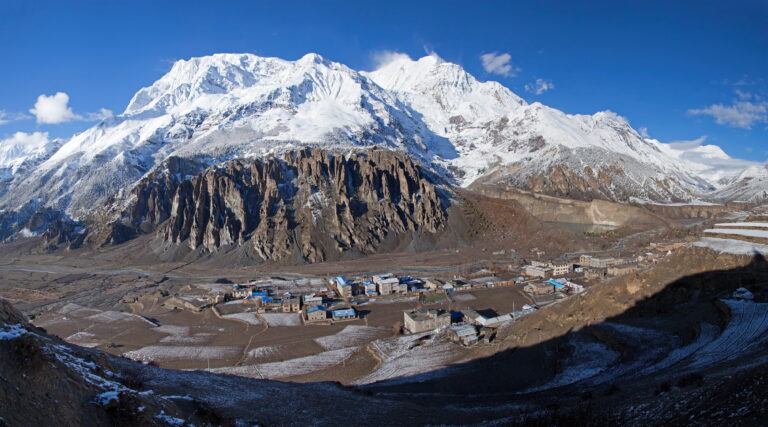
The reopening of the Hilsa border point has played a critical role in reviving religious tourism in Humla, bringing both economic benefits and increased international attention to the region. As Indian and other foreign pilgrims continue to flock to Mansarovar and Kailash, Humla has emerged as a key hub for spiritual tourism, combining accessibility with the scenic and sacred landscapes of northern Nepal.
The coordination between airlines, helicopter services, and local authorities is expected to further enhance the experience for visitors, ensuring that Humla remains a safe and welcoming gateway for pilgrims seeking the spiritual journey of a lifetime.