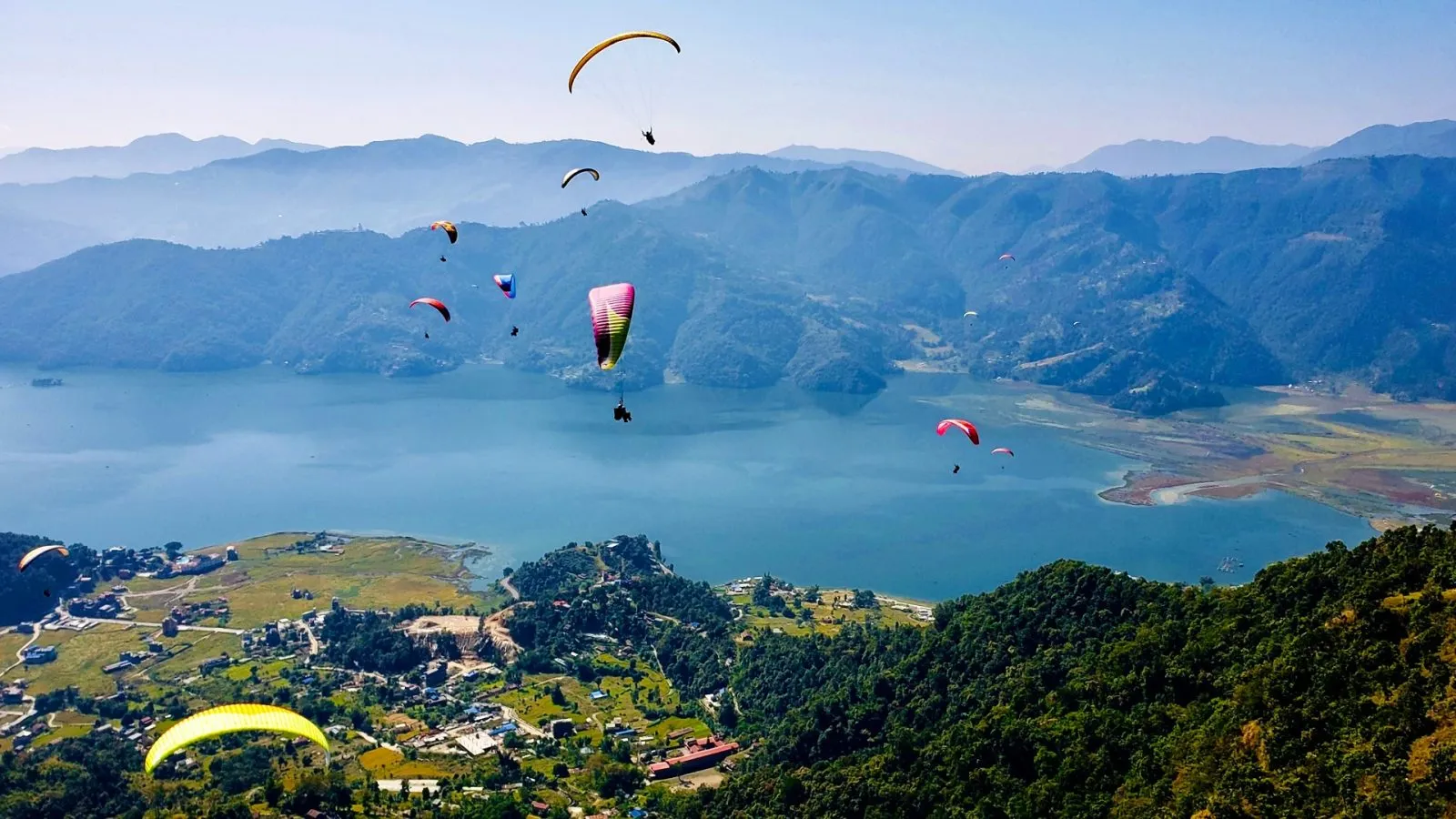
As part of its preparations for Visit Pokhara Year 2025, Pokhara Metropolitan City has been expanding its tourism-related activities and forging partnerships with other local municipalities. In line with this initiative, an interaction program was recently held in Bandipur, Tanahun, one of the municipalities that has also declared a tourism year. The program aimed to explore avenues for tourism collaboration, partnership, and sustainable development.
During the interaction, a team led by Gopi Bahadur Bhattarai, coordinator of the Visit Pokhara Year 2025 Executive Committee, engaged in discussions with Bandipur officials on the prospects of establishing a strong tourism partnership between the two destinations. Bhattarai highlighted that collaboration with local governments is a key part of the strategy to develop sustainable tourism across the region.
Expanding Dialogue Across Gandaki Province
Bhattarai further stated that the committee plans to extend discussions to all 85 local governments within Gandaki Province. He emphasized that tourism cannot be developed by a single destination in isolation; rather, mutual collaboration and joint efforts are essential for achieving sustainable growth in the sector. According to him, partnerships will help bring all tourists entering Nepal to Pokhara, while also ensuring that those visiting Pokhara are encouraged to explore nearby destinations such as Bandipur, Gorkha, and others.
He added that similar discussions had already been held with officials in Gorkha Municipality, which recently declared its own tourism year. The aim is to create a network of destinations that complement one another, thereby diversifying experiences for visitors and maximizing tourism benefits for local communities.
Local Leaders Welcome the Partnership
The initiative has received a warm response from Bandipur officials. Panchamaya Gurung, Vice-Chairperson of Bandipur Rural Municipality, expressed confidence that partnership with Pokhara would significantly contribute to the growth of Bandipur’s tourism industry. She stressed that collaboration is essential for both destinations, as working together would increase promotion and attract more tourists.
Similarly, Vaish Bahadur Gurung, coordinator of Visit Bandipur Year 2025, underscored that partnerships between destinations are crucial for sustainable tourism. He suggested that Pokhara, as the tourism capital, should take the lead in such initiatives, ensuring that collective efforts bring benefits to all stakeholders.
Institutional Support and Shared Benefits
Pokhara Metropolitan City spokesperson Motilal Timalsina explained that the campaign for tourism partnerships with local governments has been launched to maximize collective benefits from tourism. He revealed that with Pokhara officially declared the Tourism Capital of Nepal, significant investment from the Asian Development Bank (ADB) and other development partners is already in the pipeline to boost tourism infrastructure and services.
Damodar Bhakta Thapa, co-coordinator of the Visit Pokhara Year 2025 Executive Committee, also emphasized the importance of tourist exchange between destinations, noting that shared promotion and cooperation would enable both Pokhara and Bandipur to enjoy greater advantages.
National and Provincial Stakeholder Engagement
Journalists and tourism officials have also lent their support to the initiative. Dipti Adhikari, president of the Federation of Nepali Journalists (Tanahun Chapter), remarked that if municipalities declaring tourism years could work together on policy formulation and strategic planning, it would contribute significantly to the overall development of the tourism sector in Nepal.
From the provincial level, Maniraj Lamichhane, head of the Gandaki Province Office of the Nepal Tourism Board, pointed out that partnerships between destinations would result in mutual benefits, prolonging the stay of tourists and increasing their spending in local communities. He added that such collaboration is an effective way to ensure that visitors experience the full richness of the region’s nature, culture, and heritage.
Collaborative Efforts from Tourism Stakeholders
Manohar Kaderi, secretary of the Visit Pokhara Year 2025 Executive Committee and chief of the Economic Development Division of Pokhara Metropolitan City, mentioned that the declaration of Pokhara as the tourism capital has attracted the interest of development partners willing to invest in tourism projects.
Tourism entrepreneurs and representatives from various organizations also expressed optimism. Taranath Pahari, president of the Pokhara Tourism Council, and Ramkali Khadka, a female entrepreneur, both emphasized that cooperation between destinations would help prolong tourist stays. Similarly, Raju Baniya, a member of Visit Bandipur Year 2025, and Ghanshyam Khadka, president of the Bandipur Chamber of Commerce and Industry, echoed that such collaborations would enhance local economies by diversifying tourism opportunities.
Towards Sustainable Tourism Development
The interaction program in Bandipur marked another important step in the regional tourism collaboration strategy initiated by Pokhara Metropolitan City. By strengthening ties with neighboring destinations, Pokhara aims to position itself not only as the tourism capital of Nepal but also as the gateway to a network of unique, sustainable, and culturally rich experiences.
As the countdown to Visit Pokhara Year 2025 continues, these collaborative efforts underscore a vision of shared growth, sustainable development, and long-term tourism prosperity across Gandaki Province and beyond.