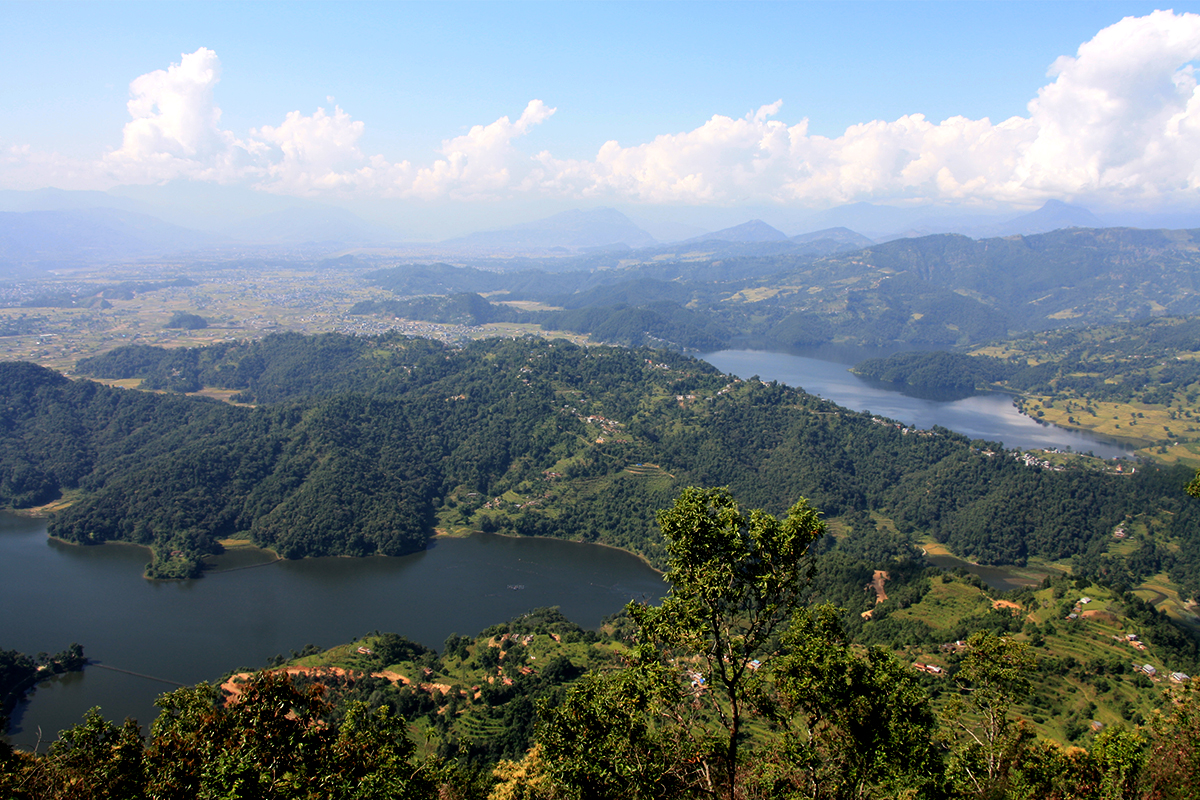
In a significant step toward environmental sustainability and community empowerment, Pokhara Metropolitan City has signed a Memorandum of Understanding (MoU) with Laxmi Group Foundation. The partnership focuses on the conservation of lakes, environmental protection, and the creation of employment opportunities within the metropolitan area.
A Joint Commitment for Sustainable Development
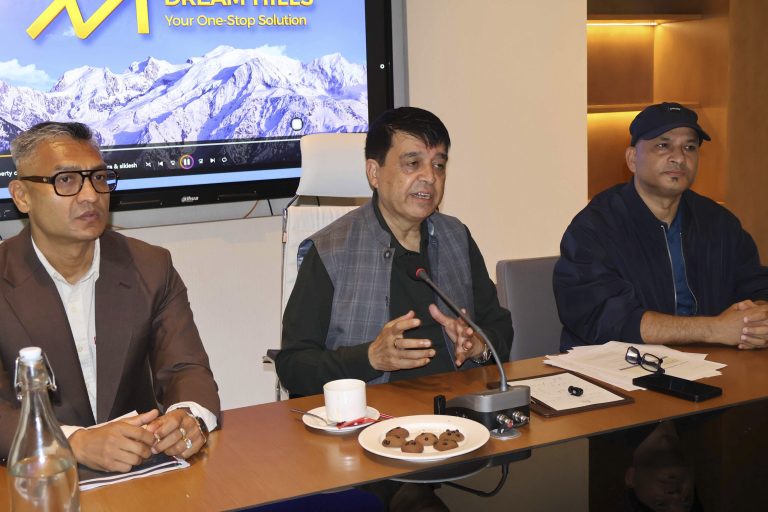
The agreement was formally signed today by Mayor Dhanraj Acharya of Pokhara Metropolitan City and Ganesh Bahadur Shrestha, Chairman of Laxmi Group, during an official ceremony attended by representatives from both parties.
Speaking at the event, Mayor Acharya emphasized that the initiative aims to contribute significantly to the sustainable conservation of lakes, maintaining ecological balance, and promoting the tourism sector while empowering the local communities. The project, according to him, will also include skill-based training and job creation to enhance the economic capacity of marginalized groups in Pokhara.
Core Objectives of the MoU
The agreement outlines several key areas of cooperation, which include:
- Cleaning and maintenance of lakes within the metropolitan area, including the removal and management of invasive aquatic plants such as water hyacinth (jal kumbhi).
- Utilizing water hyacinth for handicraft production and skill development, thus converting environmental waste into economic opportunities.
- Providing internships and professional training to students from the Gandaki Polytechnic Institute, with a focus on encouraging entrepreneurship and employment.
- Distributing induction cookstoves to economically disadvantaged families in the city to reduce dependence on traditional biomass fuels.
- Improving electric infrastructure in coordination with the Nepal Electricity Authority, which will further support sustainable urban development.
Chairman Ganesh Bahadur Shrestha of Laxmi Group shared that the foundation is committed to launching a coordinated and practical project that integrates environmental care with community welfare. He reiterated that this initiative will help reduce pollution in Pokhara’s lakes and enable sustainable use of natural resources for economic benefit.
Pilot Phase and Expansion Plans
Initially, the partnership will roll out as a six-month pilot project, during which the effectiveness of the initiative will be carefully assessed. Based on its outcomes, the project will gradually expand to cover other prominent lakes in the region, including Fewa Lake, one of Nepal’s most visited tourist attractions. This structured expansion strategy is designed to maximize impact while ensuring that the methods and practices developed in the pilot phase can be sustainably scaled up.
Empowering Local Communities and Preserving Ecology
One of the core pillars of the MoU is to uplift marginalized families by offering them tools, skills, and infrastructure needed for economic independence. The distribution of induction stoves serves both environmental and social objectives, reducing the use of firewood and charcoal (which contribute to deforestation and indoor air pollution) and promoting clean, energy-efficient cooking solutions.
The partnership also aims to mobilize the youth, particularly students in technical fields, by equipping them with practical experience and job-ready skills. This not only addresses the growing need for employment in Nepal’s urban centers but also aligns with the first five-year energy plan of Pokhara Metropolitan City, which emphasizes the adoption of renewable energy and sustainable urban living.
Tackling Pollution and Enhancing Pokhara’s Appeal
Pokhara is widely recognized as the tourism capital of Nepal, with thousands of tourists visiting its pristine lakes every year. However, increasing pollution and urban encroachment have raised concerns about the long-term health of these vital water bodies. The joint initiative between Pokhara Metropolitan City and Laxmi Group Foundation aims to reverse this environmental degradation, thereby enhancing the city’s overall appeal as a clean, green, and sustainable destination.
The project also reflects a growing realization among local governments and private sector leaders that collaborative efforts are essential to achieving real, lasting impact in areas such as climate resilience, biodiversity conservation, and inclusive economic growth.
A Model for Public-Private Collaboration
The Pokhara-Laxmi Group MoU sets an important precedent for public-private partnerships (PPPs) in Nepal. By leveraging the resources and expertise of the private sector and the policy leadership of local government, the agreement showcases how joint ventures can address pressing urban and environmental challenges while also uplifting vulnerable populations.
The initiative is expected to create a ripple effect in other municipalities as well, inspiring similar collaborations across the country. The focus on youth, energy efficiency, and environmental innovation aligns with both national development goals and global climate action agendas.
Looking Ahead
As the project moves forward, all eyes will be on how well the pilot initiative performs in terms of measurable environmental improvement, community engagement, and employment generation. Both parties have expressed strong commitment to transparency, community involvement, and evidence-based decision-making throughout the project’s lifecycle.
If successful, the partnership between Pokhara Metropolitan City and Laxmi Group Foundation could become a national model for integrated urban development, one that balances nature, economy, and people.