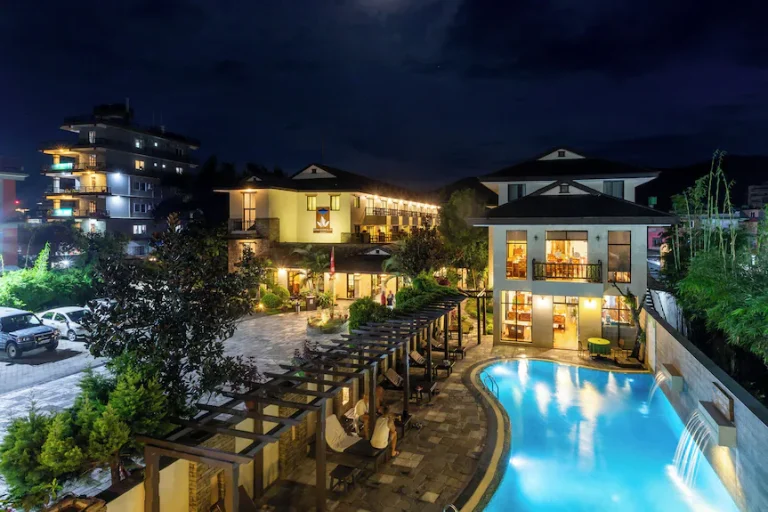
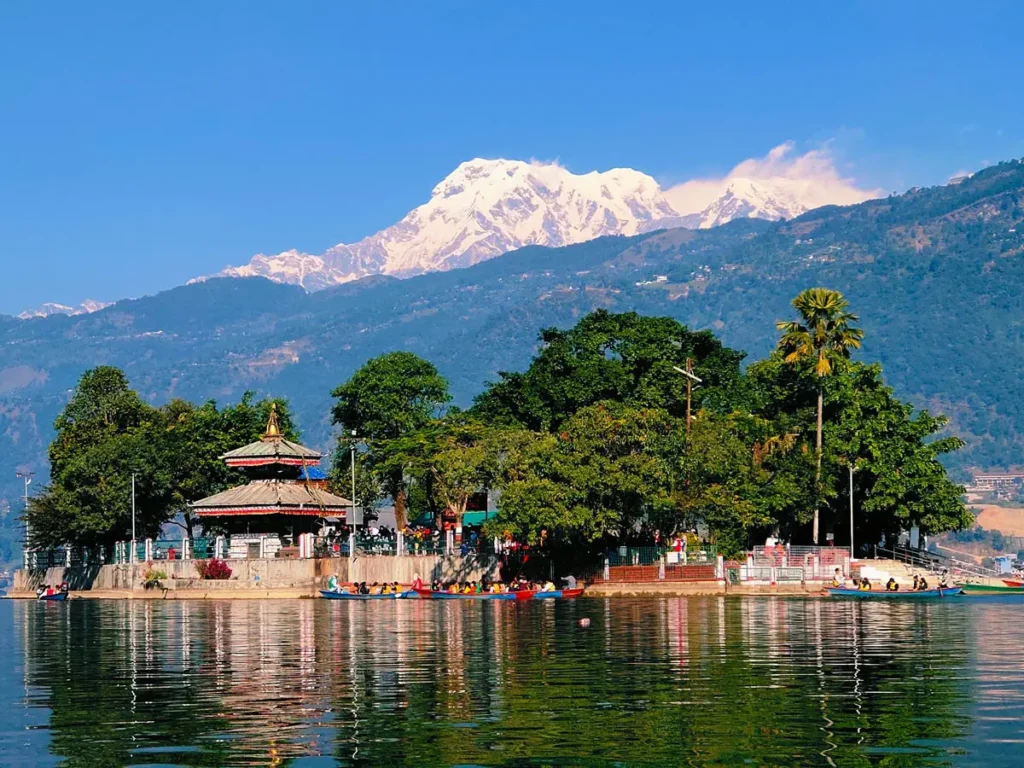
Pokhara, Nepal’s tourism capital, is experiencing an extraordinary surge in Indian tourist arrivals, with hotels across the city reporting full occupancy as visitor numbers continue to climb. The streets of Lakeside and the area around the famed Barahi Temple have seen a marked increase in activity, with Indian tourists now constituting a dominant presence among the crowds moving through the city’s most popular tourist zones.
Religious and Tourist Sites Across Gandaki See Strong Indian Presence mostly in Pokhara
Laxman Subedi, President of the Hotel Association Pokhara, Nepal, confirmed that visitor numbers from India have been notably encouraging across Gandaki Province’s major religious and tourist destinations, particularly the Taal Barahi Temple in Fewa Lake, Bindhyabasini Temple, Muktinath, and various trekking routes throughout the region. The breadth of destinations attracting Indian visitors suggests the current surge extends well beyond a single attraction, reflecting genuine and widespread interest in Nepal’s religious and natural heritage among Indian travellers.

Escaping the Heat: Why Indians Are Choosing Nepal
Subedi explained that rising temperatures in India, combined with the desire to make productive use of holiday time, have led many Indian citizens to choose Nepal as an attractive and easily accessible destination. He emphasised that welcoming and honouring these visitors is a responsibility that Pokhara’s tourism entrepreneurs take seriously. As visitor footfall has increased, related tourism activities such as boating, trekking, and other recreational pursuits have similarly seen a corresponding rise in demand, according to Subedi.
Thousands of Daily Boat Rides on Fewa Lake
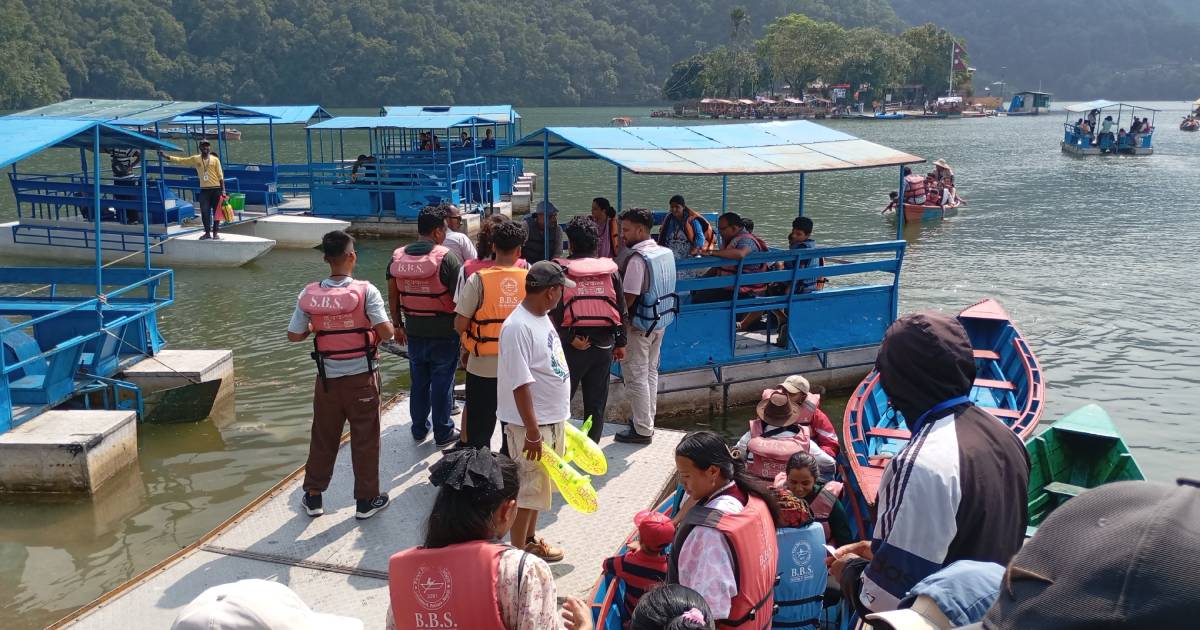
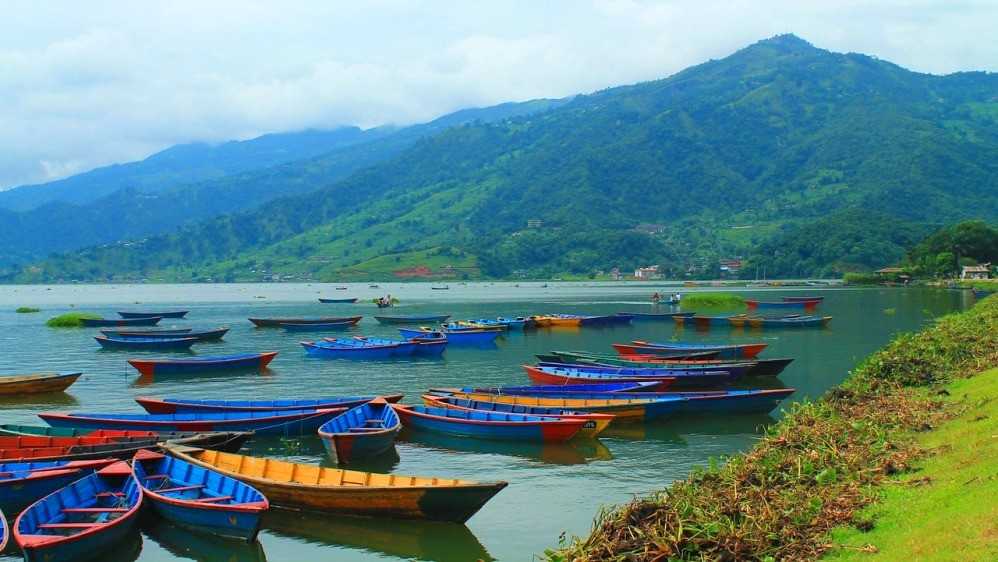
Dhan Bahadur Bik, Joint Secretary of the Fewa Boat Entrepreneurs Organisation, reported that between four and five thousand Indian tourists take boat rides on Fewa Lake on a daily basis. He noted that over the past month and a half, Indian tourists have shown a strong and consistent presence, with many particularly keen to visit the Barahi Temple situated in the middle of the lake.
“The earlier struggle of waiting by the lake all day with boats and going home empty-handed in the evening has disappeared with the rise in Indian tourists,” Bik said. Currently, as many as 140 boats operate daily from the Barahi Ghat alone, a figure that underscores the sheer scale of visitor demand currently being absorbed by the local boating industry.
One and a Half Lakh Visitors in Just Six Weeks
Deepak Sapkota, Treasurer of TAAN Gandaki, revealed that approximately 150,000 Indian tourists have visited Pokhara in just the past month and a half alone. According to Sapkota, these visitors typically engage in a range of activities including visits to religious sites, short-distance trekking, paragliding, bungee jumping, boating, and rafting. He noted that Indian tourists are currently filling accommodation across the full spectrum of the hospitality sector, from five-star hotels down to smaller hotels and dharamshalas (pilgrim guesthouses).
Spending Patterns: Bargaining Over Food, Not Rooms
Hotel entrepreneur Parvati Pandey offered an interesting observation about Indian tourists’ spending behaviour, noting that they tend to bargain more over food costs than over room rates. She explained that since hotel rooms tend to be expensive in India itself, Indian visitors generally do not negotiate heavily over accommodation pricing in Nepal. Pandey further noted that Pokhara’s hotel industry is currently being substantially sustained by Indian tourists, adding that if Nepal’s tourism and religious destinations were promoted more aggressively within India, the country could expect an even greater influx of Indian visitors.
A Surprising Boom During the “Off-Season”
Although tourism entrepreneurs typically regard this period as the “off-season,” the significant rise in visitor numbers has left many in the industry considerably more optimistic than usual. Tourism operators report that the wave of visitor arrivals, which began around the Nepali New Year, has continued steadily through to the end of the month of Jestha, defying the conventional seasonal expectations that usually accompany this time of year.

Hotels Running at 90 Percent Occupancy
According to figures held by tourism entrepreneurs, approximately 150,000 Indian tourists entered Pokhara within just a single month during this period of heightened activity. Hotel operators report that occupancy rates across the city have reached approximately 90 percent. Visitors are particularly drawn to the Taal Barahi Temple, the Shiva Temple at Pugdi, Kedareshwar, Bindhyabasini, Muktinath, and Manakamana Temple.
As one tourism stakeholder put it, caring for guests visiting Nepal is a duty shared by all. It was also noted that Nepalis visiting religious sites and monasteries in India often similarly choose to cook and eat outside rather than dine within hotels — drawing a parallel in cross-border travel and dining habits between the two neighbouring countries. Pokhara’s hotel industry currently has the capacity to accommodate up to 10,000 tourists in a single day.