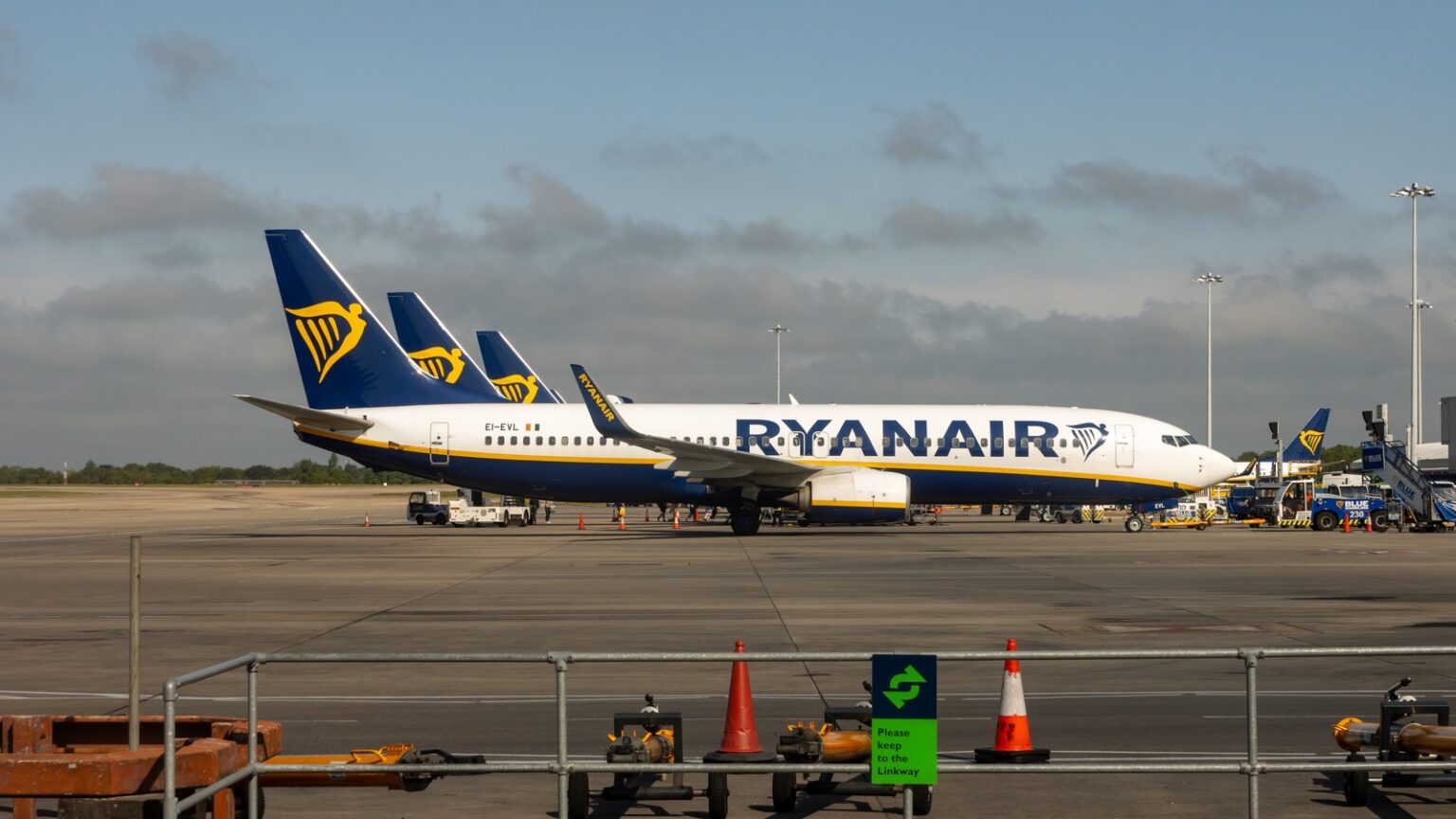
Ryanair has lowered its fiscal 2027 passenger target from 216 million to 214 million, citing higher fuel costs and a decision to reduce capacity during the winter travel season. The adjustment reflects growing pressure from elevated operating expenses as the airline prepares for the financial year ending in March 2027, with the capacity reduction concentrated between November and March. Ryanair said winter traffic is now expected to remain broadly flat compared with the previous year, signaling a more cautious approach to capacity growth rather than a broad retreat from its network.
Higher Fuel Costs Push Airline Toward A More Cautious Winter Plan
The reduction in Ryanair’s passenger target comes as higher fuel prices increase the cost of operating flights, prompting the airline to scale back part of its planned winter capacity. Rather than maintaining the previously projected level of passenger growth, Ryanair now expects to carry approximately 214 million passengers during fiscal 2027, two million fewer than its earlier forecast. The change highlights how fuel costs can directly influence airline capacity decisions, particularly during periods when carriers are planning schedules several months in advance.

The adjustment is primarily focused on the November-to-March winter period, when Ryanair expects passenger traffic to remain broadly unchanged from the previous year. That means the revised target should be understood as a capacity and growth adjustment rather than evidence that the airline is withdrawing from large parts of its network. Ryanair continues to operate its broader European network, but the latest planning decision indicates that the airline is prioritizing cost control and more measured capacity growth while fuel expenses remain elevated.
Two Million Fewer Passengers Does Not Mean A Broad Route Cancellation
Ryanair’s revised target does not represent a list of two million passengers being removed from specific flights, nor does it mean that routes across the network have been universally canceled.
The announcement provides an overall passenger forecast and describes a smaller winter schedule, but it does not identify every route or flight frequency that could be reduced as part of the adjustment. Individual travelers therefore should not assume that an existing reservation has been affected simply because the airline has lowered its overall passenger target.
Instead, passengers planning to travel with Ryanair during the winter period will need to check their specific flight, date and departure airport for any changes. The distinction is important because an airline can reduce its overall capacity by adjusting frequencies, aircraft allocation or seasonal schedules without canceling every service on a particular route. The latest announcement therefore signals a change in Ryanair’s overall capacity planning rather than an immediate network-wide disruption for booked passengers.

Winter Demand And Costs Shape Ryanair’s 2027 Outlook
The revised forecast provides an early indication of how fuel prices and winter demand are shaping Ryanair’s expectations for fiscal 2027. With traffic growth now expected to be broadly flat during the November-to-March period, the airline appears to be taking a more disciplined approach to capacity at a time when higher operating costs are putting pressure on the economics of additional flights. The decision also underscores the importance of fuel expenses to low-cost airlines, where maintaining competitive fares depends heavily on keeping operating costs under control.
For travelers, the immediate impact will depend on how Ryanair implements the smaller winter schedule across individual markets. The airline has not, in the announcement cited here, provided a complete breakdown of all routes or frequencies affected. The key development is therefore the reduction of the fiscal 2027 passenger target to 214 million and the smaller winter capacity plan, rather than a broad cancellation of Ryanair services. Further schedule adjustments would determine which specific markets and flights ultimately experience changes.