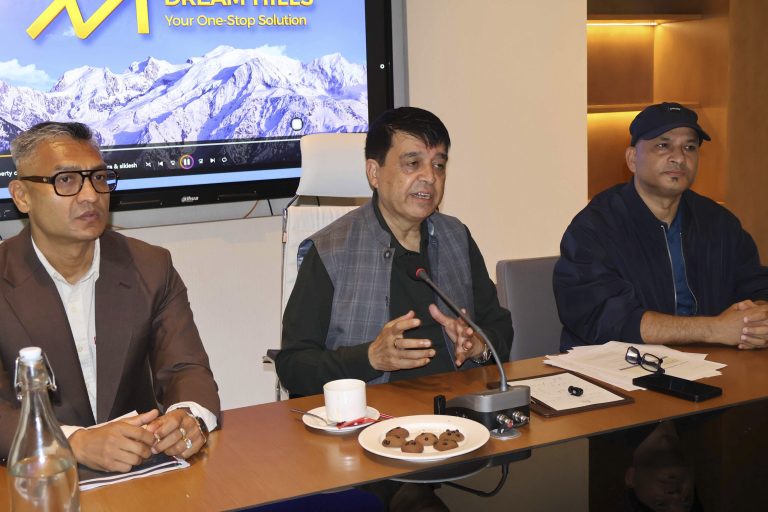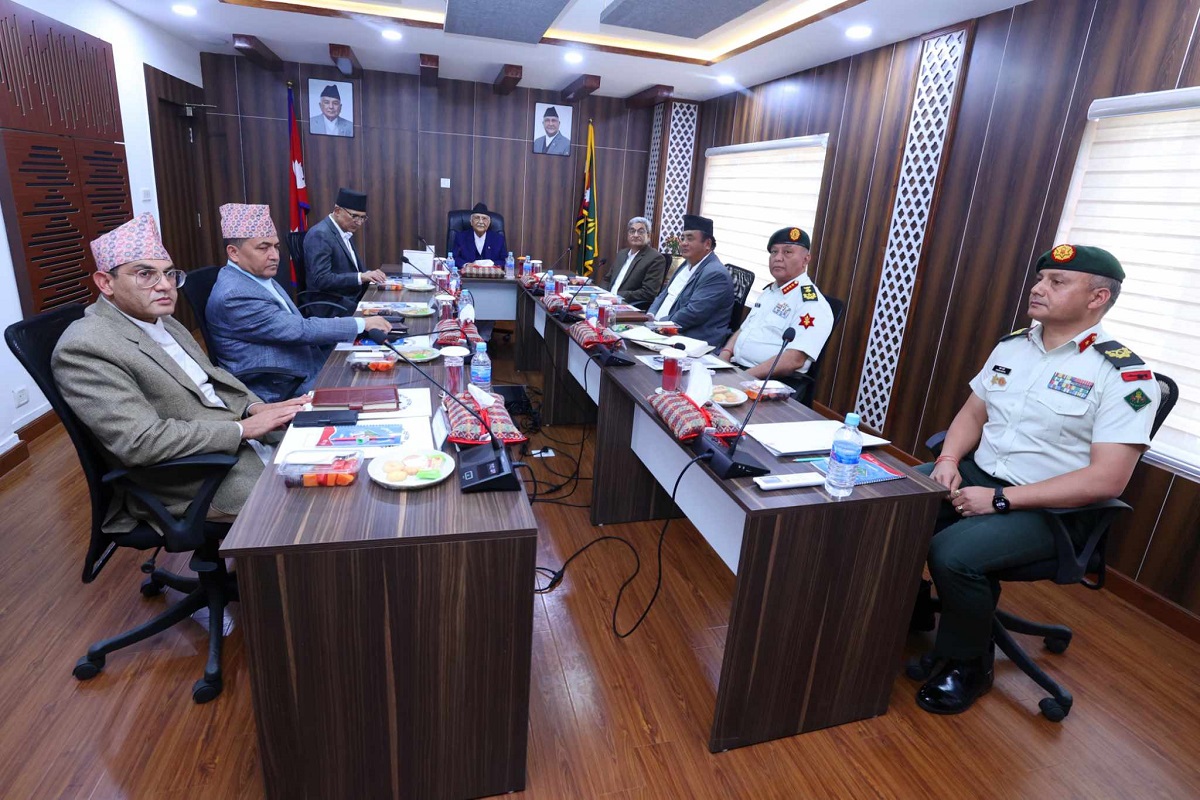
Amid growing tensions between India and Pakistan, the Central Security Committee meets to discuss national security measures. The Central Security Committee met today at the Ministry of Home Affairs under the direction of Home Minister Ramesh Lekhak to discuss urgent national security issues, particularly given the growing hostilities between India and Pakistan.
The meeting’s main topic, according to the Ministry of Home Affairs, was the evolving relationship between India and Pakistan and how it might affect Nepal. The conflict’s ramifications, potential difficulties, and the security of Nepali nationals living in both neighboring nations were the main topics of discussion.
More Security and Surveillance Measures, The decision to increase surveillance along sensitive areas, such as the border between India and Nepal and major airports, was one of the meeting’s main outcomes. The objective is to keep the peace and order during the ongoing international tensions and to stop any undesirable activities within the nation.
To maintain national security forces would be put on high alert, according to Ministry of Home Affairs spokesperson Ram Chandra Tiwari. To avoid any unfortunate events, we are bolstering security measures in high-risk areas. He clarified, “This includes stricter control at airports, border checkpoints, and other key locations.”
Protecting Nepali Nationals Abroad. Given the current high levels of tension in both India and Pakistan, the meeting also covered the safety of Nepali nationals living in those countries. To guarantee the safety of Nepali citizens, the committee decided to keep a close eye on the situation after acknowledging the possible risks.
Coordination and Preparedness for Internal Safety, The need for improved internal security measures, such as better coordination between different safety agencies and improved information-sharing protocols, was also discussed at the meeting. The committee underlined how crucial it is to make sure Nepal’s national safety framework is resilient to outside threats.
According to Tiwari, “the talks also covered ways to improve readiness for internal safety challenges, such as improved coordination, enhanced information exchange, and more effective response systems.” “We are dedicated to confronting any obstacles head-on to ensure the security of the nation and its citizens.”
The Home Ministry underlined that these proactive measures are intended to protect Nepal’s sovereignty, uphold peace, and guarantee the security and safety of its people, particularly given the ongoing geopolitical tensions in South Asia.
Enhancing the Safety Framework in Nepal. In conclusion, the meeting emphasized the significance of keeping a high degree of alertness and preparedness, with a particular emphasis on protecting Nepal’s airports, borders, and other sensitive locations. The government wants to protect all Nepali citizens both domestically and internationally by strengthening safety measures and halting the spread of any unfavorable consequences from the current India-Pakistan conflict.