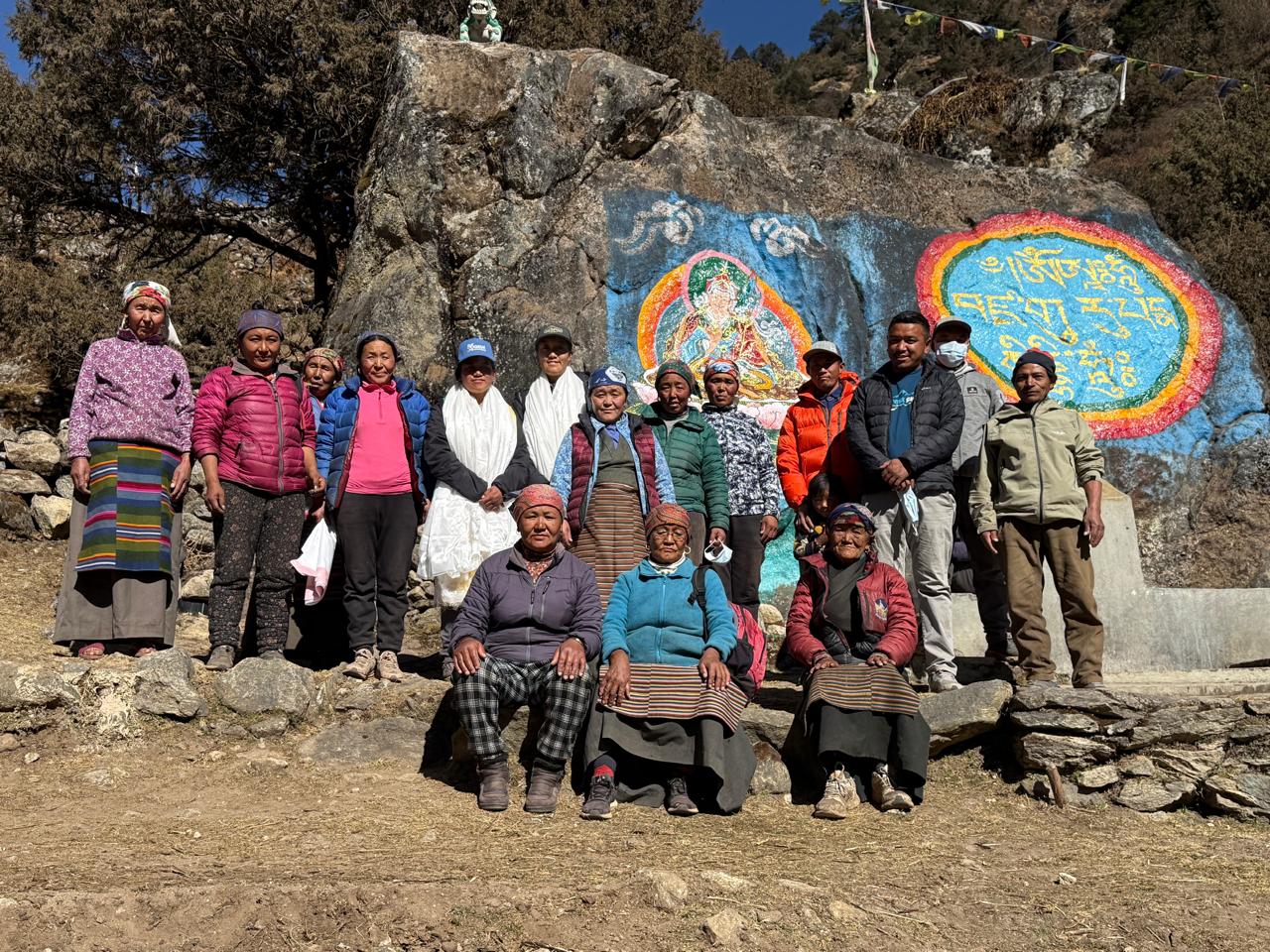
The Sagarmatha Pollution Control Committee (SPCC) has completed the installation of three environmental waste management stations in the Khumbu region, marking a significant step toward sustainable waste practices in the Himalayas.
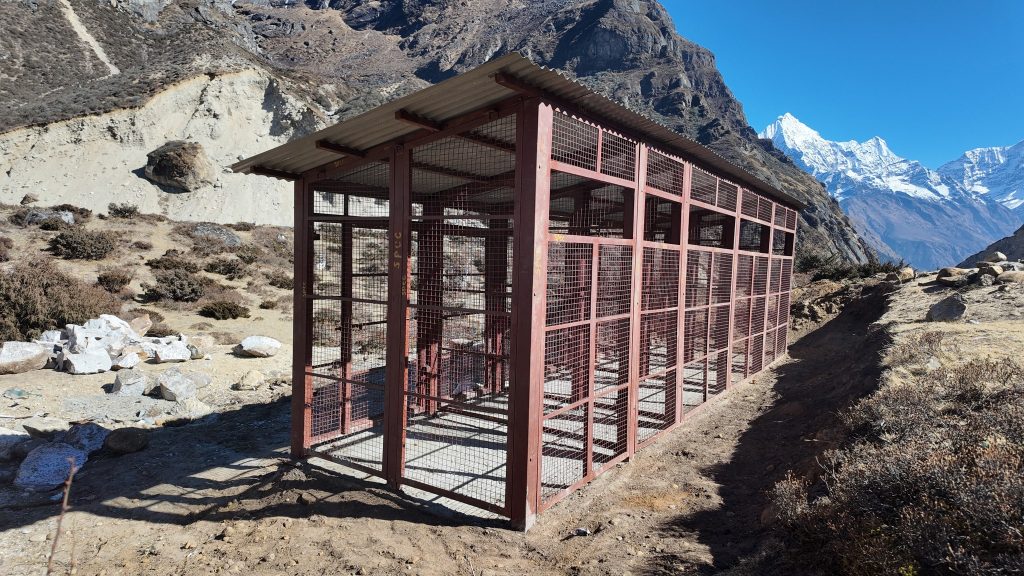
New Waste Management System Replaces Open Dumping
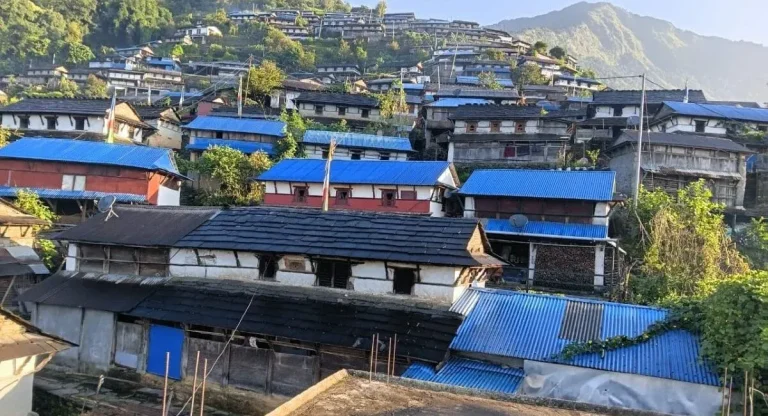
The newly established environmental stations are located in Samsing, Thamo, and Thameteng. These facilities have been developed to replace traditional open dumping pits with a structured and community-led system for waste segregation and collection. The initiative aims to address long-standing environmental concerns in high-altitude settlements, where improper waste disposal has posed risks to both ecosystems and local communities.

Community-Led Approach with Women’s Groups
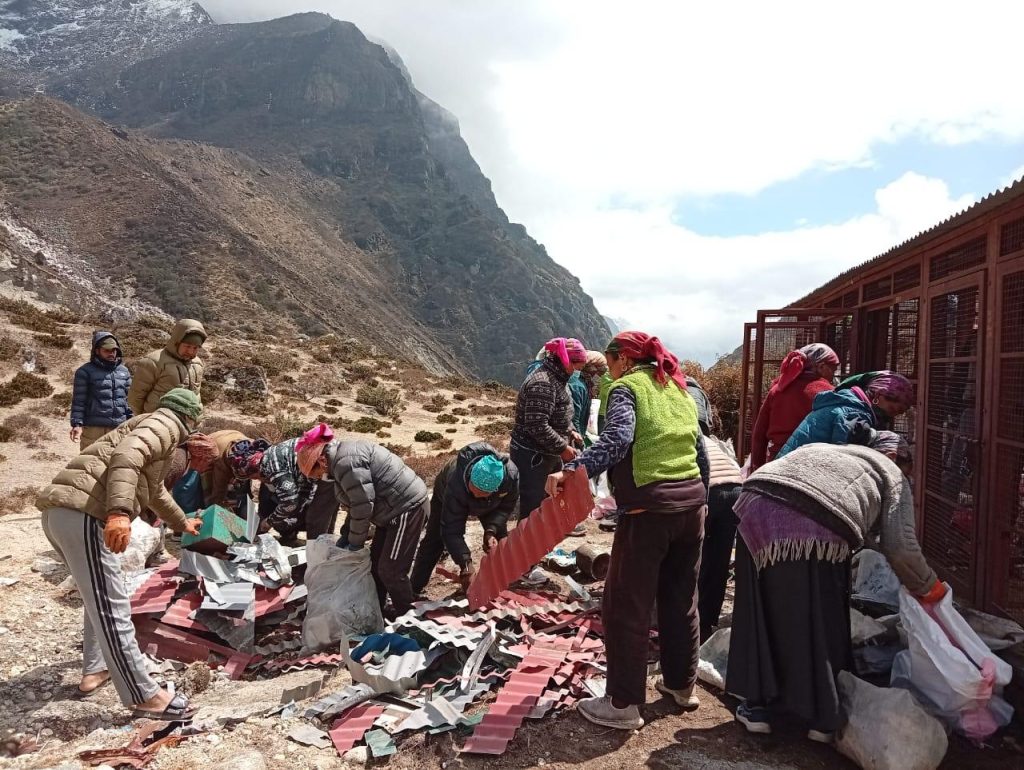
The management of the stations has been entrusted to local women’s groups, including the Thamo Women’s Group, Thameteng Women’s Group, and Phurte Women’s Group. These groups are playing a central role in operating and maintaining the facilities, ensuring that the system remains functional and effective at the grassroots level. SPCC has emphasized that community participation is key to the long-term success of such initiatives, particularly in remote mountain regions where local ownership is essential.
Support from Tenzing Norgay Sherpa Foundation
The project was implemented with the generous support of the Tenzing Norgay Sherpa Foundation. The foundation’s contribution has been instrumental in establishing the infrastructure required for proper waste management in the region. SPCC officials expressed gratitude to the foundation and community partners for their collaboration in making the project possible.

Focus on Circular Economy and Sustainability
SPCC Chief Executive Officer Tshering Sherpa stated that the organization will continue to provide both financial and technical support to ensure the sustainability of the environmental stations. He highlighted that the project aims to introduce a closed-loop circular economy model in the Khumbu region. Under this system, recyclable waste will be collected, segregated, and transported to Kathmandu for proper processing, rather than being burned or buried locally. “This initiative demonstrates what can be achieved when communities, foundations, and conservation organizations work together to protect the Himalayas,” Sherpa said.
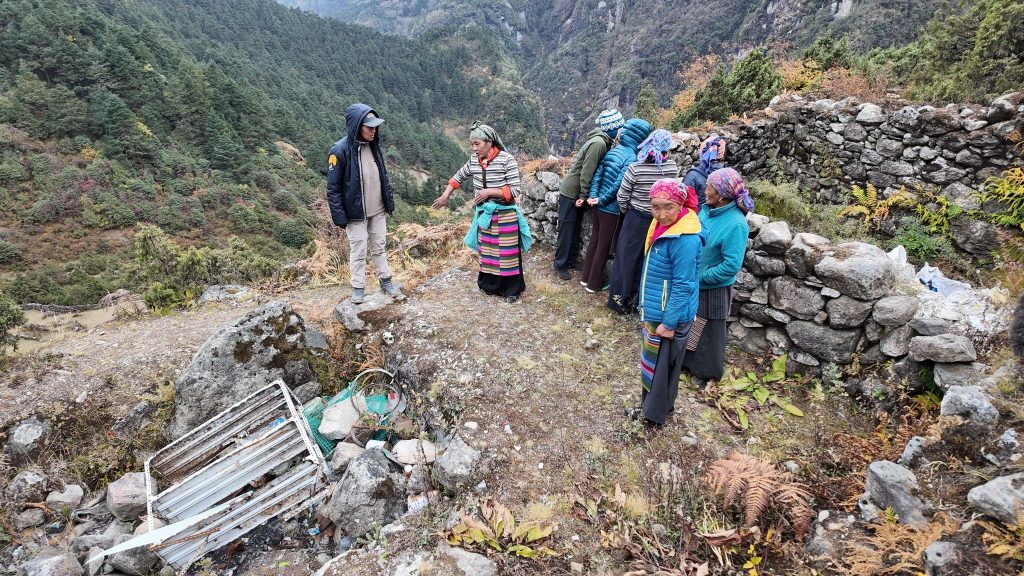
The establishment of these environmental stations is being seen as a major advancement in waste management practices in one of Nepal’s most sensitive ecological regions. By promoting responsible waste handling and reducing environmental pollution, the project helps preserve the fragile Himalayan ecosystem while supporting sustainable tourism and local livelihoods. SPCC officials noted that such initiatives are crucial for safeguarding the natural beauty and ecological balance of the Khumbu region for future generations.