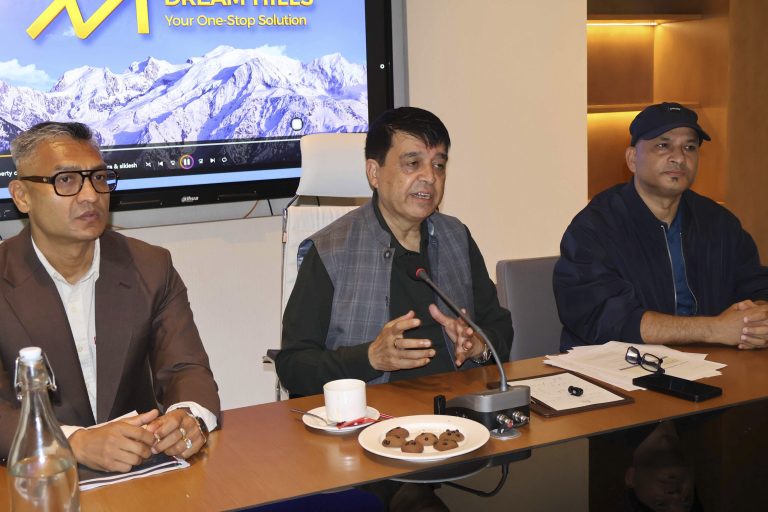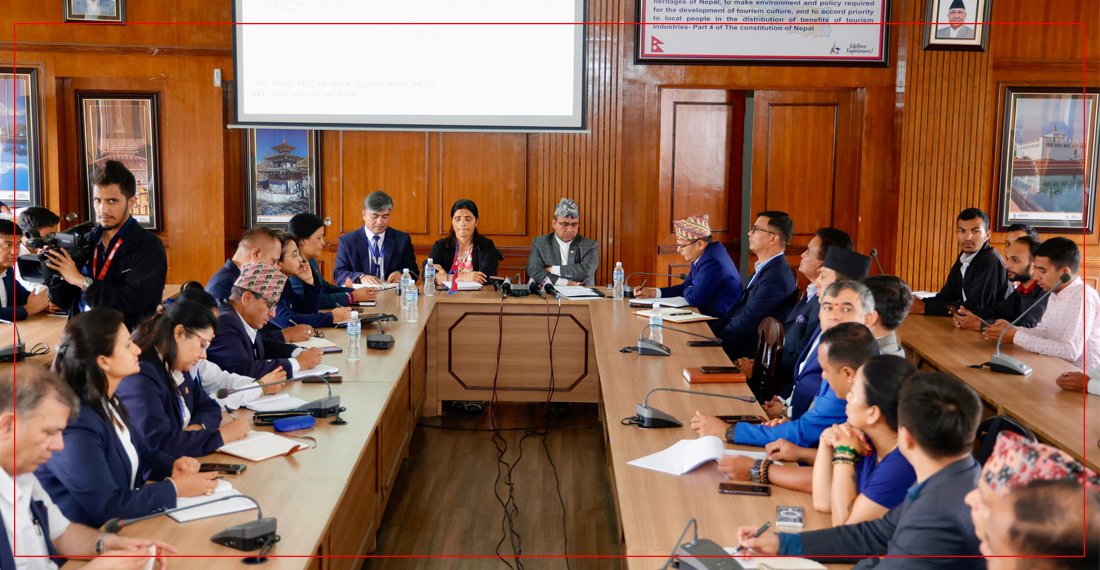
The Council reached the conclusion that a well-structured policy mechanism must be developed to support the growth of wellness tourism, which is emerging as a promising niche in Nepal’s tourism industry. In a significant step towards diversifying and modernizing Nepal’s tourism landscape, the first meeting of the National Tourism Council has decided to develop a strategic framework for the promotion of wellness tourism in the country. The meeting was chaired by Minister for Culture, Tourism and Civil Aviation Badri Prasad Pandey and held today at Singha Durbar, Kathmandu.
Wellness Tourism to Be Prioritized for Inclusive Growth
The council concluded that wellness tourism, which integrates health, nature, culture, and spirituality, holds strong potential as a long-term and inclusive tourism model. With this in mind, the council emphasized the need to create a policy structure that supports this growing niche. The meeting stressed that a strategic roadmap must be established to advance wellness tourism in alignment with Nepal’s socio-cultural values and natural resources.
Multi-Sectoral Subcommittee Formed
To formalize the concept and initiate structured development, a 13-member subcommittee has been formed under the coordination of the Chief of the Tourism Division. This subcommittee comprises representatives from diverse sectors, including the Ministry of Health and Population, Ministry of Forests and Environment, Department of Tourism, Department of Ayurveda and Alternative Medicine, Tribhuvan University, Nepal Tourism Board, Council for Technical Education and Vocational Training (CTEVT), Municipal Association of Nepal, National Federation of Rural Municipalities, Hotel Association Nepal, and Nepal Spa and Wellness Association.
The Undersecretary of the Tourism Promotion Section at the Ministry of Culture, Tourism and Civil Aviation has been appointed as the member secretary of the subcommittee. According to Joint Secretary Indu Ghimire, the formation of this expert-driven subcommittee will help formalize the conceptualization process of wellness tourism and accelerate the development of policies to support the sector.
A Move to Tap into Global Wellness Tourism Trends
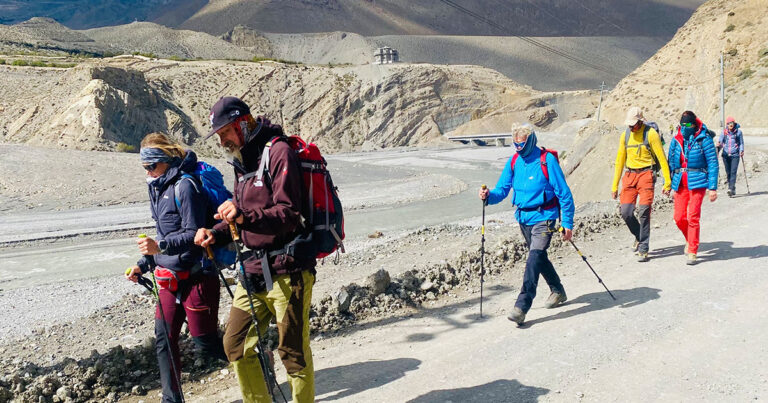
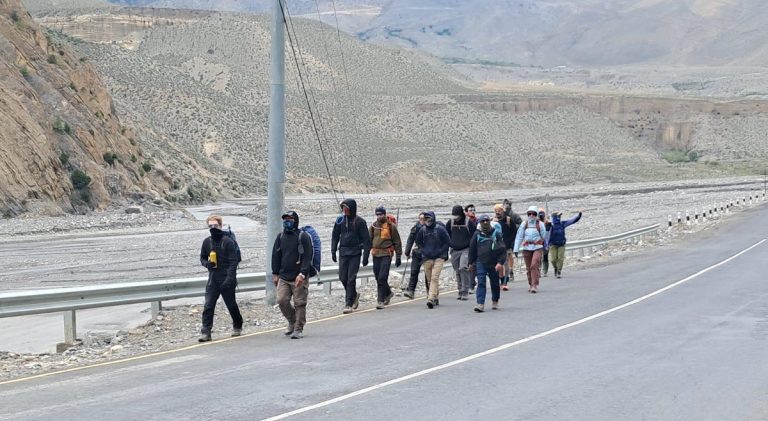
The council’s decision is seen as a timely move to align Nepal’s tourism offerings with global wellness tourism trends, which emphasize natural healing, mindfulness, yoga, meditation, and traditional therapies. Nepal’s rich cultural heritage, abundant natural beauty, and long-standing traditions in Ayurveda and alternative healing systems make it a promising destination for such forms of tourism.
The expectation is that the strategic paper will identify core opportunities, existing gaps, and partnership strategies to position Nepal as a unique and competitive wellness tourism hub in South Asia.
Provincial Participation Ensures Broader Representation
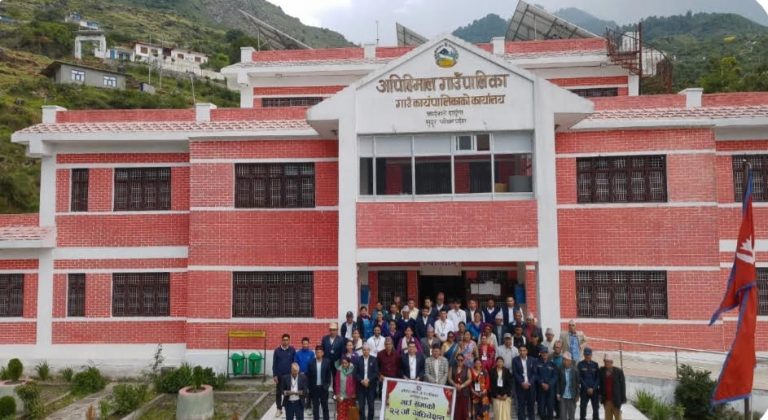
Tourism Ministers from Koshi, Madhes, Gandaki, and Lumbini Provinces, as well as representatives from other provincial ministries and council members, were present during the meeting. Their participation highlighted the federal collaboration essential for promoting wellness tourism across diverse regions of Nepal, especially those rich in medicinal flora, spiritual heritage, and natural tranquility.
The council also discussed how various provinces could contribute to the development of region-specific wellness destinations, utilizing existing community structures, traditional knowledge, and healthcare expertise.
Backed by Tourism Policy 2082
The meeting was conducted in alignment with Nepal’s newly announced Tourism Policy 2082, which has made provision for a 27-member National Tourism Council chaired by the Minister for Tourism. The policy advocates for the diversification and expansion of tourism destinations and products, emphasizing collaboration with relevant institutions to promote traditional and natural healing methods, meditation, yoga, and wellness tourism.
In line with this policy, the council has decided to prioritize the implementation of sector-specific agendas listed in the policy’s strategic action plan. This includes integrating wellness tourism with existing tourism circuits and developing new infrastructure and services tailored for wellness travelers.
Future Outlook: High Hopes for a New Tourism Frontier
Stakeholders believe this initiative could play a transformative role in reviving Nepal’s tourism sector, which is still recovering from the pandemic’s impact. By attracting health-conscious travelers, spiritual seekers, and those looking for alternative healing therapies, Nepal could significantly expand its tourism base.
The integration of wellness tourism is also expected to benefit local communities, create employment opportunities, and encourage sustainable use of natural resources. Moreover, by promoting Ayurveda, meditation, yoga, and natural retreats, Nepal can reinforce its identity as a peaceful, healing, and rejuvenating destination.
With a formal roadmap now in the making, the tourism sector is hopeful that wellness tourism will not only enrich Nepal’s image globally but also contribute meaningfully to its economic development and cultural preservation. As the strategic framework begins to take shape in the coming months, all eyes will be on how Nepal will leverage its unique advantages to tap into the multi-billion-dollar global wellness tourism market.