The Trekking Agencies’ Association of Nepal (TAAN) has urged the government to take immediate measures to strengthen the safety and monitoring of trekkers in Nepal, citing serious gaps exposed by the devastating Bhote Koshi flood in Rasuwa. In a formal appeal to the Ministry of Culture, Tourism and Civil Aviation, TAAN has called for the immediate full implementation of the Trekkers’ Information Management System (TIMS), the creation of a Rs. 25 crore dedicated safety and relief fund, and financial assistance to families of trekking workers who lost their lives in the recent disaster.
Flood Disaster Highlights Weaknesses in Trekker Tracking
The association said the recent disaster has demonstrated the consequences of an incomplete trekker information and monitoring mechanism. The flash flood that struck the Bhote Koshi River in Rasuwa on August 26, 2026, resulted in the deaths of tourists and members of trekking support teams, while several others remain unaccounted for.
TAAN argued that authorities have faced difficulties identifying the locations, nationalities and last known movements of affected trekkers and support workers because the TIMS system has not been fully implemented. According to the association, a properly functioning TIMS database could provide government agencies with critical information about trekkers entering different trekking regions, making it easier to locate and assist them during emergencies.

TAAN Wants TIMS Fully Operational
TAAN has asked the government to provide immediate policy direction to complete all remaining procedures required to make TIMS fully operational. The system was originally introduced by the Government of Nepal in 2007 to maintain updated records of trekkers and facilitate search and rescue operations in the event of accidents and emergencies.
Under the existing framework, the Nepal Tourism Board (NTB) serves as the primary agency, while TAAN acts as a supporting organization. The two organizations have previously signed agreements to operate TIMS, but TAAN says the mechanism has not reached its intended level of implementation.
Checkposts and Institutional Coordination Needed
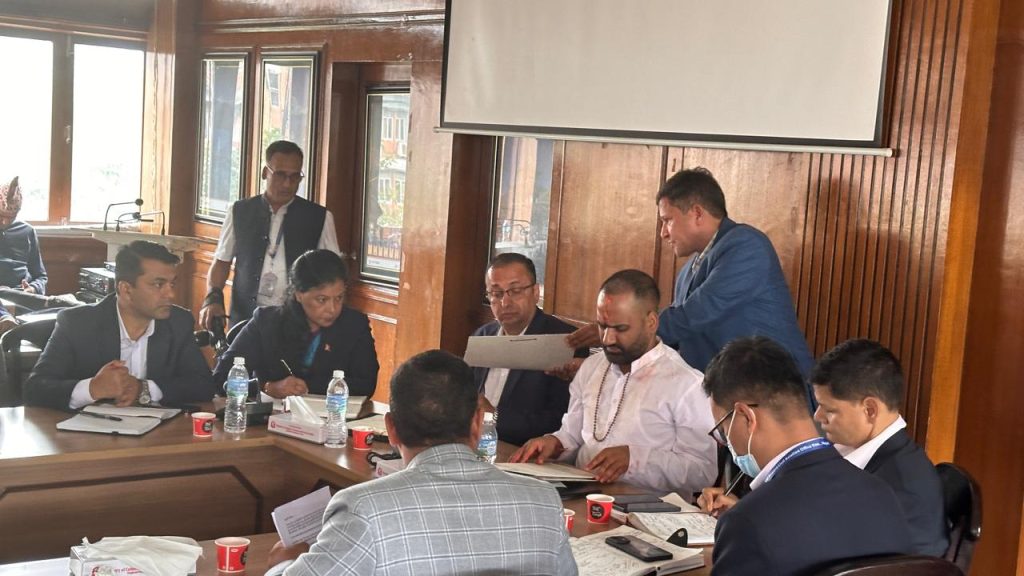
A major concern raised by TAAN is the absence of properly established TIMS checkposts and a renewed operational framework between NTB and TAAN. The association said that without these mechanisms, collecting and updating information on trekkers remains difficult, reducing the effectiveness of TIMS as a safety tool. TAAN has therefore urged the government and NTB to move ahead with the necessary institutional and technical arrangements rather than allowing the system to remain only partially operational.
New TIMS Rules Introduced in 2023
The Nepal Tourism Board had already attempted to strengthen the system through decisions taken by its 336th board meeting in March 2023. Under the revised arrangement, the previous FIT TIMS card was discontinued from April 1, 2023. A fee of Rs. 2,000 per trekker was introduced, while trekkers from SAARC countries were required to pay Rs. 1,000.
The revised system also made it mandatory for trekkers to travel through a trekking company with a trekking guide, while provision was made for TIMS cards to be issued online. The board subsequently introduced the TIMS Management Standards, 2079, to support implementation of the revised system. However, TAAN maintains that the absence of full institutional implementation has prevented TIMS from delivering its intended safety benefits.

Proposed Rs. 25 Crore Safety and Relief Fund
Alongside the demand for full TIMS implementation, TAAN has proposed establishing a Rs. 25 crore Trekker and Trekking Worker Safety and Relief Fund under the TIMS heading of the Nepal Tourism Board. The proposed fund would provide financial resources for emergencies involving trekkers and trekking workers. It would cover activities including:
- Search and rescue of trekkers and trekking workers
- Emergency medical treatment
- Treatment of injured trekking workers
- Relief for families of deceased trekking workers
- Assistance for the children and dependents of workers killed in trekking-related disasters
TAAN believes a dedicated fund would allow the tourism sector to respond more quickly when major accidents or natural disasters occur in trekking destinations.
TAAN Seeks Reallocation of Accumulated TIMS Funds
The association has proposed using a portion of the funds accumulated from TIMS fees to establish the relief mechanism. According to TAAN, around 10% of TIMS revenue, estimated at approximately Rs. 5 crore, has been accumulated under the Trekking and Mountain Workers Welfare Fund. It has also referred to funds equivalent to 30% of total TIMS fees that are associated with TAAN’s share.

TAAN has requested that Rs. 20 crore from the accumulated amount be reallocated and that the necessary operating procedure be prepared immediately to establish the proposed Rs. 25 crore safety and relief fund. Under its proposal, NTB would verify applications and expenditures, while recommendations would be made through TAAN.
Rs. 100,000 Relief Proposed for Families of Deceased Workers
TAAN has separately requested immediate financial assistance for the families of trekking workers who died in the Rasuwa Bhote Koshi flood. The association has proposed providing Rs. 100,000 to the family of each deceased trekking worker. The compensation would be financed through the accumulated Trekking and Mountain Workers Welfare Fund under the Nepal Tourism Board. TAAN has asked the tourism ministry to provide the necessary policy direction so that the relief can be distributed promptly.
Safety Data Seen as Essential for Nepal’s Trekking Industry
TAAN has emphasized that TIMS should not be viewed merely as a fee collection or registration mechanism but as an important trekker safety and emergency-response system. A complete database containing information about trekkers and their trekking routes could help authorities and tourism organizations respond more effectively during floods, landslides, avalanches, accidents and other emergencies. The association’s latest appeal places renewed pressure on the government to address long-standing implementation gaps and establish a stronger safety framework for both international trekkers and the workers who support Nepal’s trekking industry.