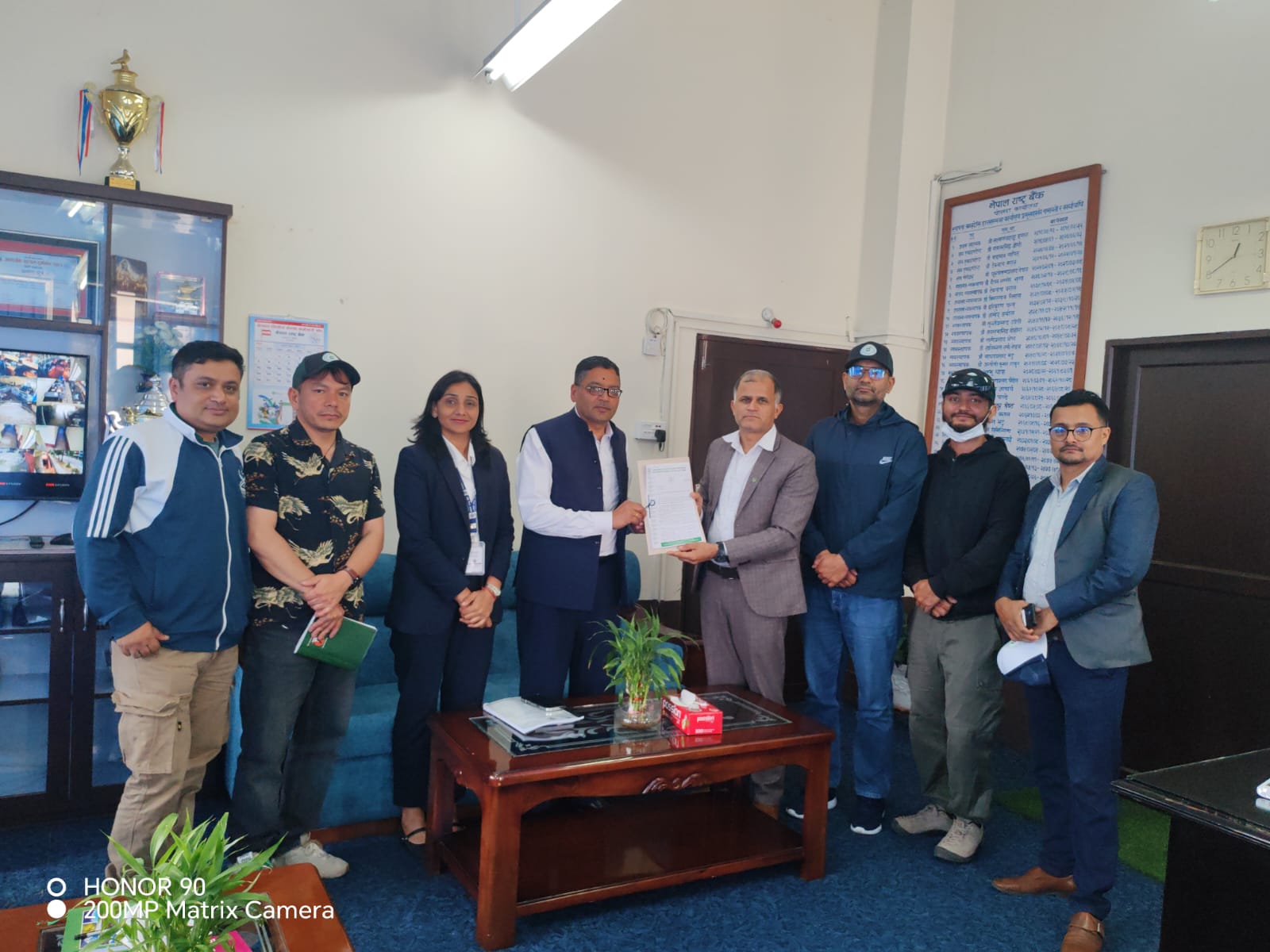
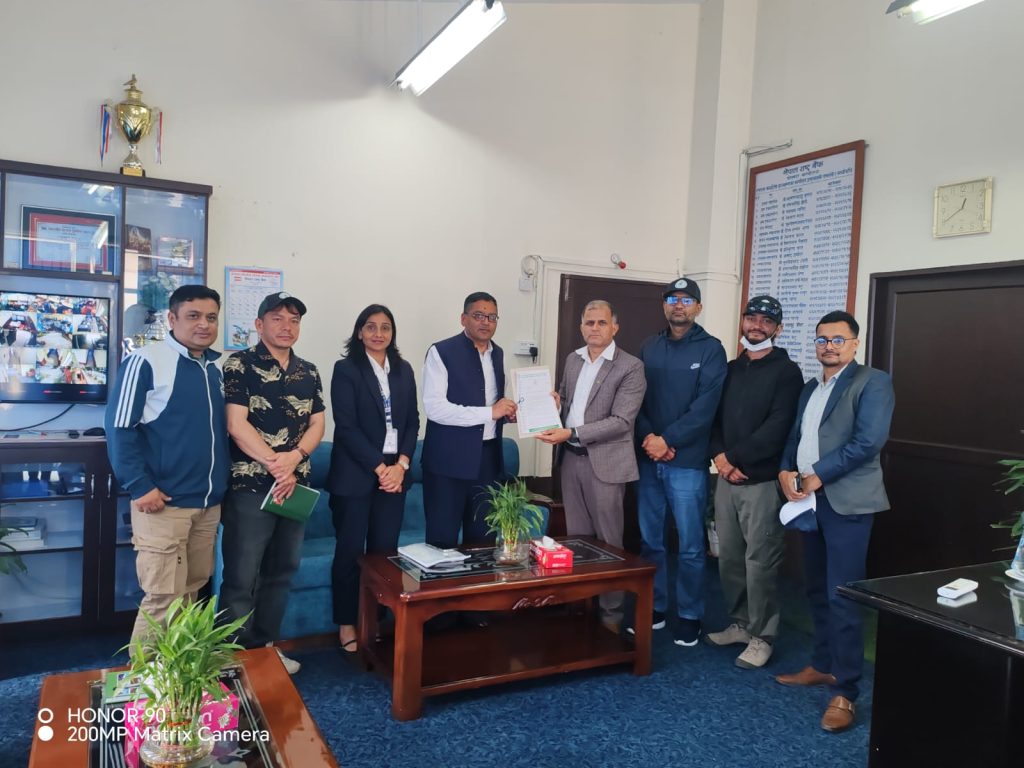
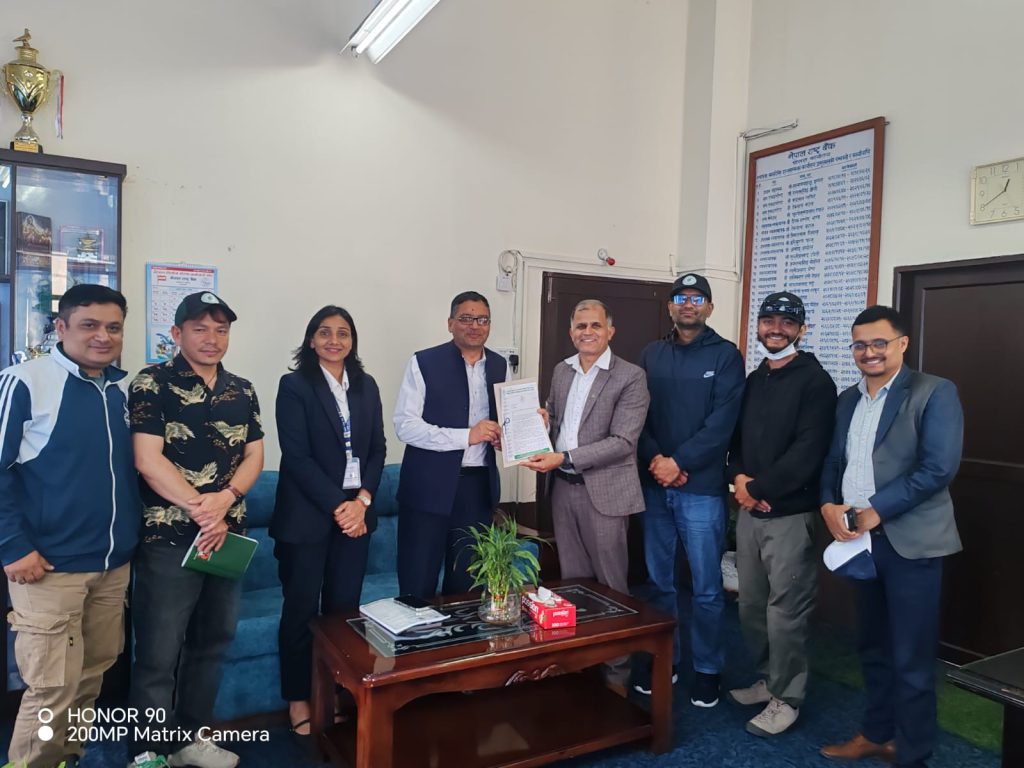
The Trekking Agencies’ Association of Nepal (TAAN) Gandaki has put forward a set of policy recommendations aimed at strengthening Nepal’s trekking tourism sector through more business-friendly financial and regulatory arrangements.
Highlighting trekking tourism as a major contributor to Nepal’s foreign currency earnings, TAAN Gandaki emphasized the need for proactive support from the Nepal Rastra Bank to further energize the sector amid a gradually improving economic environment. The recommendations come in response to recent directives issued by Nepal Rastra Bank up to Chaitra 2082 and its mid-term monetary policy review.

Call for Easier Permit Access
TAAN Gandaki has urged authorities to allow trekking companies without dollar accounts to obtain Restricted Area Permits. Currently, such permits require agencies to maintain a dollar account and possess a foreign exchange license from the central bank.
However, noting that permit fees can already be paid in Nepali rupees equivalent to US dollars at immigration offices, the association has requested that tax-compliant trekking companies without dollar accounts also be allowed to access these permits.
Flexibility in Working Capital Requirements
The association has welcomed the central bank’s revised provision allowing borrowers to reduce their working capital loans to 30 percent annually, up from the earlier 10 percent threshold. Given the seasonal nature of trekking businesses, TAAN Gandaki has called for strict implementation of this flexibility, stating that it would significantly ease cash flow management for tourism entrepreneurs.
Relief in Blacklisting Provisions
TAAN Gandaki has also stressed the need for practical implementation of new provisions related to blacklisting. It has recommended that businesses facing repayment delays due to seasonal or unforeseen circumstances should not be immediately blacklisted. Instead, a grace period of six months should be effectively enforced, allowing businesses time to recover without being pushed out of the market.
Targeted Credit for Tourism Sector
Referring to the central bank’s directive requiring commercial banks to invest at least 20 percent of total lending in sectors such as tourism, MSMEs, and exports, TAAN Gandaki has called for a fair share of this allocation to be directed specifically toward trekking businesses. The association emphasized that easier access to concessional loans would help expand trekking operations and improve service quality.
Push for Digital and Paperless Systems
TAAN Gandaki has welcomed the move toward digitizing foreign exchange reporting systems, particularly the transition of “Bi Bi Ni” forms into digital formats. It has further urged authorities to fully implement paperless reporting systems, especially for businesses operating in remote areas. The association has also called for technical support to ensure smooth adoption of digital systems among trekking entrepreneurs.
Addressing Revenue Leakage Through Online Platforms
The association has raised concerns about revenue and foreign currency leakage through international online booking platforms such as Booking.com and Agoda, as well as unauthorized portals. While acknowledging the introduction of a 2 percent Digital Service Tax (DST), TAAN Gandaki has recommended that all such transactions be mandatorily routed through formal banking channels and integrated into Nepal Rastra Bank’s payment systems such as RTGS and connect IPS.
Proposal for Single Door Payment System
To address inconsistencies in tourism-related fees imposed by different local governments, TAAN Gandaki has proposed the implementation of a “single door system” for payments. The association has urged Nepal Rastra Bank to take a leading role in coordinating foreign exchange management and local taxation systems to ensure transparency and efficiency.
Need for Financial Training and Capacity Building
TAAN Gandaki has also emphasized the importance of capacity building within the trekking sector. It has requested the central bank to provide orientation and training programs for trekking entrepreneurs on foreign exchange transactions, digital reporting, billing in foreign currency, and compliance procedures. Such training, particularly for VAT and PAN-registered businesses, would help improve financial literacy and regulatory compliance in the sector.

Solving Payment Issues for Russian Tourists
The association has highlighted payment challenges faced by Russian tourists due to international banking restrictions. With Russian arrivals to Nepal on the rise, TAAN Gandaki has suggested expanding the use of cross-border QR payment systems in collaboration with UnionPay International. It recommended integrating trekking agencies into this system so that Russian tourists can make payments using digital wallets or cards without banking barriers.
Concluding its recommendations, TAAN Gandaki has urged authorities to ensure effective implementation of these business-friendly policies so that tourism entrepreneurs can benefit from Nepal’s strong foreign exchange reserves. The association believes that with the right policy support, Nepal’s trekking tourism sector can become more resilient, competitive, and capable of driving sustainable economic growth.