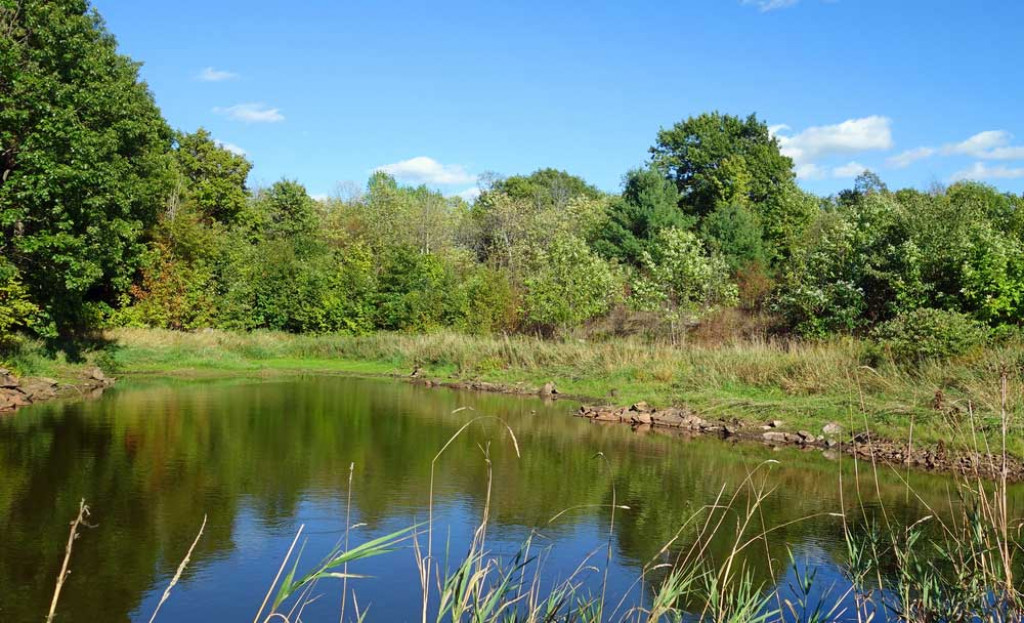
Thalthale Pond is poised to emerge as a promising attraction in eastern Nepal, offering both environmental value and new opportunities for local communities. In a significant step toward promoting sustainable tourism and strengthening local livelihoods, Hatuwagadhi Rural Municipality–1 in Bhojpur district has advanced the conservation of the historic Thalthale Pond. The initiative reflects a growing focus on preserving natural resources while simultaneously boosting rural economic activities.
Reviving a Neglected Water Source
Once left in a state of neglect, Thalthale Pond has now been revived through a joint effort between the ward office and the rural municipality. The restoration work included rebuilding damaged structures, clearing overgrown vegetation, and improving the overall condition of the water body.

Local authorities emphasized that the conservation of the pond is not only about environmental protection but also about ensuring the sustainability of essential water sources. With many natural springs in the region gradually drying up, the restored pond is expected to play a crucial role in maintaining water availability for both human use and livestock.
Ward Chairman Kumar Bista stated that the project focused on tidying up the pond area, controlling soil erosion, and reconstructing key structures to preserve the water source. “The pond is directly linked to the everyday life of locals, including sanitation and irrigation,” he said, highlighting its practical importance to the community.
Investment in Sustainable Development
The conservation project was completed with an investment of approximately Rs 750,000, reflecting the local government’s commitment to environmental sustainability. According to Chairman Bista, protecting water sources remains a top priority for the municipality.
He further noted that the initiative goes beyond conservation, as it is also expected to contribute to economic development. “This effort will not only safeguard water resources but also promote tourism and generate employment opportunities in the surrounding area,” he added.
Tourism Potential Along Trekking Route
The strategic location of Thalthale Pond adds to its significance as a potential tourist attraction. Situated near the increasingly popular Jorahal–Sankhachuli trekking route, the area has already begun to attract both domestic and international visitors in recent years.
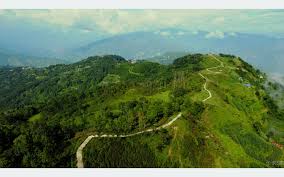
With the restoration of the pond, local authorities anticipate a rise in tourist footfall, as trekkers and nature enthusiasts seek scenic spots along the route. The combination of natural beauty, accessibility, and improved infrastructure is expected to enhance the overall appeal of the destination.
A Scenic Destination for Nature Lovers
Beyond its practical benefits, Thalthale Pond offers a serene environment that appeals to visitors seeking tranquility and natural beauty. The area is characterized by lush greenery, a peaceful atmosphere, and picturesque views, making it an ideal spot for relaxation and photography.
Resident Bachidhan Rai expressed optimism about the pond’s future as a recreational site. “Thalthale is likely to become a popular hangout after the restoration. People enjoy taking photos here, and the scenic beauty is truly remarkable,” he said. The blend of natural charm and improved surroundings has already started to draw attention, positioning the pond as a hidden gem within Bhojpur’s tourism landscape.
Strengthening Rural Economy Through Tourism
The conservation of Thalthale Pond is part of a broader effort to integrate environmental protection with tourism development in rural Nepal. By enhancing local attractions and improving infrastructure, authorities aim to create new income opportunities for residents.
Increased tourist activity is expected to benefit local businesses, including homestays, small eateries, and guides, thereby contributing to the overall growth of the rural economy.

A Model for Sustainable Tourism Development
The initiative undertaken by Hatuwagadhi Rural Municipality serves as an example of how local governments can effectively balance conservation and development. By restoring natural resources and linking them to tourism, the project demonstrates a sustainable approach that addresses both environmental and economic challenges.
As Nepal continues to promote eco-friendly tourism, such grassroots efforts are likely to play a crucial role in diversifying destinations and spreading the benefits of tourism beyond major hubs.