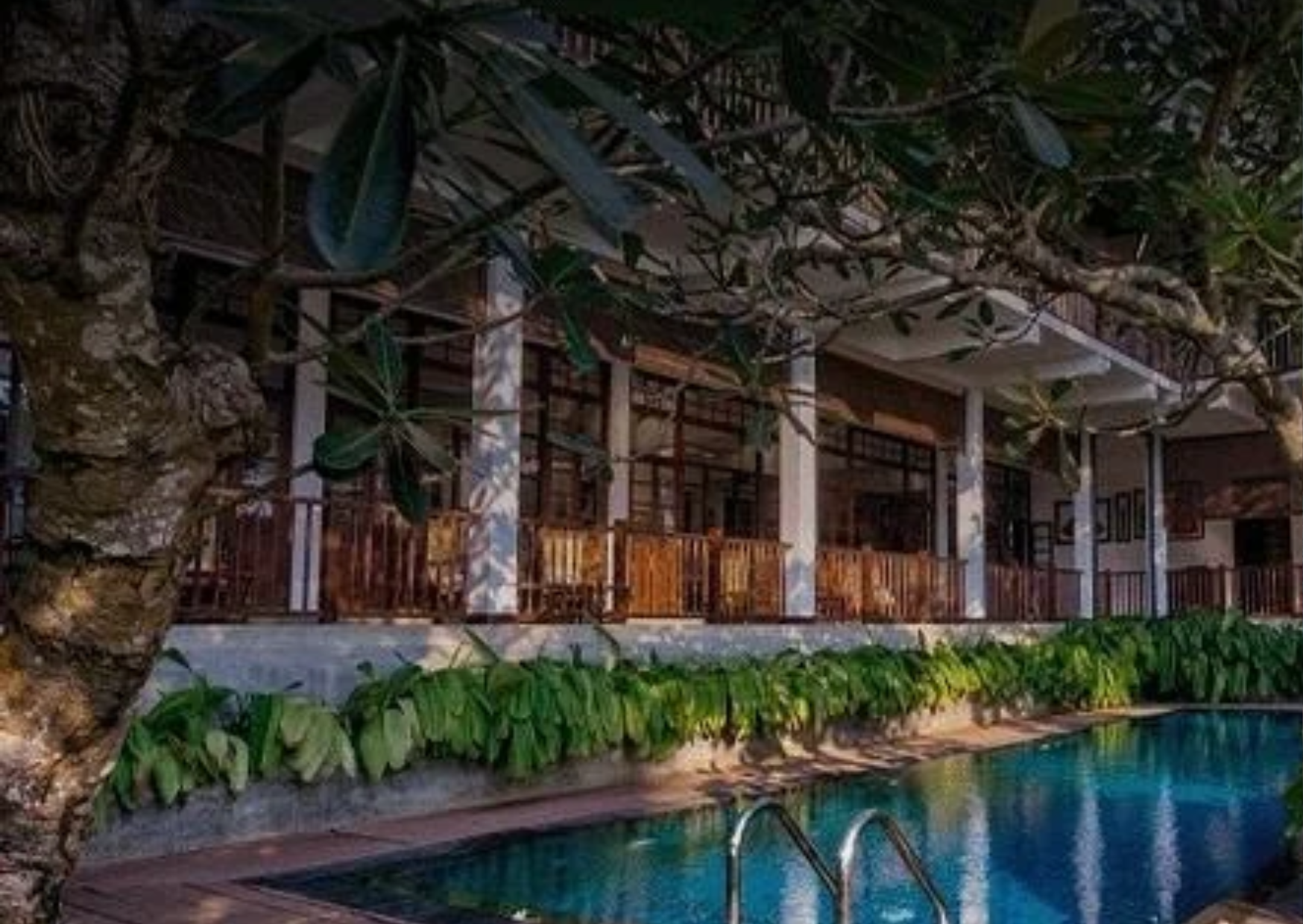
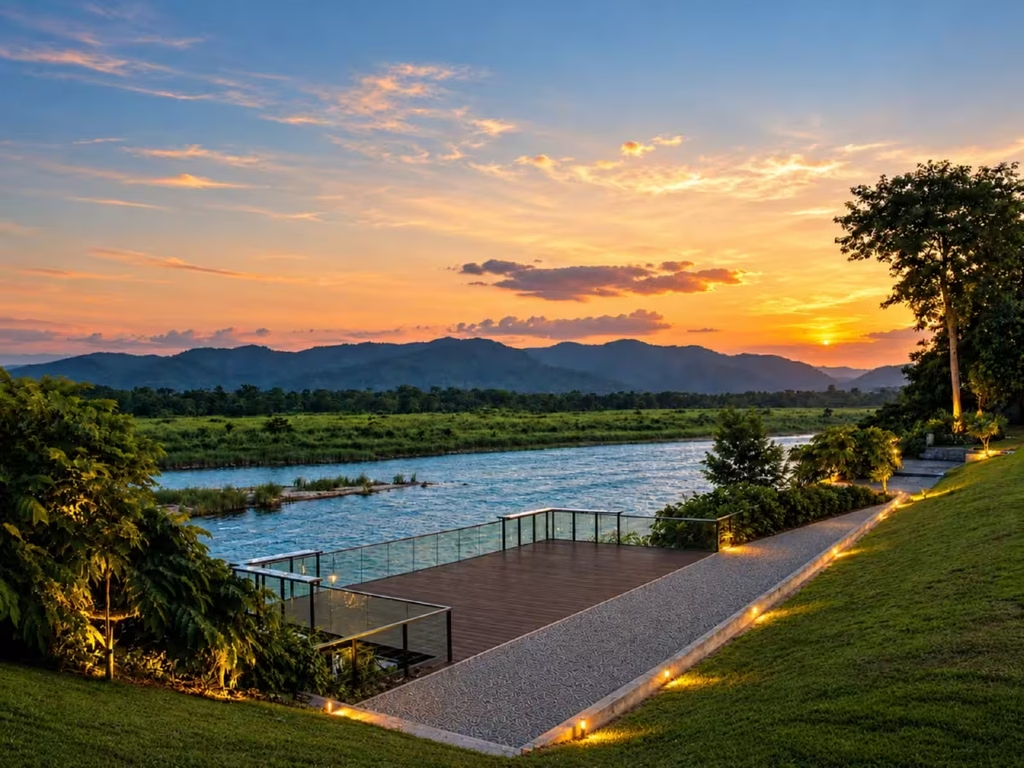
The Postcard Hotel, an international luxury boutique hospitality brand, has expanded into Nepal with the opening of The Postcard on the Rapti River, a 22-room-and-suite luxury retreat in Meghauli, Chitwan. Located along a scenic bend of the Rapti River, adjoining the buffer zone of Chitwan National Park, the property marks the brand’s entry into its fourth country after India, Bhutan and Sri Lanka.
The development represents a significant addition to Nepal’s luxury hospitality sector, particularly its wildlife and nature-based tourism segment. The retreat is designed to bring visitors closer to the natural environment of the Terai through luxury accommodation, wildlife encounters, river-based activities and cultural experiences. Its arrival also highlights the growing potential of Nepal’s southern plains as an international tourism destination beyond the country’s established mountain and trekking markets.
The property operates through a partnership between The Postcard Hotel and Vaidya’s Organization of Industrial and Trading Houses (VOITH), under which the existing Saswata Wildlife Resort has been brought into The Postcard Hotel’s hospitality portfolio. According to VOITH, the partnership was established in December 2023, with the property developed across approximately 10 bighas of riverfront land adjoining the Rapti River and Chitwan National Park’s buffer zone.
Luxury Hospitality Brand Expands into Nepal
Founded in December 2018, The Postcard Hotel has developed a portfolio of boutique luxury properties across India, Bhutan and Sri Lanka. With its Nepal expansion, the brand is extending its presence into another important South Asian tourism destination known for its natural landscapes, biodiversity and cultural heritage. The Nepal property follows a successful year for the hospitality brand, which received 12 honours at the World Travel Awards Asia, Oceania and Indian Ocean Gala Ceremony in the Maldives in September 2026. Among the recognitions was the title of Asia’s Leading Boutique Hotel Brand for another consecutive year.
Kapil Chopra, founder and chief executive officer of The Postcard Hotel, said the company aims to introduce destinations that remain beyond conventional travel routes through hospitality experiences deeply connected to their surroundings. He highlighted the vision of Savanna Vaidya Basnyat and her father, Suraj, to promote Nepal beyond its mountains while respecting the country’s landscapes, wildlife and local communities.
Savanna Vaidya Basnyat, owner of The Postcard on the Rapti River, said the project reflects a broader vision of introducing international travellers to Nepal’s forests, rivers, wildlife and people. She also emphasised conservation tourism and the importance of developing tourism in harmony with nature. The partnership reflects an approach that combines international hospitality standards with Nepal’s natural and cultural identity, potentially strengthening the country’s position in the competitive luxury travel market.
22 Spacious Rooms and Premium Hospitality Facilities
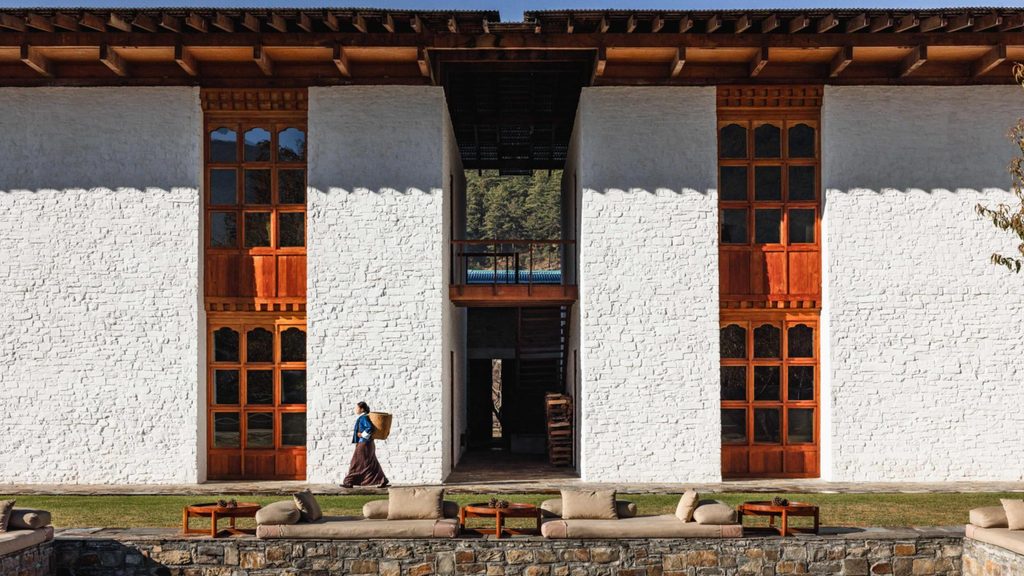
The Postcard on the Rapti River features 22 spacious rooms and suites, with accommodation starting at approximately 1,300 square feet. Each room includes a private sit-out overlooking either the Rapti River or the surrounding forest, allowing guests to experience the natural landscape directly from their accommodation. The property’s premium accommodation offering includes a two-bedroom Presidential Suite covering approximately 5,000 square feet. The suite features a private swimming pool, offering additional privacy and space for guests seeking an exclusive luxury stay.
The resort also includes Tree Tops, an indoor-outdoor restaurant and bar situated on an elevated deck overlooking the forest. The dining experience incorporates the brand’s signature Anytime Breakfast concept, allowing guests greater flexibility in choosing when to enjoy their meals. Tribal Circle provides another distinctive dining experience, with open-air barbecues organised around a bonfire and culinary influences inspired by the Tharu community of the Terai.
Additional facilities include a swimming pool, spa treatment rooms, a steam room and a sauna. An elevated viewing deck beside the swimming pool offers panoramic views of the surrounding landscape and opportunities to observe wildlife. The hotel’s introductory accommodation rates have been reported at approximately NPR 136,000 per suite, including the brand’s Anytime Breakfast and Anytime Check-In and Check-Out services. This premium pricing positions the property within Nepal’s high-end hospitality segment and reflects its focus on exclusive accommodation and personalised experiences.
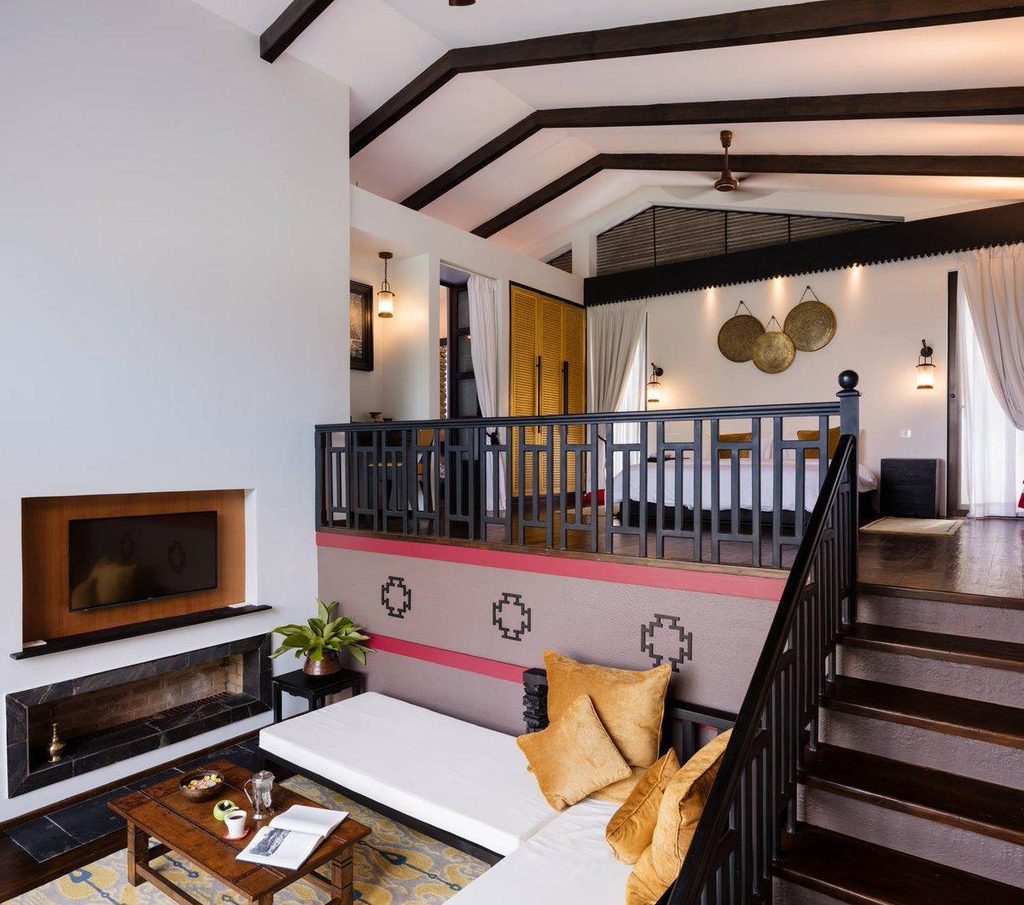
Wildlife and Cultural Experiences Strengthen Chitwan Tourism
One of the major attractions of the property is its location alongside Chitwan National Park, a UNESCO World Heritage Site inscribed in 1984. The national park protects an important natural ecosystem of Nepal’s Terai, comprising extensive grasslands, dense sal forests and riverine habitats that support diverse wildlife. Chitwan is internationally recognised for its greater one-horned rhinoceros, Bengal tiger, leopard, sloth bear and endangered gharial. According to Nepal’s 2021 national rhinoceros census, 694 rhinos were recorded in Chitwan and its surrounding areas. The destination is also an important birdwatching location, with more than 525 recorded bird species.
The Postcard on the Rapti River has been designed to make these natural attractions an integral part of the guest experience. Visitors can participate in naturalist-led jeep safaris, guided forest walks, canoe excursions along the Rapti River and birdwatching activities. The surrounding riverbanks and forests also offer opportunities to observe wildlife in its natural habitat. Beyond wildlife activities, the property promotes cultural experiences through visits to nearby Tharu villages.
These excursions allow visitors to learn about the traditions, cultural heritage and lifestyles of the communities that have historically lived alongside the forests and rivers of the Terai. The combination of wildlife exploration and cultural experiences is expected to strengthen Chitwan’s appeal among international visitors seeking immersive travel experiences. It also creates opportunities to connect tourism activities with local communities, cultural preservation and nature conservation.
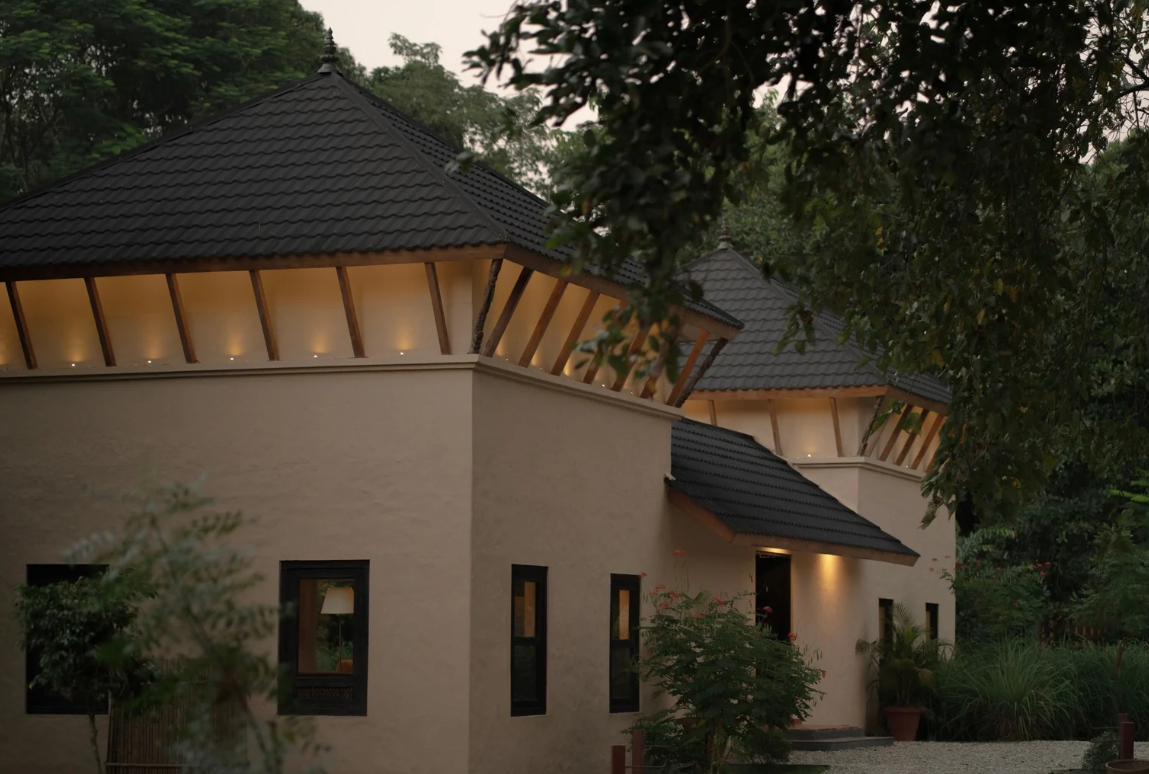
New Investment Opportunities for Nepal’s Tourism Economy
The entry of The Postcard Hotel adds another premium hospitality option to Nepal’s tourism industry and highlights the potential of private-sector investment in emerging tourism destinations. The development could contribute to the local economy by increasing demand for hospitality services, transportation, food supplies, tour operations and other tourism-related businesses. The operation of a luxury retreat of this scale can also create employment opportunities across different areas of the hospitality value chain, including accommodation management, food and beverage services, guest relations, maintenance and nature-based tourism activities.
Increased visitor spending may further benefit local suppliers, guides, transport operators and businesses serving tourists in the surrounding communities. Although specific employment figures and the total investment amount have not been publicly disclosed, the property’s presence is expected to create additional economic opportunities through its tourism operations and associated services. Accessibility is another advantage supporting the property’s tourism potential. Bharatpur Airport is approximately 25 minutes by air from Kathmandu, followed by a road journey of around 40 minutes to the retreat. This connection provides a relatively convenient travel option for domestic and international visitors planning wildlife holidays in Chitwan.
The property will also join The Postcard Gir Wildlife Sanctuary in the brand’s growing collection of wildlife-focused destinations. The company has indicated plans for additional properties in Jawai, Kanha and Pench, further expanding its presence in nature-based hospitality across the Indian subcontinent. The arrival of The Postcard Hotel reflects the growing recognition of Nepal’s tourism potential beyond its Himalayan destinations. With its forests, rivers, wildlife and distinctive cultural heritage, the Terai offers opportunities to diversify the country’s tourism products and attract visitors interested in luxury nature experiences.
As Nepal continues to expand its hospitality offerings, developments such as The Postcard on the Rapti River could help position Chitwan as a stronger international luxury tourism destination while creating opportunities for local economic participation and promoting the conservation value of the region’s natural heritage.