
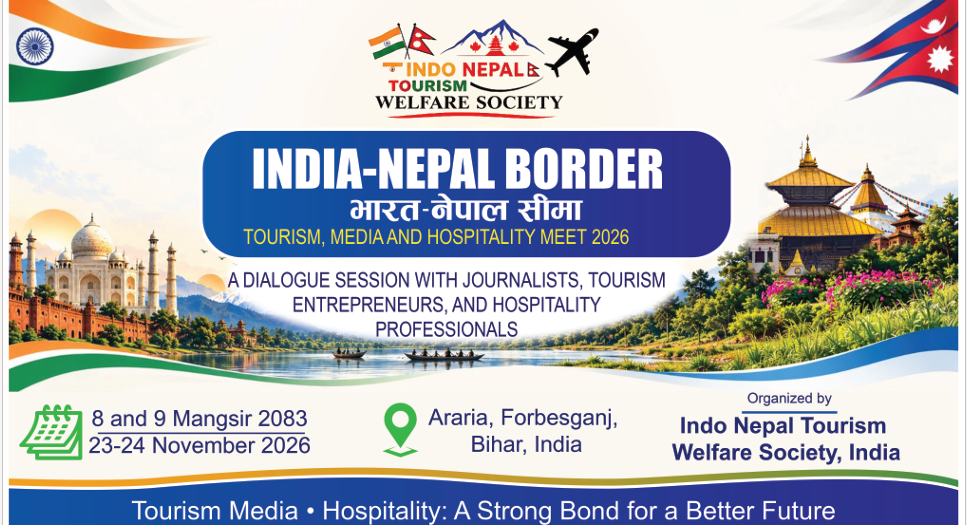
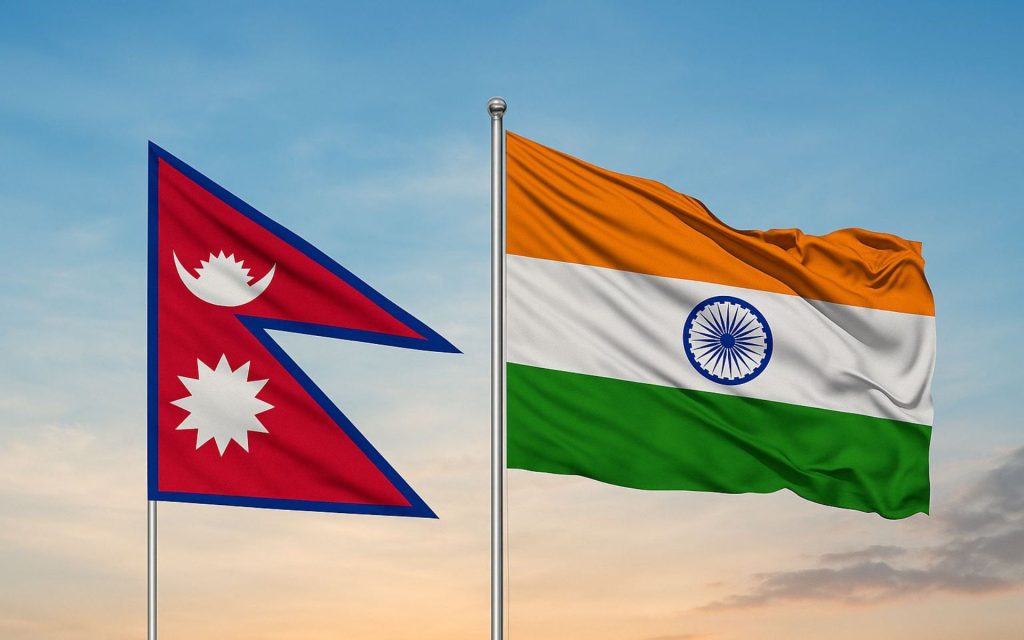
Nepal and India are far more than geographic border neighbors. Bound together by shared history, living culture, spiritual heritage, traditions, and deep people-to-people ties, the two nations are natural tourism partners. As tourism entrepreneurs, journalists, and hospitality professionals gather for the INDO-NEPAL BORDER TOURISM MEDIA & HOSPITALITY DIALOGUE 2026 (An Interactive Meet with Journalists, Tourism Entrepreneurs and Hospitality Professionals, Connecting Borders, Media, Hospitality & Tourism), organized by the Indo-Nepal Tourism Welfare Society, our conversation must move beyond traditional promotion toward structured, two-way collaboration that turns geographic proximity into shared prosperity.
Beyond Kathmandu and Pokhara: Showcasing Nepal’s Diverse Tourism Potential
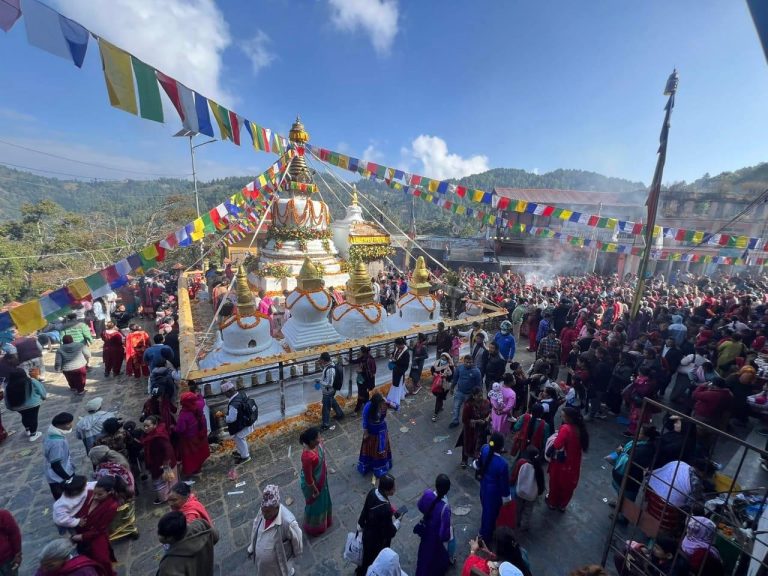
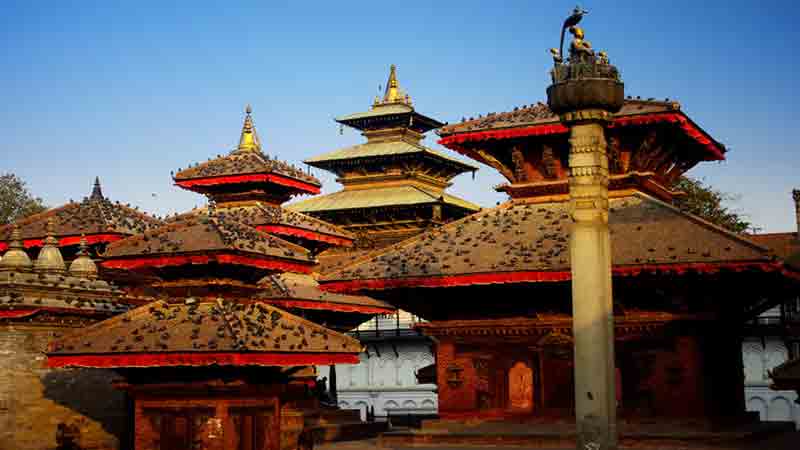
For too long, cross-border tourism promotion has relied on familiar slogans and a narrow list of flagship destinations. While Kathmandu and Pokhara remain iconic draws, Nepal’s tourism diversity extends far further, from wildlife safaris, nature, and Tharu culture in Chitwan, Bharatpur, and Sauraha to sacred Buddhist and spiritual landmarks in Lumbini, as well as Himalayan peaks, lakes, wellness retreats, and adventure activities. Alongside this diversity, Bihar, which shares a long, open border with Nepal, stands out as a vital and high-potential source market offering quick and convenient overland access into Nepal.
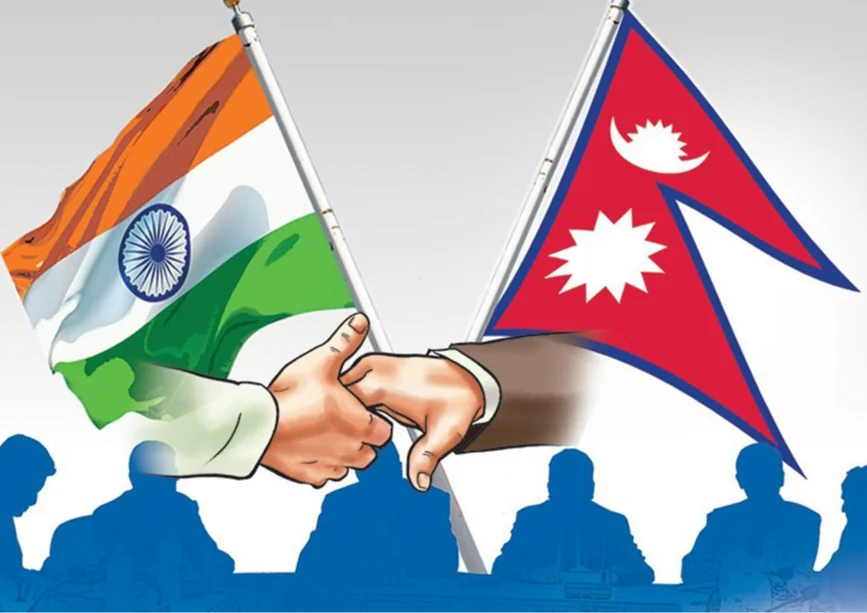
Bihar: A High-Potential Source Market for Nepal
Because many districts and towns of Bihar lie close to major tourism hubs across Nepal, travelers from the region do not need long flights or complicated arrangements to visit. Whether planning family holidays, religious and spiritual pilgrimages, short weekend getaways, student trips, or wildlife and nature outings, traveling by road from Bihar into Nepal is practical, accessible, and easy to turn into meaningful tourism exchanges.
Turning Travel Interest into Market-Ready Tourism Packages
Converting travel interest into sustained arrivals requires practical, market-ready packages developed by stakeholders on both sides. Co-creating 3-, 5-, 7-, and 10-day Nepal–India tourism packages tailored to families, spiritual travelers, students, honeymooners, business groups, and adventure seekers, with easy overland connections from Bihar and neighboring areas, can make cross-border travel smoother, more affordable, and more appealing.
Better Border Connectivity for Stronger Tourism Growth
Overland connectivity and border facilitation are equally essential. Alongside established routes linking Bihar with Chitwan, Lumbini, Pokhara, and Kathmandu, advancing gateways such as the Thori–Chhoti Bhansar border route, supported by smoother movement for tourist vehicles, better road links, and close coordination among stakeholders, can bring direct benefits to hotels, transport operators, and local economies on both sides. Making entry and movement easier for travelers and vehicles coming from Bihar will give cross-border tourism stronger momentum.
Media and Storytelling: Building a Stronger Tourism Narrative
Journalists, broadcasters, travel writers, and digital content creators play a decisive role in shaping how travelers view a destination. A compelling feature, documentary, or social media story can spark cross-border interest far more effectively than standard advertising alone.
Establishing an Indo-Nepal Tourism Media Network and running regular two-way familiarization (FAM) trips, bringing journalists and content creators from Bihar and across India to experience Nepal by road while encouraging Nepali media to showcase Indian destinations—can bridge perception gaps and foster more authentic storytelling.
P2P, B2B and G2G: Three Pillars of Cross-Border Tourism
Sustained tourism growth also depends on alignment across three core pillars: People-to-People (P2P), Business-to-Business (B2B), and Government-to-Government (G2G) cooperation. Strengthening ties among local communities, cultural bodies, youth, students, and citizens keeps travel rooted in mutual respect and friendship. Closer B2B links among hotel and resort owners, travel agencies, tour operators, and investors support joint packages, promotional exchanges, and hospitality exchange programs, while G2G coordination among local municipalities, provincial and state authorities, tourism ministries, tourism boards, and diplomatic missions helps remove practical travel bottlenecks.
From Dialogue to Action: Building a Joint Tourism Roadmap
No single organization or sector can realize this potential alone. Turning goodwill into measurable tourism growth calls for concrete follow-through, including joint roadshows in cities such as Araria, Forbesganj, Purnia, Kishanganj, and Patna, regular B2B meetings, a shared digital campaign, an annual dialogue hosted alternately in Nepal and India, and a working group of tourism associations, media, private operators, and government bodies to track progress.
Building a Shared and Sustainable Tourism Future
Ultimately, tourism is about connecting people, bridging borders, enriching cultures, and creating livelihoods. By combining Bihar’s geographic closeness, easy road access, diverse destinations, warm hospitality, strong media storytelling, and active partnership across the diaspora and private sector, Nepal and India can build a more dynamic, practical, and sustainable tourism future together.
By Som Nath Sapkota
Spokesperson & Chair of the Tourism Promotion Committee, NRNA ICC; Former Nepal Tourism Goodwill Ambassador to Wales