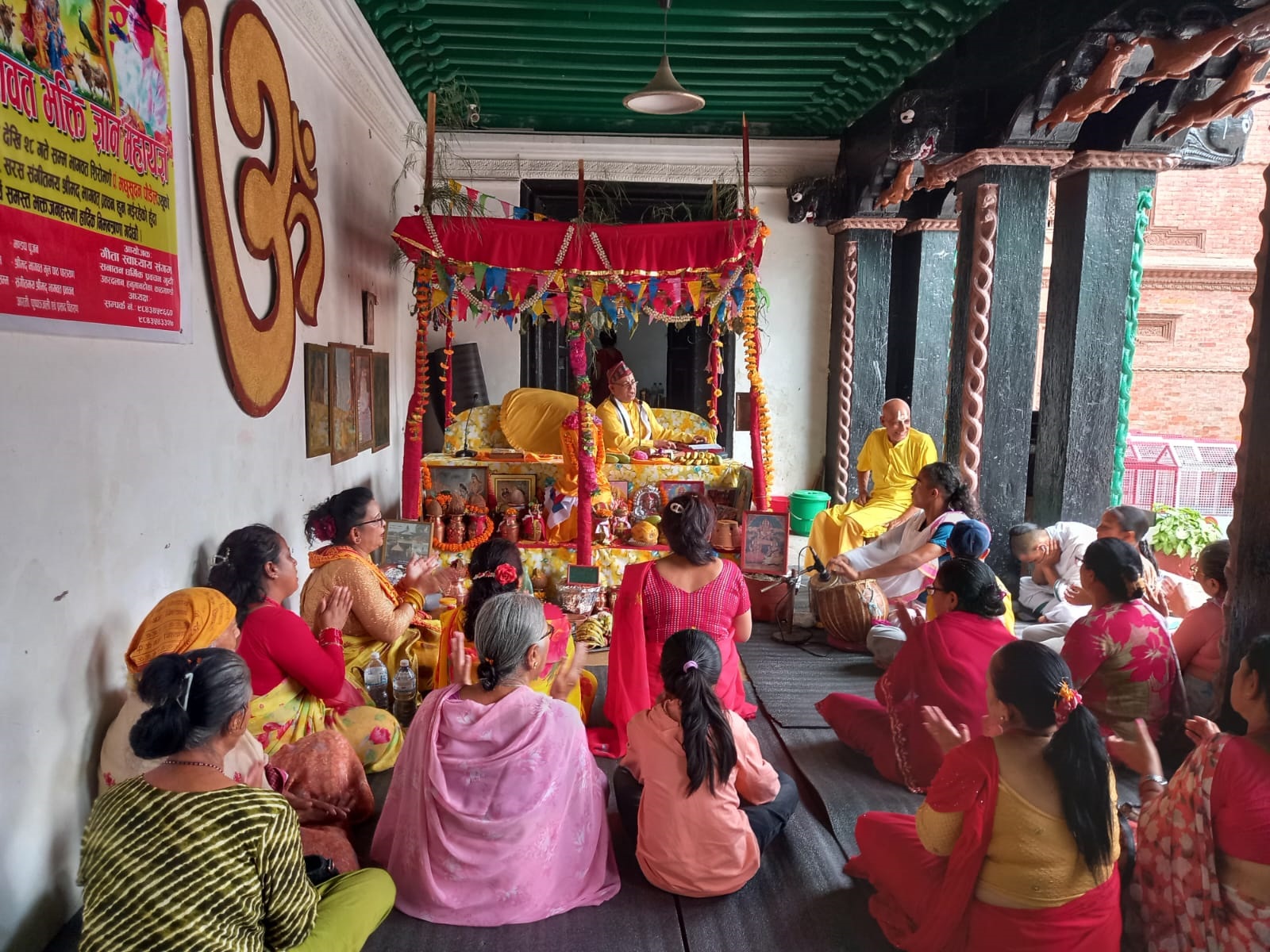
The traditional Phalo Festival, celebrated by the Thakali community of Thini Village in Gharpajhong Rural Municipality-3, Mustang, began on Sunday, bringing together centuries-old religious rituals, indigenous traditions, and cultural practices rooted in the community’s close relationship with nature and the Himalayas. Observed annually during the Nepali month of Bhadra, the festival is locally known as Phalo, a name derived from the Thakali language. Thini, widely recognized as one of the ancestral settlements of the Thakali community, holds considerable historical, religious, and cultural significance and remains an important destination for visitors interested in Mustang’s indigenous heritage.
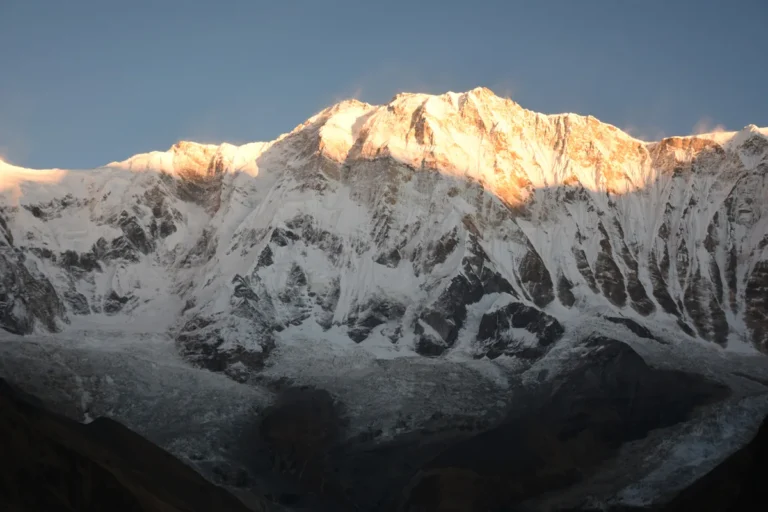
Nature Worship and Himalayan Spirituality
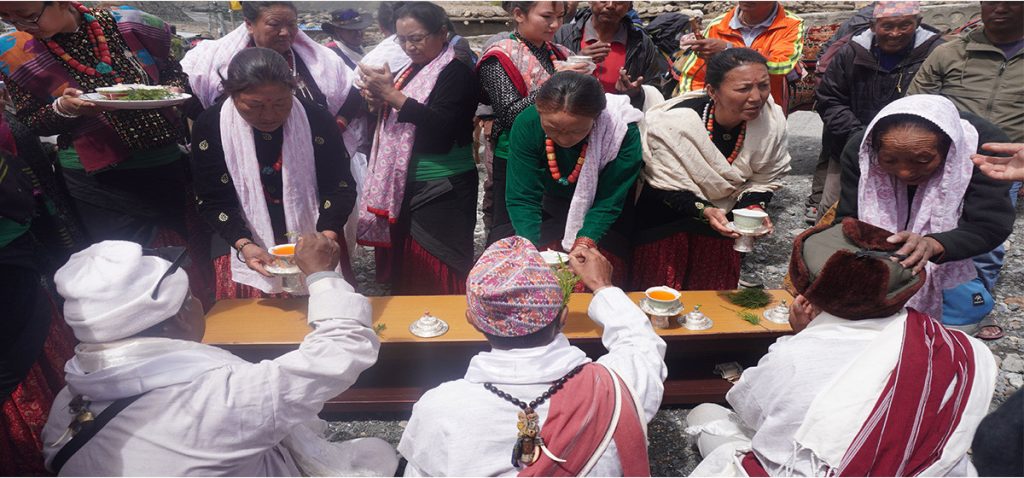
A major highlight of the festival is the traditional worship of nature and the Himalayan landscape. Before the formal beginning of the festival, local lamas perform special religious rituals to seek blessings and protection for the village and its people. According to local lama Shyam Prasad Thakali, the Thakali community regards the mountains as manifestations of the divine and conducts nature worship with prayers for peace, prosperity, healthy crops, protection from disease, and freedom from natural disasters.

The rituals also reflect the community’s awareness of the changing environmental and disaster risks affecting mountain regions. This year, prayers have also been offered for protection from disasters and for peace, following recent destructive flooding and other natural calamities in different parts of Nepal.
The nature-worship ceremony begins with a traditional journey toward the Namkhulek area. Local residents travel on horseback, while women from the village formally bid farewell to the participating lamas by presenting khada and flower garlands in accordance with local customs. The group is expected to return to Thini after two days. Local residents say the formal festival proceedings begin after the nature-worship team returns to the village.
Traditional Dances and Cultural Heritage
The two-day Phalo Festival combines religious rituals with a range of traditional cultural performances. Visitors and community members can experience indigenous dances and cultural displays, including the Yak Dance, Jogi Dance, and Tamaya Dance, along with other traditional processions and performances.
These activities provide an opportunity to preserve and showcase the distinctive cultural identity of the Thakali community, while also creating an avenue for visitors to experience Mustang beyond its natural landscapes. For cultural and heritage tourists, the festival offers an insight into the traditional beliefs, rituals, music, dances, and social practices that have been passed down through generations.

Thini’s Potential as a Cultural Tourism Destination
Thini Village is known for its association with the history and origin of the Thakali community. Its combination of mountain landscapes, traditional settlements, religious practices, and indigenous culture gives it significant potential for cultural and community-based tourism. The Phalo Festival can further strengthen Thini’s tourism appeal by providing visitors with an opportunity to experience local traditions in their authentic setting. Such festivals can also contribute to community-based tourism by encouraging visitors to explore local villages, interact with communities, experience traditional culture, and support local businesses.
As Mustang continues to attract domestic and international travelers for its Himalayan scenery, trekking routes, religious sites, and distinctive local culture, festivals such as Phalo add another dimension to the region’s tourism offerings. The festival will conclude after two days, following traditional religious rituals and cultural ceremonies, continuing a tradition that has been observed by the Thakali community in Thini for generations.