At the outset, it is important to dismiss misleading news currently spreading across various media platforms. Reports claiming that Former Nepali Prime Minister Jhalanath Khanal’s wife, Rajyalaxmi Chitrakar, was burnt alive while their house was on fire are false. She is not dead; rather, she is currently receiving treatment in hospital with about 15 percent burns. Such misinformation has created unnecessary panic, and authorities have urged the public to rely only on credible news sources.
Nepal’s peak tourism season, which spans the months of Ashwin and Kartik (mid-September to mid-November), is about to begin. This period coincides with major festivals such as Dashain and Tihar, traditionally attracting both domestic and international tourists. However, the country is currently witnessing political unrest driven by Gen-Z-led movements, raising concerns among tourism stakeholders about the potential impact on the sector. After the Covid-19 pandemic severely disrupted the tourism industry, business operators are now anxious that ongoing political instability could slow down the sector once again.
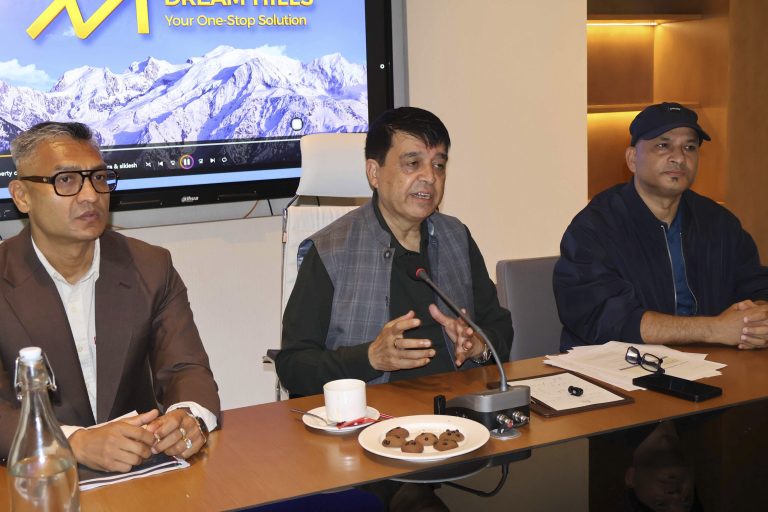
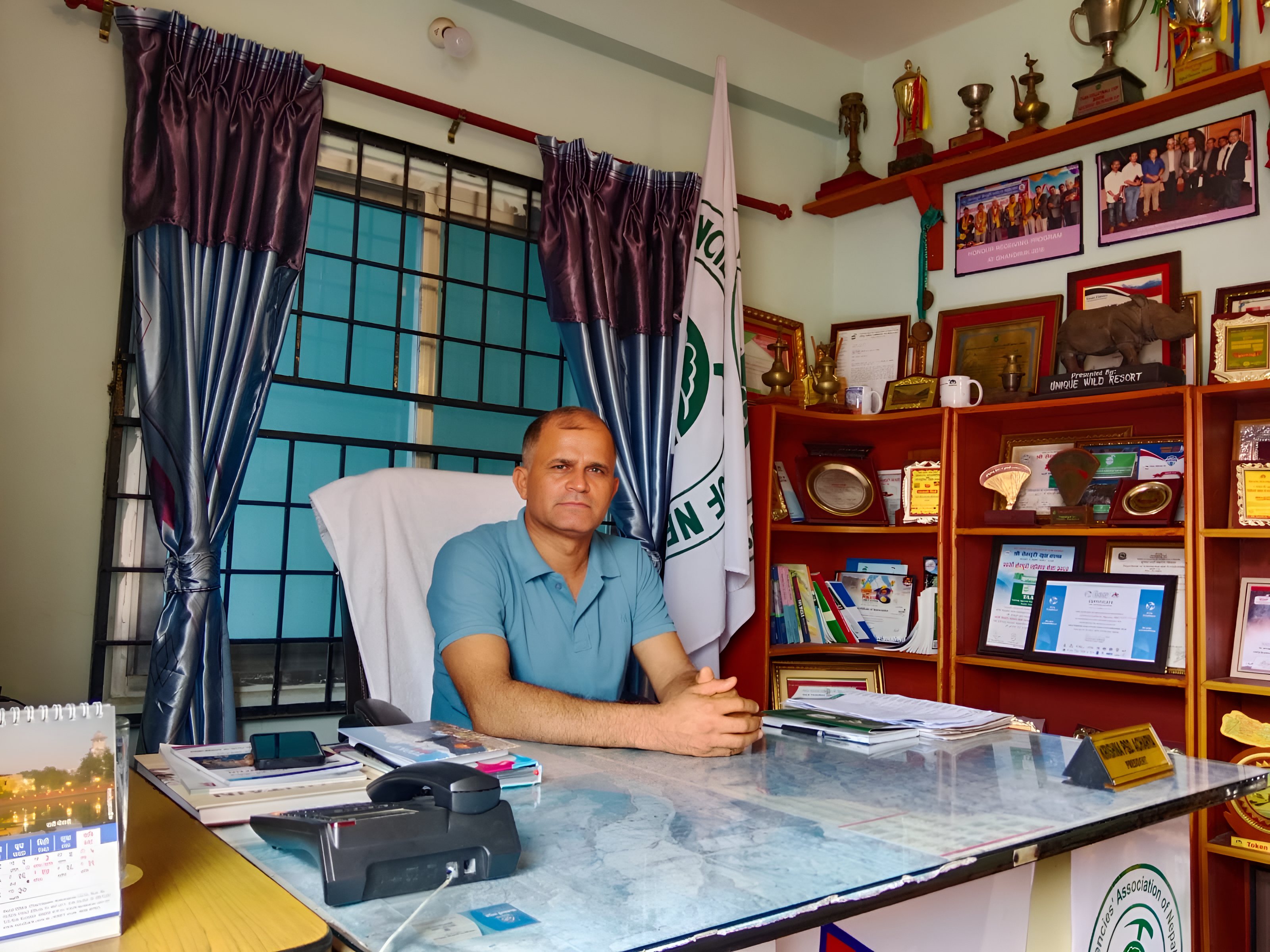
Krishna Prasad Acharya, President of the Trekking Agencies’ Association of Nepal (TAAN) for Gandaki Province, expressed serious concern over the situation. “Ashwin and Kartik are the months when the highest number of foreign tourists arrive. Unfortunately, the movement started precisely at this time. The situation is uncertain, and tourists who have already made bookings are hesitant to travel,” he said. Acharya emphasized that unless Nepal conveys the message that it is safe for tourists as quickly as possible, the tourism sector will suffer major losses, which will ultimately affect the national economy.
Measures to Ensure Tourist Safety
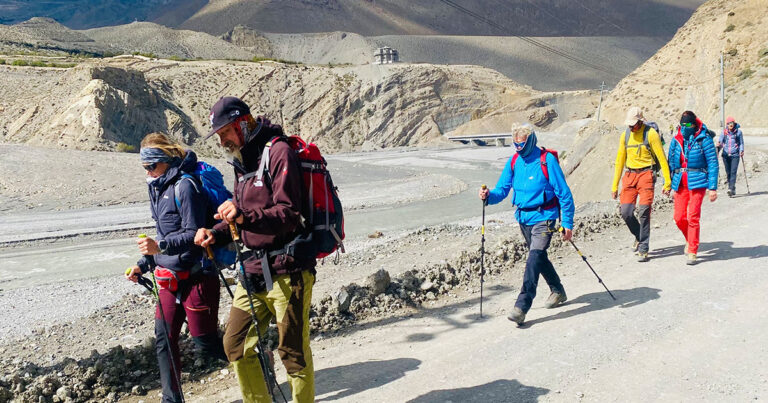
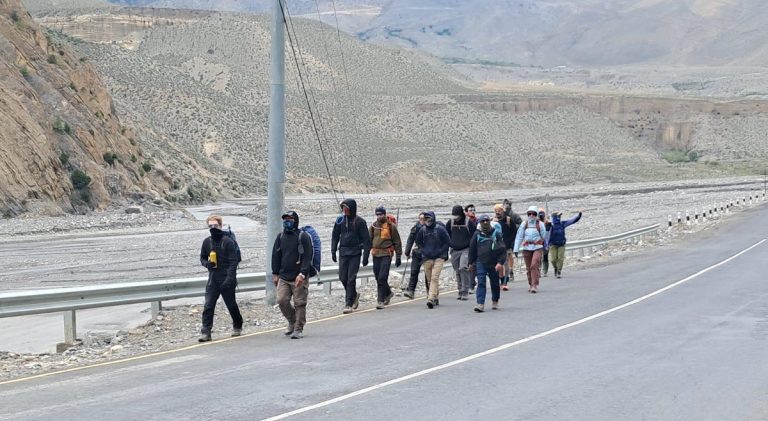
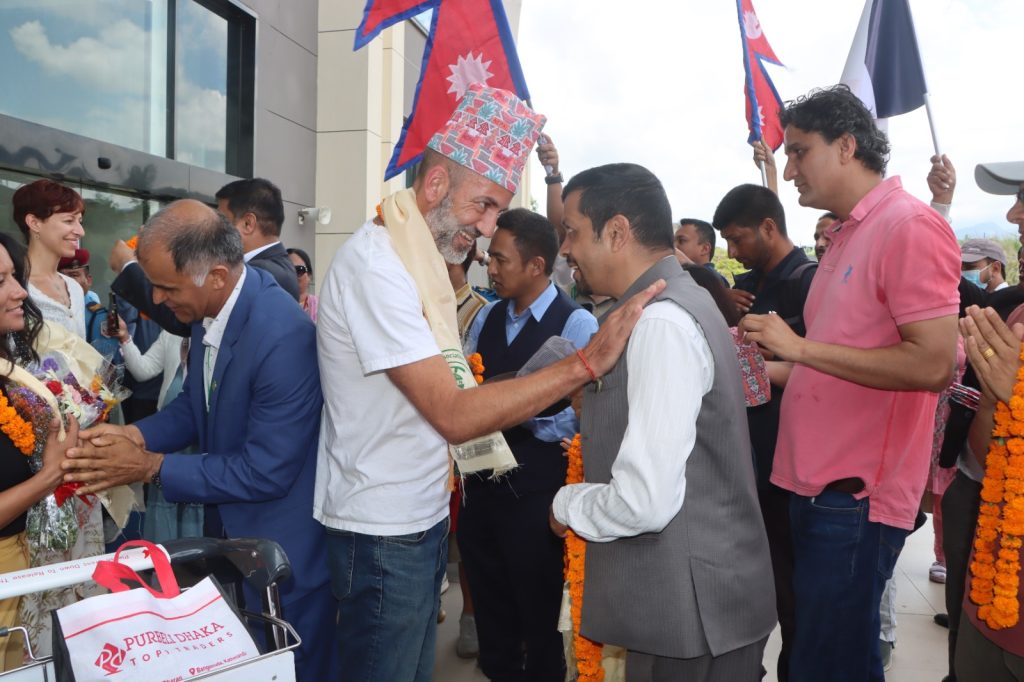
Despite the ongoing unrest, tourism organizations, including TAAN, are actively working to ensure that foreign tourists already in Nepal reach their destinations safely. The focus remains on trekking tourists, who form a significant portion of arrivals during this season. Acharya highlighted that the tourism industry cannot function effectively unless the political situation stabilizes and the country returns to normalcy. Additionally, domestic tourists planning travel during the festival season are also experiencing uncertainty due to the unrest.
Dr. Ravin Kaderiya, head of the Annapurna Conservation Area Project (ACAP), confirmed that the ongoing movement is likely to impact tourist arrivals. “We need a few more days to analyze the figures properly, but the current unrest is certainly affecting the tourism sector,” he said. ACAP manages one of the country’s most popular trekking destinations, which attracts thousands of international visitors annually.
Annapurna Region: A Major Trekking Hub
The Annapurna Conservation Area is internationally renowned for trekking tourism. Last fiscal year, the region welcomed 278,113 foreign tourists, including 157,786 from South Asian countries and 120,327 from other nations. While visitor numbers traditionally decline during the monsoon and winter seasons, trekking activity remains significant during the peak season. The current political unrest, however, threatens this trend, with potential implications for local economies and tourism-dependent businesses.
Foreign tourists often travel by road to key destinations, while trekking enthusiasts prefer trails that pass through Annapurna’s iconic landmarks. Indian tourists predominantly use road transport to visit popular areas such as Muktinath, whereas international visitors generally opt for trekking routes. The recent unrest has raised concerns that even this steady flow of tourists may be disrupted.
Popular Destinations and Tourist Flow
The Annapurna Circuit offers a variety of destinations that attract hundreds of thousands of tourists every year. These include the Annapurna Base Camp, Mardi Himal in Kaski, Ghorepani in Myagdi, Ghandruk village, Tilicho Lake in Manang, Thorong La Pass, Upper Mustang, and the Muktinath area. Other trekking routes like Poon Hill also see a significant influx of domestic and foreign tourists.
Local tourism offices report that while the monsoon and winter months see reduced trekking activity, the peak season usually witnesses a substantial increase in visitor numbers. The political unrest, however, is expected to create challenges for both domestic and international travelers. Businesses that rely on steady tourist inflows, including trekking agencies, guesthouses, and hospitality providers, fear the current instability could result in cancellations and delayed bookings.
Economic Implications for Nepal
Tourism is a major contributor to Nepal’s economy, providing employment for thousands of people in remote areas and supporting local livelihoods. Any disruption during the peak season could have cascading effects on associated sectors such as transportation, lodging, food services, and handicraft sales. Tourism operators emphasize that timely communication regarding safety and political stability is essential to mitigate potential losses.
Acharya stressed that the message of a safe and welcoming Nepal needs to reach international tourists immediately. “If the world perceives Nepal as unstable, it could have long-term consequences for our tourism industry,” he said. Tourism organizations are coordinating with government agencies to ensure tourists experience minimal disruption during their stay, emphasizing that safety remains a top priority.
A Call for Stability and Assurance
Tourism entrepreneurs unanimously stress that a stable political environment is essential to sustain Nepal’s tourism recovery. With international media watching closely, prolonged unrest could tarnish Nepal’s image as a peaceful and welcoming travel destination.
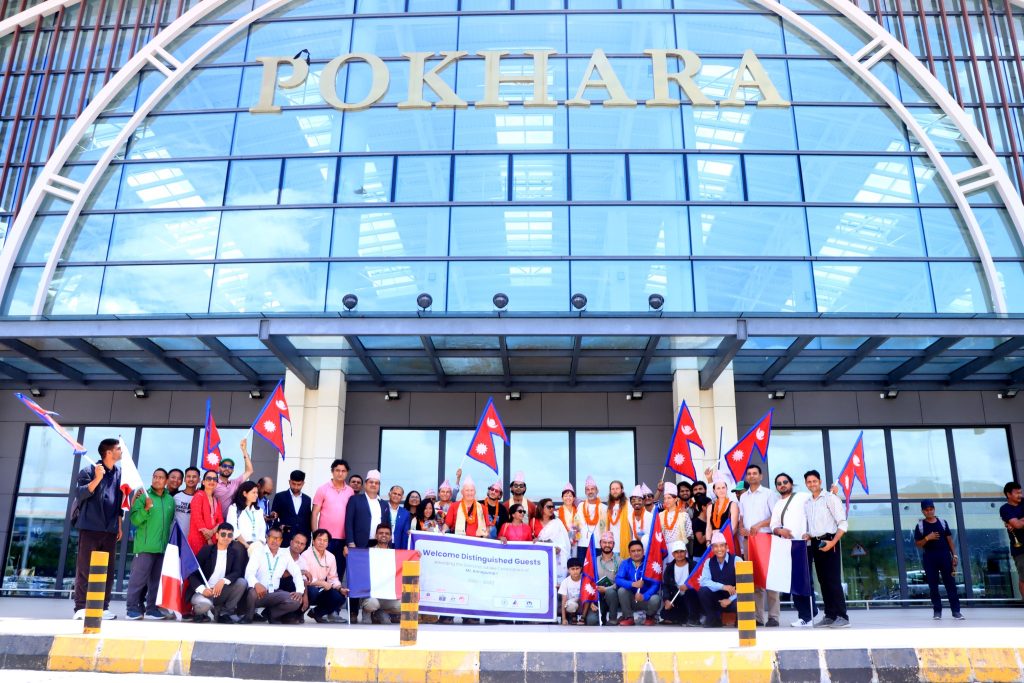
Despite the uncertainties, Acharya concluded with a message of optimism. He reassured potential visitors that Nepal remains safe for travel. “Our trekking trails, cultural sites, and natural wonders are open, and tourists can move without hesitation. The tourism community is working tirelessly to ensure smooth and secure travel experiences. Nepal is safe, and we warmly welcome guests from around the world,” he said.
Looking Ahead
While the current situation poses challenges, stakeholders hope that swift political resolution and improved public communication will stabilize tourist confidence. Both domestic and foreign tourists play a critical role in sustaining Nepal’s tourism sector, and proactive measures are being taken to safeguard their travel experience. With festivals and trekking season approaching, tourism operators remain hopeful that the industry can rebound if stability is restored quickly.
Nepal is entering its most active tourism months amid a backdrop of political unrest. Peak season, which usually draws thousands of foreign trekkers and domestic travelers, faces potential setbacks. Tourism operators and conservation authorities are working to ensure the safety of visitors while emphasizing the importance of stabilizing the political environment to protect the sector’s long-term growth and contribution to Nepal’s economy.