The Global Accessible Travel Alliance (GATA), established by six leading international organizations, aims to improve accessibility across tourism, hospitality, business travel and events through shared standards, industry cooperation and practical initiatives. Leading organizations from different segments of the international travel and tourism industry have come together to establish the Global Accessible Travel Alliance (GATA), a new initiative aimed at making travel more accessible, inclusive and convenient for people with disabilities.
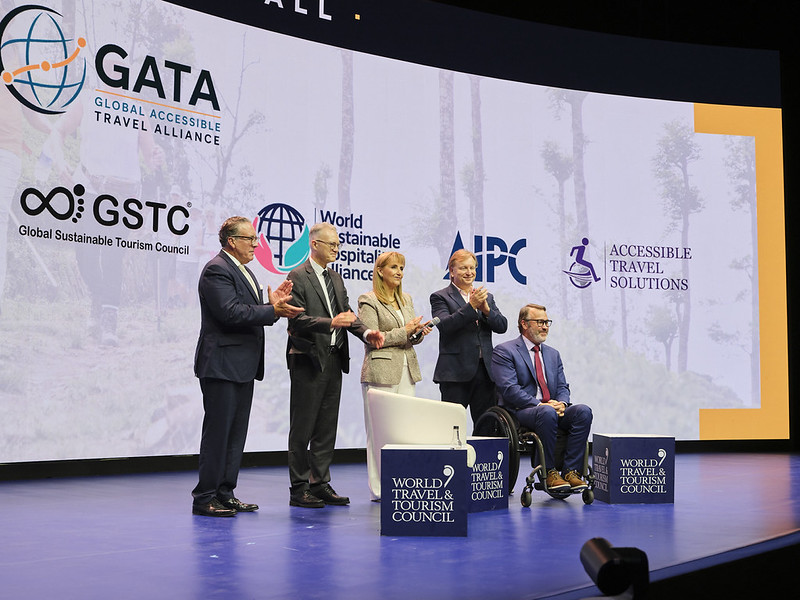
The alliance seeks to address longstanding accessibility challenges by encouraging cooperation among tourism, hospitality, business travel, sustainability and events organizations while promoting consistent approaches to accessible travel across the global tourism ecosystem. The alliance was officially announced in Malta during the World Travel & Tourism Council (WTTC) Global Summit, bringing together representatives from major international organizations working across different areas of the travel and tourism industry.
Through collective expertise, knowledge exchange and coordinated initiatives, GATA aims to encourage travel businesses and service providers to make accessibility an integral part of their operations rather than treating it as a separate requirement. The initiative comes at a time when travelers with disabilities continue to encounter difficulties throughout their journeys. Challenges range from accessing accurate information about travel facilities before departure to navigating airports, transportation systems, hotels, tourist attractions and international events.
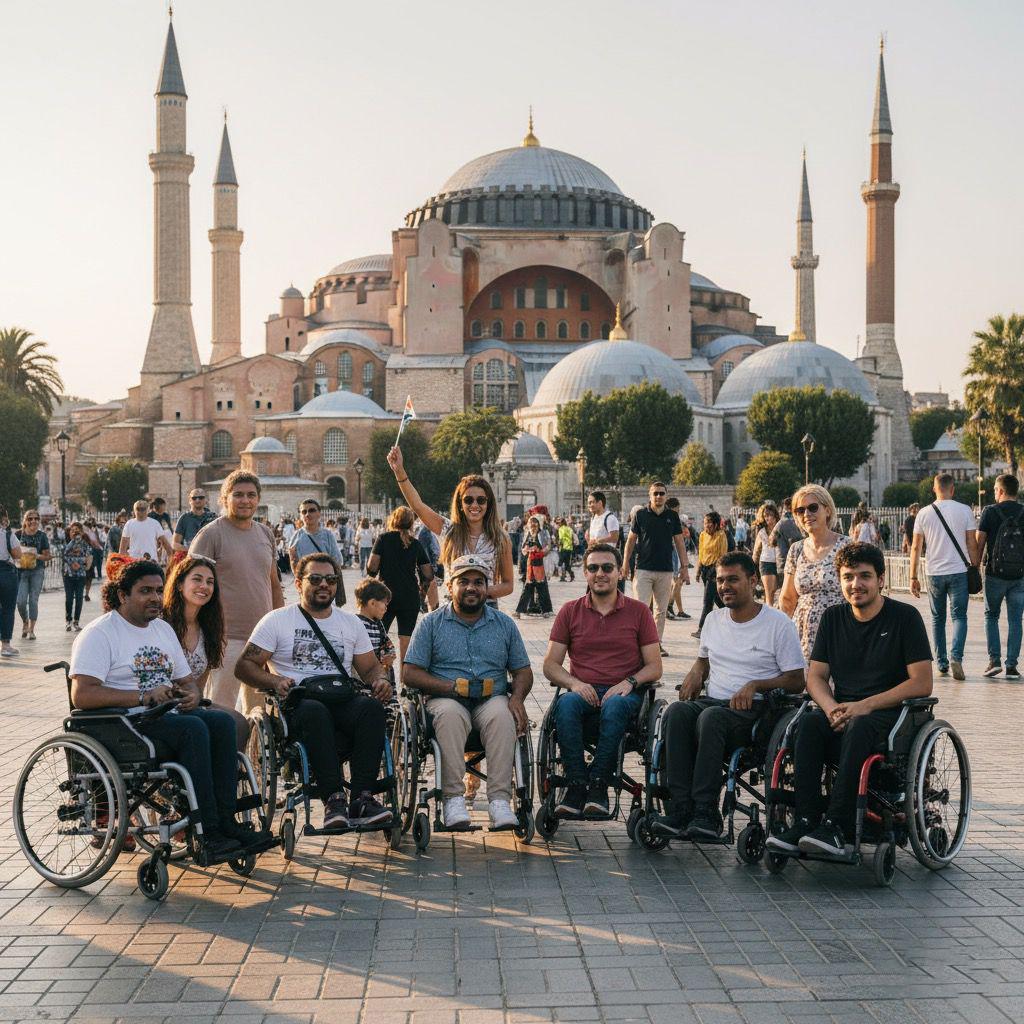
Differences in accessibility standards and the lack of reliable information across service providers often make it difficult for travelers to plan their trips independently and confidently. GATA intends to address these gaps by bringing together industry leaders to develop common accessibility principles, share practical resources and encourage coordinated improvements across different sectors. Its broader objective is to create a travel environment in which people of all abilities can enjoy tourism opportunities with dignity, independence and confidence.
Six Global Organizations Establish Accessible Travel Alliance
GATA has been founded by six organizations representing different but interconnected areas of the international travel and tourism industry. The founding members include the World Travel & Tourism Council (WTTC), Global Business Travel Association (GBTA) Foundation, Global Sustainable Tourism Council (GSTC), World Sustainable Hospitality Alliance (WSHA), International Association of Convention Centres (AIPC) and Accessible Travel Solutions (ATS).
The founding organizations bring expertise in tourism leadership, corporate travel, sustainable destination development, hospitality, international events and accessibility services. Their combined participation is expected to provide a platform for addressing accessibility challenges that cannot be resolved effectively by individual businesses or industry sectors working independently. The alliance will encourage members to exchange knowledge, identify effective accessibility practices and explore opportunities to align existing initiatives. It will also work to minimise duplication of efforts and identify areas where cooperation can produce practical improvements for travelers.

According to WTTC President and CEO Gloria Guevara, making travel accessible to everyone is essential to building a stronger and more inclusive global tourism industry. She highlighted that although tourism creates opportunities for people to explore destinations and experience different cultures, many travelers with disabilities still encounter obstacles that restrict their ability to travel comfortably. Guevara emphasised that improving accessibility should be recognised not only as a matter of fairness but also as an important requirement for the long-term success of the global Travel & Tourism sector. The alliance is expected to help turn this objective into coordinated action by bringing together organizations with the ability to influence different parts of the travel experience.
Business Travel and Events Sector to Strengthen Accessibility
Business travel and international events are among the important areas expected to benefit from greater industry coordination through GATA. According to WTTC’s 2026 Economic Impact Research, business travel expenditure represents nearly 20 percent of total global travel spending, highlighting the importance of ensuring that corporate travel services are accessible to a wider range of travelers. The GBTA Foundation sees the alliance as an opportunity to encourage companies and corporate travel programmes to integrate accessibility into their regular travel arrangements. Its Managing Director, Delphine Millot, said accessibility should become a normal consideration in business travel management rather than being addressed as an exceptional requirement.
She highlighted the importance of creating more predictable and reliable travel arrangements for employees with accessibility requirements. Greater coordination among airlines, accommodation providers, transport operators and corporate travel managers could help reduce uncertainty and improve the overall experience of business travelers. The events and convention industry is another important focus of the initiative. International conferences, exhibitions and business gatherings attract participants from different countries and backgrounds, making accessible venues and facilities essential for wider participation.

Sven Bossu, CEO of the International Association of Convention Centres (AIPC), said accessibility is a key priority for convention centres seeking to ensure that events are open to everyone. He also highlighted the value of exchanging successful practices across different sectors to accelerate improvements in venue accessibility and event management. Through GATA, convention centres and other event industry stakeholders will have opportunities to learn from one another and identify practical ways to make meetings, exhibitions and international gatherings more inclusive.
Accessibility Recognised as an Essential Part of Sustainable Tourism
The establishment of GATA also highlights the growing relationship between accessibility and sustainable tourism development. Sustainability efforts across the travel industry increasingly involve improving how destinations, hotels and tourism businesses serve different categories of travelers. The Global Sustainable Tourism Council (GSTC) considers accessibility an important element of responsible tourism development, with wider participation creating opportunities for businesses to serve more visitors while improving the overall quality of tourism services.
GSTC CEO Randy Durband said improving accessibility offers both social and economic benefits to the tourism industry. He noted that cooperation among different organizations can help businesses share expertise, improve existing practices and make accessible services a more consistent feature of the travel experience. The World Sustainable Hospitality Alliance (WSHA) has also emphasised that accessibility should be considered alongside environmental and social sustainability in the hospitality sector. With more than 1.3 billion people worldwide living with disabilities, the organization views accessible hospitality as an important opportunity for the industry to improve its services and reach a broader range of guests.
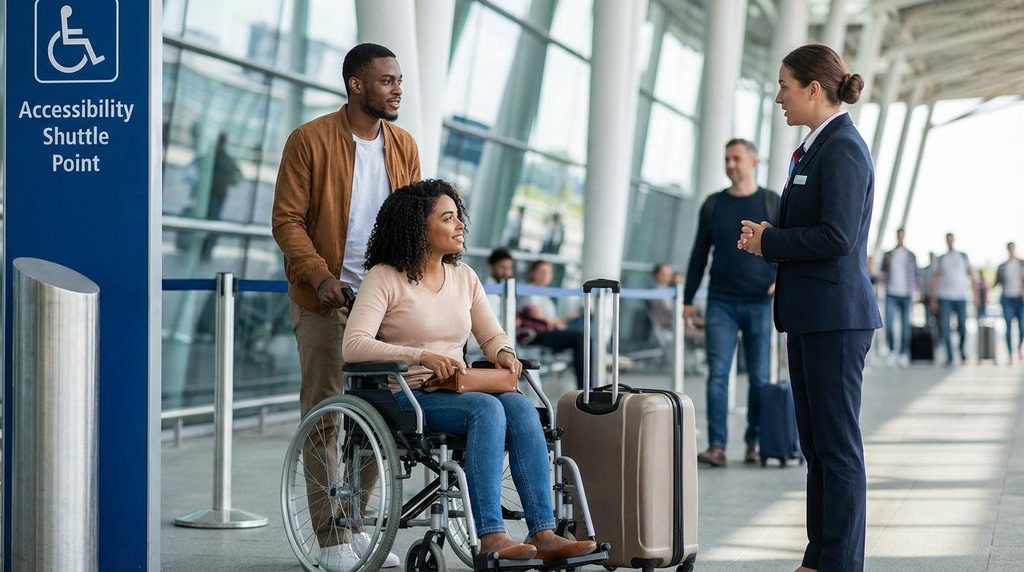
WSHA President and CEO Glenn Mandziuk said a genuinely sustainable hospitality industry must ensure that all guests feel welcome and can access services with dignity. He described GATA as an important platform for bringing together industry stakeholders to improve standards, exchange knowledge and translate accessibility commitments into practical measures throughout the guest journey.
The involvement of sustainability and hospitality organizations is expected to help connect accessibility initiatives with existing efforts to develop more responsible tourism businesses and destinations. This could encourage hotels, tourism operators and destination managers to consider accessibility when designing facilities, developing services and planning visitor experiences.
GATA to Develop Practical Industry Initiatives
Following its launch, the founding members have started working together to establish the alliance’s initial priorities and identify areas where cooperation can deliver measurable improvements for travelers. The platform will provide opportunities for organizations to share their experiences, coordinate relevant initiatives and develop practical approaches to common accessibility challenges. Rather than replacing the work already being carried out by individual organizations, GATA intends to connect existing efforts and encourage greater consistency across the travel industry. The alliance will also seek to identify gaps where collective action can produce better results than isolated initiatives.

John Sage, Founder and CEO of Accessible Travel Solutions and Co-Founder of GATA, said significant efforts to improve accessible travel are already underway across the tourism industry, but many initiatives remain disconnected from one another. He explained that the new alliance would create opportunities for organizations from different sectors to exchange successful approaches, identify common priorities and accelerate improvements through collective action.
The alliance’s long-term vision is to make accessibility a standard feature of mainstream travel, ensuring that accessible facilities and services are integrated into every stage of the visitor journey, from travel planning and transportation to accommodation, attractions and events. With six major international organizations joining as founding members, GATA represents a collaborative effort to advance accessible and inclusive tourism through industry-wide cooperation. Its progress could help establish more consistent accessibility practices, strengthen the capacity of travel businesses and expand opportunities for people with disabilities to participate in tourism and travel experiences worldwide.