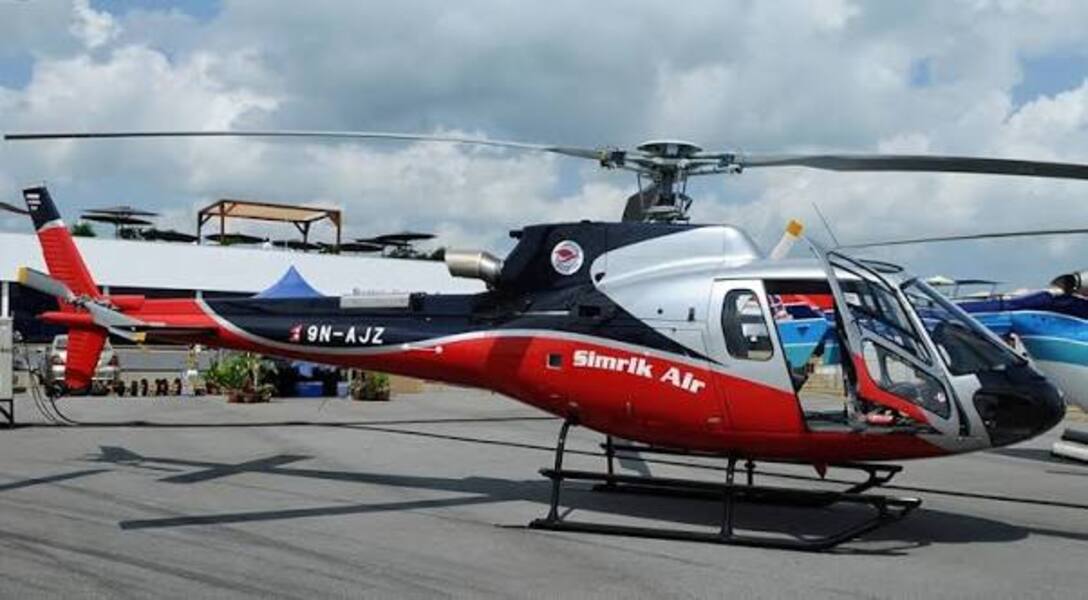
A 25-year-old trekker was rescued by helicopter after suffering from altitude sickness while hiking to Kori Lake in Kaski district, highlighting the importance of altitude awareness and emergency response services on Nepal’s high-altitude trekking routes. Rashmi Pun, a resident of Bardaghat Municipality in Nawalparasi, became unwell during her trek in Madi Rural Municipality–1 on Thursday morning. She was airlifted by a Simrik Air helicopter to Pokhara Academy of Health Sciences for medical treatment, according to the District Police Office, Kaski. Her health condition was reported to be moderate, and she was receiving treatment at the hospital.
Helicopter Rescue Trekker Ensures Emergency Medical Care
According to Deputy Superintendent of Police Birendra Kumar Paswan of the District Police Office, Kaski, Pun suddenly developed symptoms of altitude sickness while trekking towards Kori Lake. Following the incident, a helicopter rescue was arranged to transport her to a medical facility in Pokhara. The air evacuation enabled her to receive medical attention without having to rely solely on a lengthy journey over mountainous terrain. Helicopter services can play a vital role in emergencies on remote trekking routes, where difficult landscapes and limited road access can delay the transportation of sick or injured visitors.

Kori Lake Trekking Route Draws Visitors to the Highlands
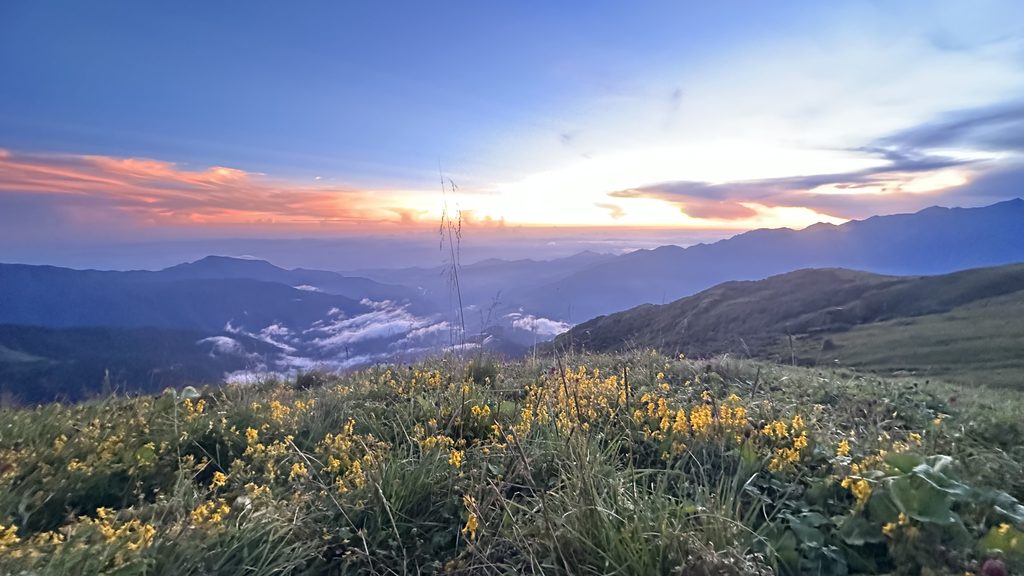
Kori Lake, located in the highlands of Madi Rural Municipality in Kaski, is a trekking destination known for its mountain scenery and remote natural surroundings. The route offers visitors an opportunity to experience the landscapes of Nepal’s high hills and explore less urbanised areas of the Annapurna region.
However, trekking in high-altitude environments can expose visitors to health risks, particularly when they ascend too quickly or do not allow sufficient time for acclimatisation. Altitude sickness can affect trekkers regardless of their fitness level, making preparation and awareness essential before travelling to elevated destinations such as Kori.
Altitude Awareness Important for Trekker Safety
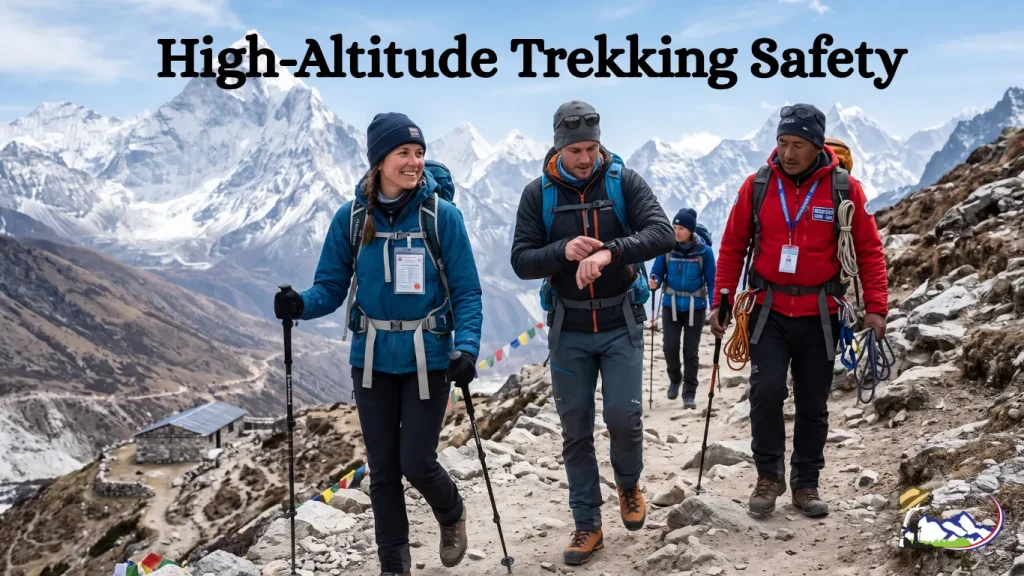
Altitude sickness is a recognised risk on high-altitude trekking routes in Nepal. Symptoms may include headache, nausea, dizziness, fatigue and loss of appetite. Severe symptoms, including difficulty walking straight, confusion or breathlessness at rest, require urgent medical attention and descent to a lower altitude.
Trekkers planning to visit Kori Lake and other highland destinations are advised to ascend gradually, allow time for acclimatisation, remain hydrated and avoid continuing uphill when symptoms develop. Travelling with a knowledgeable guide and checking local weather and trail conditions can also help reduce risks during mountain journeys.
Emergency Preparedness Supports Sustainable Trekking Tourism
The rescue highlights the importance of emergency preparedness in Nepal’s trekking destinations. Coordination among local authorities, trekking guides, rescue operators and health facilities is essential to ensure that visitors can receive timely assistance when medical emergencies occur in remote areas.
As Nepal continues to promote its mountain and trekking destinations, visitor safety remains an important part of responsible tourism. Clear information about altitude risks, appropriate trekking plans and access to emergency support can help travellers enjoy the country’s natural attractions while reducing avoidable dangers on the trails.