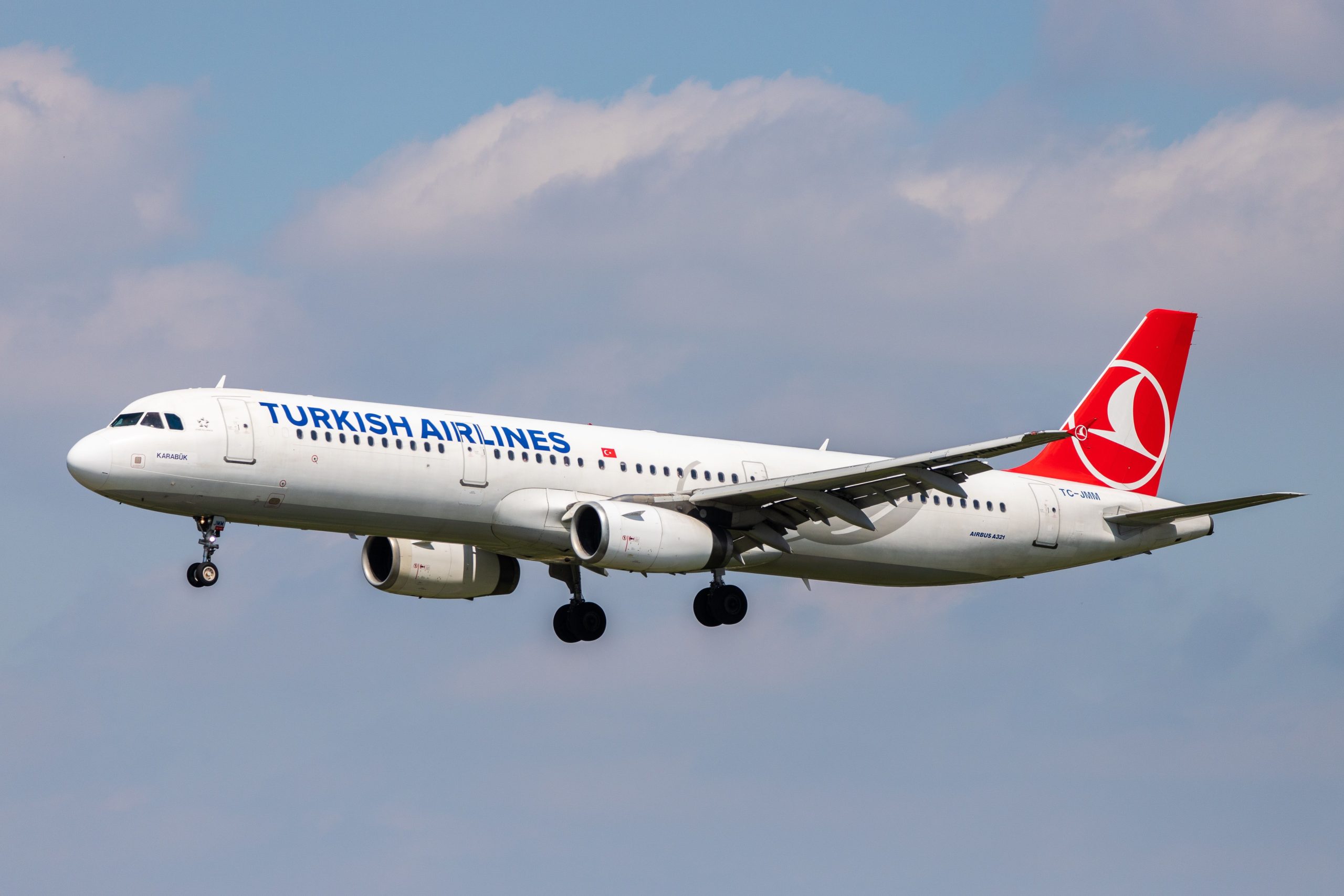
Turkish Airlines reported robust operational performance for January 2026, carrying 7.6 million passengers during the month and recording a 10 percent increase in passenger capacity compared to the same period in 2025.
The airline’s total load factor reached 84 percent, reflecting sustained demand across both domestic and international networks. International load factor stood at 83.7 percent, while domestic routes achieved a higher utilisation rate of 87.5 percent, indicating strong travel activity within Türkiye.

Growth in International Transit Traffic of Turkish Airlines
The number of international-to-international transfer passengers grew significantly, rising by 10.8 percent, from 2.8 million in January 2025 to 3.1 million in January 2026. The increase highlights the airline’s continued role as a major global transit hub connecting Europe, Asia, Africa, and the Middle East through Istanbul.
Capacity Expansion Continues
Available Seat Kilometres (ASK), a key indicator of Turkish Airlines’ capacity, increased by 10 percent year-on-year, reaching 23.7 billion in January 2026, compared to 21.5 billion in the same month last year. The growth reflects network expansion, frequency increases, and the addition of new-generation aircraft to support rising passenger demand.
Cargo Operations Post Strong Gains
Cargo and mail transport also recorded a notable improvement. The airline carried 178.3 thousand tons of cargo in January 2026, marking an 18.8 percent increase compared to January 2025. The rise underscores the airline’s strengthening position in global air freight and logistics services.

Fleet Strength Reaches 522 Aircraft
As of the end of January 2026, the airline’s fleet comprised 522 aircraft, supporting both passenger and cargo operations across its extensive international route network. The reported traffic results are consolidated figures, including operations of the airline’s main brand as well as its subsidiary AJet.
Positive Start to 2026
The January performance signals a strong start to 2026 for Turkish Airlines, driven by capacity growth, increased transit traffic, and expanding cargo demand. The airline continues to focus on strengthening its global connectivity while maintaining high load factors and operational efficiency amid a recovering and increasingly competitive aviation market.