A major technical disruption in the United States aviation system caused widespread flight interruptions across the country, affecting thousands of passengers and disrupting domestic air travel. The nationwide flight suspension, which lasted more than four hours, resulted in thousands of cancellations and delays at airports across the country, creating significant challenges for airlines and travellers. According to the Federal Aviation Administration (FAA), approximately 12,000 scheduled flights were unable to operate during the initial disruption on Friday.
Although flight operations gradually resumed after the nationwide suspension ended at around 8:15 p.m. local time on Saturday, airlines continued to experience delays and cancellations as the aviation system worked to return to normal operations. The incident, considered the longest nationwide flight suspension in the United States in approximately 25 years, affected passengers travelling across multiple domestic routes. Aviation authorities confirmed that the country’s airspace remained safe and that the disruption was linked to a technical problem during infrastructure upgrade work rather than a cybersecurity incident.
Thousands of Flights Affected by Nationwide Aviation Disruption
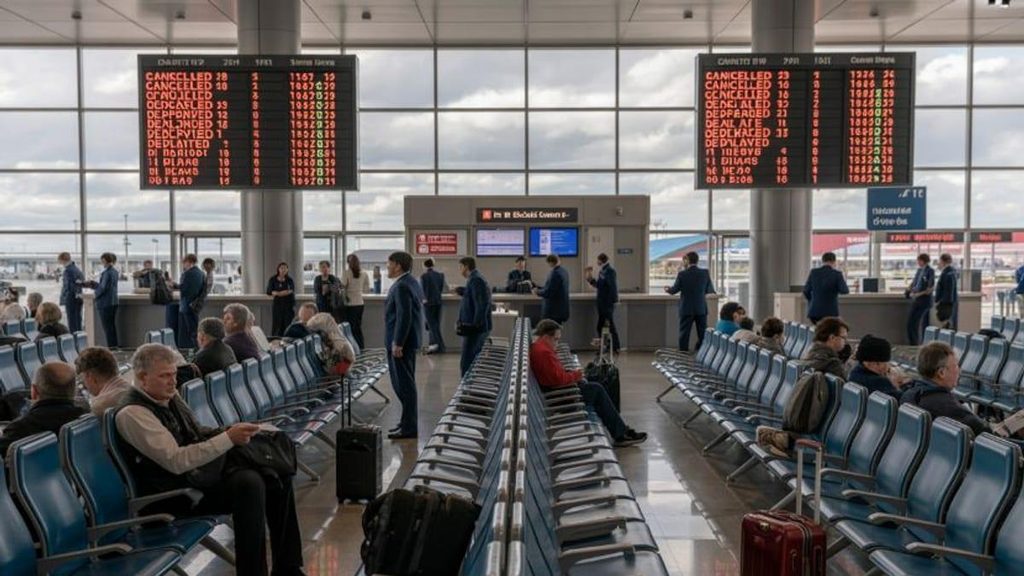
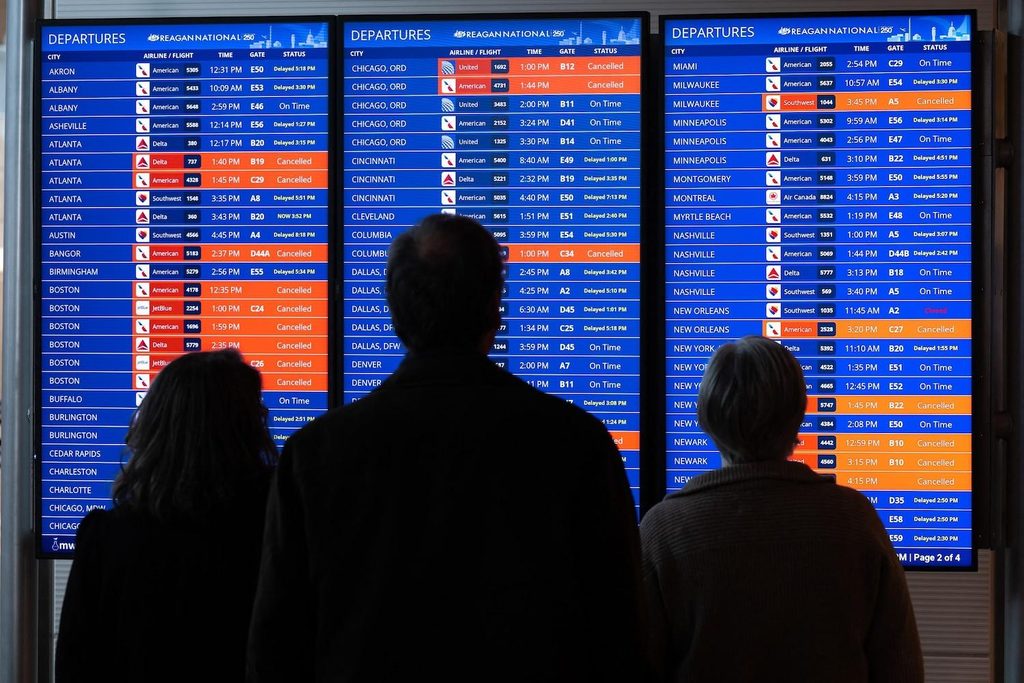
The technical problem caused significant interruptions to flight schedules across the United States, affecting airlines, airports and passengers throughout the country. The FAA reported that approximately 12,000 scheduled flights could not operate during the initial disruption, while around 5,000 flights scheduled for Saturday were cancelled out of approximately 41,000 planned services. The prolonged suspension left thousands of passengers waiting at airports as airlines worked to adjust their flight schedules and arrange alternative travel options. The disruption also affected connecting passengers, whose onward journeys depended on flights operating according to their original schedules.
Although flight services began resuming after the suspension was lifted, aviation authorities warned that delays and cancellations would continue as airlines repositioned aircraft, reorganised crew schedules and managed the backlog of affected passengers. The scale of the disruption demonstrated how a technical problem within the aviation infrastructure can affect air travel across an entire country. FAA Administrator Bryan Bedford said the national air traffic system had stabilised and was operating again. He expressed confidence that flight operations would return to normal by Sunday, although some disruptions were expected to continue during the recovery period.
Technical Problem Linked to Air Traffic System Upgrade
US transportation officials attributed the disruption to a technical problem that occurred while upgrading part of the country’s air traffic management infrastructure. According to Transportation Secretary Sean Duffy, work was underway to replace older copper wiring with modern fibre-optic cables in a remote area of the air traffic system. The problem developed when one section of the system experienced excessive load during the upgrade process. The technical failure affected the operation of the aviation network and led authorities to suspend flights nationwide while the situation was addressed.
The incident highlighted the importance of reliable communication networks and modern technological infrastructure in maintaining efficient air traffic operations. Air traffic management systems depend on continuous communication and data exchange among controllers, pilots and aviation facilities to coordinate aircraft movements safely and efficiently. Meanwhile, US Homeland Security Secretary Markwayne Mullin said there was no indication that the disruption had been caused by a cyberattack.
He also confirmed that the incident had not placed anyone’s life at risk. Authorities emphasised that the country’s airspace remained safe while technical teams worked to restore normal operations. The upgrade of older aviation infrastructure remains an important part of strengthening the reliability and efficiency of air traffic management. However, the incident also demonstrated the need for careful system testing, monitoring and contingency arrangements during major technological upgrades.
Airlines Offer Rebooking and Refund Support to Passengers
Following the widespread flight cancellations, several airlines introduced special passenger assistance measures to reduce the inconvenience caused by the disruption. Airlines waived ticket-change fees and provided affected passengers with options to transfer to alternative flights without additional charges. Passengers whose flights were cancelled were also offered the option of receiving a full refund or being accommodated on another available service. Some airlines extended these flexible arrangements beyond Friday and Saturday to include passengers holding bookings for Sunday and Monday.
These measures were intended to help travellers reorganise their journeys while airlines gradually restored their flight schedules. The flexibility was particularly important for passengers with connecting flights, business commitments, holiday plans and other time-sensitive travel arrangements. The disruption also required airlines to coordinate aircraft availability, crew assignments and passenger transfers to manage the large number of affected bookings. As flight operations resumed, carriers continued working to clear the accumulated delays and cancellations.
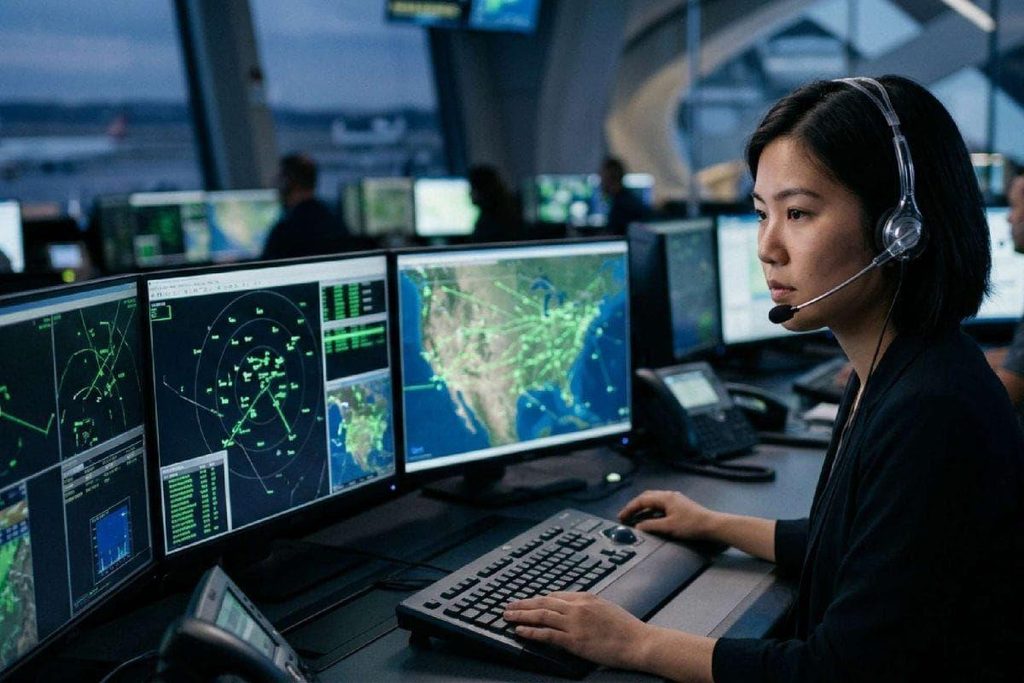
FAA Administrator Bryan Bedford apologised for the inconvenience experienced by passengers and acknowledged the efforts of air traffic controllers, pilots and cabin crew members who continued working during the challenging situation. He said that although some delays and cancellations remained, the system was stabilising and services were expected to return to normal.
US Aviation Authorities Expect Gradual Return to Normal Operations
US aviation authorities reported that the air traffic system had stabilised following the technical disruption, allowing airlines to gradually resume scheduled services. Officials expected operations to return to normal by Sunday, although the recovery process depended on airlines clearing the remaining flight backlog and reorganising their schedules. The incident has drawn attention to the importance of maintaining modern, reliable and resilient aviation infrastructure, particularly in countries with extensive domestic air networks. The United States operates one of the world’s busiest aviation systems, connecting major cities, regional destinations and international gateways through thousands of daily flights.
For the tourism industry, reliable air connectivity is essential for domestic and international travel. Flight disruptions can affect holidaymakers, business travellers, tour operators, hotels and other tourism-related services, particularly when passengers are unable to reach their destinations on time. The nationwide suspension also underlined the importance of coordination among aviation regulators, airlines, airports and technical service providers during unexpected operational challenges.
Effective communication, passenger assistance and alternative travel arrangements play a significant role in minimising the impact of such incidents. As the United States gradually restored its flight operations, authorities continued monitoring the aviation system and addressing the remaining disruptions. The incident serves as a reminder that continuous investment in aviation technology, infrastructure maintenance and operational preparedness is essential to supporting safe, reliable and efficient air travel.
Source-RSS