
The World Travel & Tourism Council (WTTC) has called for stronger collaboration between governments and the private sector to strengthen the resilience of global Travel & Tourism and ensure that future growth delivers lasting benefits for destinations and local communities. Addressing more than 50 tourism ministers and senior government representatives at the 20th anniversary of the WTM London Ministers’ Summit, held under the theme “Strengthening Tourism for a Resilient Future,” WTTC President & CEO Gloria Guevara stressed the importance of preparedness, strong leadership and coordinated action as the global tourism industry faces an increasingly uncertain operating environment.
Travel & Tourism Demonstrates Strong Global Resilience
Drawing on WTTC research covering more than 100 crises, including the September 11 attacks, the global financial crisis, geopolitical tensions, wars and the COVID-19 pandemic, Guevara described Travel & Tourism as one of the world’s most resilient economic sectors. She noted that the industry has repeatedly demonstrated its ability to overcome major disruptions, adapt to changing circumstances and continue contributing to economic development, employment and communities around the world. In 2025, Travel & Tourism generated a record US$11.6 trillion for the global economy, equivalent to 9.8% of global GDP, while supporting 366 million jobs worldwide, meaning approximately one in every nine jobs globally was linked to the sector.

WTTC Sets Out Eight Strategic Priorities
Guevara also highlighted eight global strategic priorities developed by WTTC in consultation with its members over several months. The process included more than 200 interviews with CEOs and industry leaders, with the priorities subsequently approved by WTTC’s Executive Committee. The framework represents the collective views of the global private Travel & Tourism sector and establishes a common agenda for strengthening the industry’s long-term resilience, competitiveness and sustainable growth.
The priorities include enabling safer and more seamless journeys through digital standards and biometric technologies; strengthening destination stewardship while addressing overcrowding; accelerating climate and environmental sustainability; harnessing emerging technologies such as artificial intelligence and robotics; improving crisis preparedness, management and recovery; expanding global connectivity and developing new travel corridors; supporting workforce development, talent retention and mobility; and promoting policies capable of driving investment and creating new growth opportunities. Together, these priorities are intended to provide governments and businesses with a common framework for addressing both current challenges and emerging opportunities across the sector.
Partnerships Must Be Built Before a Crisis
Guevara emphasised that achieving these priorities will require sustained cooperation between governments and businesses, particularly before crises occur. She said effective partnerships should not be created only when an emergency emerges, but should instead be established in advance so that governments and companies can exchange information, coordinate decisions and respond more rapidly when disruptions occur. The WTM London Ministers’ Summit itself demonstrated the value of this approach by bringing together public- and private-sector leaders to share experiences, identify common challenges and explore practical solutions for strengthening tourism resilience.
Gloria Guevara, President & CEO of WTTC, said: “Travel & Tourism has shown time and again its extraordinary resilience, and that gives us a strong foundation to build on. When governments and the private sector plan together, we can anticipate challenges rather than simply respond to them. Our ambition goes beyond recovery: together, we can build a stronger, more resilient sector that protects our natural and cultural assets, creates opportunities for local communities and delivers long-term value for destinations around the world.”
Tourism Growth Expected to Reach New Record in 2026
WTTC forecasts continued expansion for the global Travel & Tourism sector in 2026, with its contribution to global GDP expected to reach US$11.9 trillion, marking the sector’s highest level on record. The council also expects Travel & Tourism to grow faster than the wider global economy, while international tourist arrivals are projected to increase by 29.8 million, representing annual growth of 1.9%.
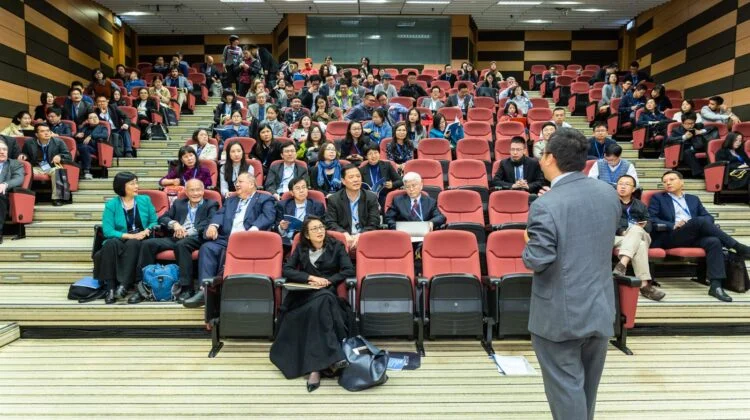
The projected growth reflects continued strong global demand for travel and highlights significant opportunities for destinations, businesses and communities. However, Guevara stressed that the priority should now be to convert this growth momentum into long-term progress by strengthening preparedness, ensuring that local communities benefit from tourism and making future expansion environmentally and economically sustainable.
Private Sector Brings Industry Perspective to Ministerial Summit
The 20th anniversary edition of the WTM London Ministers’ Summit also featured leading WTTC members and senior private-sector representatives, providing industry perspectives alongside government discussions. Participants included Frank Rainieri, Founder and Chairman of Grupo Puntacana, and Hamza Farooqui, Founder and CEO of Millat Group, as well as Rosana Morillo, Vice President of Government Affairs at MSC, and Rajiv Garodia, Senior Vice President and Head of Global Sales & Commercial Operations at Visa Government Solutions.
Their participation reinforced the importance of bringing private-sector expertise into policy discussions and creating stronger links between governments and businesses. The exchange of perspectives highlighted the need for coordinated action to improve the resilience, competitiveness and sustainable development of Travel & Tourism worldwide.
Two Decades of Shaping the Future of Tourism
The WTM London Ministers’ Summit has served as an important platform for tourism ministers, government officials and industry leaders to exchange views, strengthen partnerships and establish shared priorities for the sector. Its 20th anniversary marks two decades of bringing together public- and private-sector stakeholders to address the challenges and opportunities shaping the future of global Travel & Tourism.
As the sector continues to expand, WTTC has reiterated that resilience must remain at the centre of tourism policy and business strategy. Stronger preparedness, sustainable destination management, technological innovation, workforce development and coordinated crisis response will be essential to ensuring that the benefits of tourism growth extend beyond businesses and governments to local communities and destinations.
WTTC’s Role in Global Travel & Tourism
The World Travel & Tourism Council (WTTC) is the global body representing the private sector of Travel & Tourism and serves as a leading authority on the sector’s economic and social contribution. Its membership includes chairmen, presidents and CEOs of leading travel and tourism companies across hotels, airlines, airports, cruise lines, tour operators, technology platforms and destinations, representing major regions around the world.
WTTC works to promote sustainable growth across Travel & Tourism by strengthening cooperation between industry leaders and governments, influencing global policy and providing research on the sector’s economic and social impact. Its eight strategic priorities provide a shared framework for public- and private-sector collaboration aimed at unlocking the full potential of Travel & Tourism while supporting its resilience and sustainable long-term growth.