Rs 64.42 million Infrastructure Project Completed, With Tourism Development And Limbu Cultural Heritage Combined. Yangwarak Pokhari in Jor Dhara, Ward No. 4 of Yangwarak Rural Municipality in Panchthar, has become an attractive domestic tourism destination after a five-year infrastructure development project.
The pond, which has religious, historical and cultural significance, has been transformed into a more organized tourist destination with improved facilities and a more appealing surrounding environment. Completed at an expense of Rs 64.42 million, the project aimed to preserve the site and create its potential as a local tourism attraction.
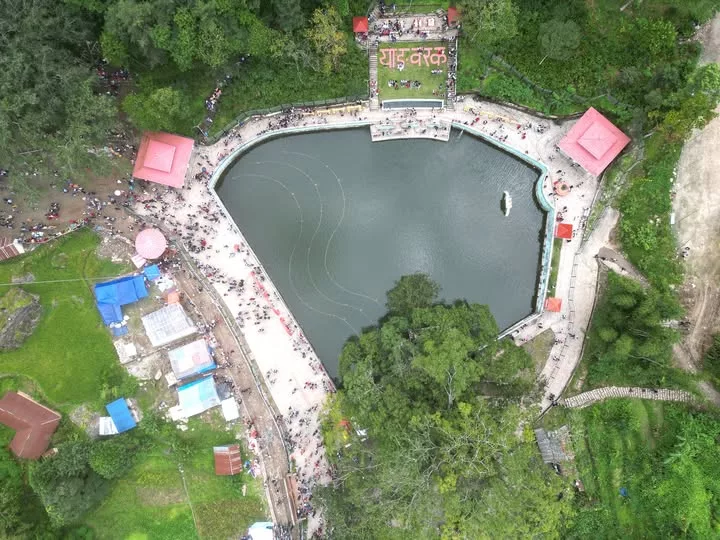
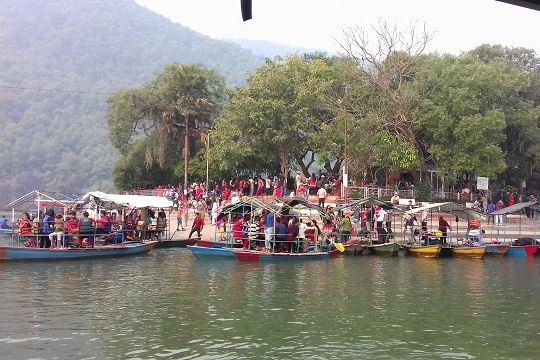
Covers with trees, vegetation, aquatic weeds, water hyacinths and waste, the natural pond has seen significant improvements. The site now features enhanced visitor access, a water fountain, selfie spots and properly organized railings to enhance the visitor experience.
Measuring approximately 50 metres long, 50 metres wide and seven metres deep, the pond has been developed into a more accessible and visually compelling tourism destination. The construction was undertaken by S.M. Joshi Ashu JV of Kathmandu to help conserve the pond and make it more appealing to visitors.
New Visitor Facilities Strengthen Panchthar’s Tourism Potential
New facilities at the location include traditional water taps, a children’s park, rest areas, religious statues, selfie spots, flower gardens, an entrance gate, a Yangwarak pillar and a water fountain. According to Yangwarak rural municipality chairperson Bhim Bahadur Yongya (Subas), the facilities were created to improve the site and make it more attractive to visitors.
While the main structures were completed around two years earlier, the boundary fencing, painting and other finishing touches were left pending. The municipality has now completed the remaining work and has officially inaugurated the developed pond.
The project was a step towards attracting visitors to prominent destinations in eastern Nepal, including the Pathibhara Devi Temple, Timbung Pokhari in Taplejung and Chiwabhanjyang, the starting point of the Mid Hill Highway. Yangwarak Pokhari has seen increased domestic visitor numbers, with hundreds of tourists reportedly visiting the site daily.
Chairperson Yongya stated that the municipality is conducting a feasibility study to see the ways in which it can generate revenue from the site. While no specific model has been announced, the increased visitor numbers can provide the municipality with an opportunity to explore the area’s tourism potential and long term management.
Limbu Religious Traditions Give The Pond A Unique Identity
Yangwarak Pokhari is not just a natural attraction, but also an important site of religious and cultural significance for the Limbu community. According to local legend, the name combines Yang, meaning money and Warak, which means pond. The pond has acquired its name after shiny coins which were found in its waters. Local heritage expert Mahendra Seling explained that the site is also associated with Tagera Ningwaphuma, a revered divine figure whom local belief holds to have bathed there.
According to local accounts, the pond was known before the 12th century by names including Hang Warak, meaning a pond where a king bathed and Mang Warak, referring to a pond associated with the presence of a deity. Another important heritage site in the area is Nishan Kalika Dham, a shrine located beneath a large tree near the pond.
A local priest and former Yangwarak 4 ward chairperson Shahar Nanda Yonghang said that religious worship at the shrine has continued since the pond’s origin. Conservation and fencing work at the shrine have been completed with an investment by the municipality and the family of local resident Asmin Idhingo. Additional facilities including vehicle parking, public toilets and a dedicated area for traditional weapon displays have also been established, allowing visitors to explore the area’s religious heritage as well as its natural attractions.
Dashain Ceremonies Preserve The Area’s Historical Legacy
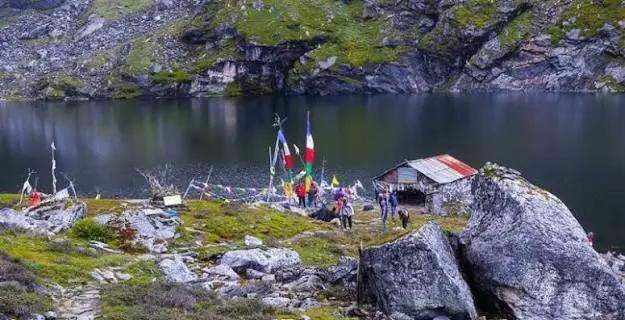
Nishan Kalika Dham is particularly significant during Mahanawami, the ninth day of Dashain, when the traditional Shrikampu and Shrijangi Nishan standards are displayed during annual religious ceremonies. According to local historical accounts, these traditions are connected to a conflict between Gorkhali forces and soldiers of the Yangwarak region, which was a part of the former Limbuwan territory, during Nepal’s unification campaign.
The conflict allegedly ended in an agreement after neither side secured victory, with the Gorkhali forces presenting two Nishan standards as gifts. The annual display and worship of these standards will continue to preserve the area’s historical and cultural traditions. Traditional swords, khukuris, and other weapons associated with the conflict are also displayed during the ceremonies.
The area is known as 52 Maulo, referring to the tradition of 52 Limbu groups gathering there to make collective community decisions. Dedicated structures have been built within the Kalika Dham complex to safeguard both Nishan standards. Along with the pond’s improved tourism infrastructure and its religious significance, the area’s historical traditions make Yangwarak Pokhari an emerging destination where visitors can experience the natural and cultural heritage of Panchthar.
Source: RSS Nepal