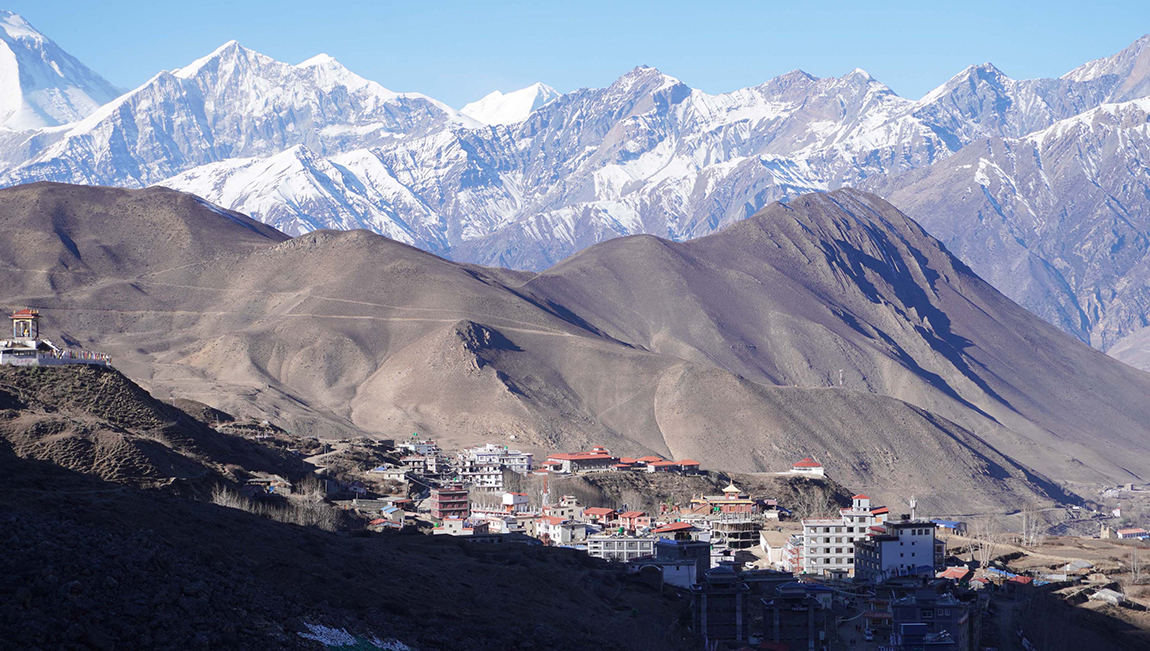
Mustang district has witnessed the deaths of 13 tourists, including nine foreign nationals, due to high altitude sickness as of May 29 this year, raising serious concerns about the safety and preparedness of travelers visiting Nepal’s high-altitude destinations. The fatalities occurred primarily among religious pilgrims traveling to the Muktinath area, one of the country’s most popular spiritual and tourist destinations located at a high elevation in the Himalayan region.
According to the District Police Office, the victims died while undergoing treatment at the provincial hospital in Jomsom after developing severe health complications in the Waragung Muktinath area and Gharapjhong Rural Municipality. Authorities stated that many of the affected tourists began experiencing symptoms related to altitude sickness shortly after arriving in the high-altitude region.

Police Inspector Santosh Basyal informed that among the deceased were three Nepali nationals, while the remaining victims were foreign tourists visiting the sacred Muktinath temple area. The district, situated above 3,000 meters, has become increasingly vulnerable to altitude-related medical emergencies due to the growing number of visitors traveling from lower-altitude regions without proper acclimatization.
High altitude sickness, also known as acute mountain sickness (AMS), occurs when individuals ascend rapidly to high elevations where oxygen levels are significantly lower. Common symptoms include headache, nausea, dizziness, breathing difficulty, fatigue, and loss of appetite. In severe cases, the condition can lead to life-threatening complications affecting the lungs and brain if immediate medical attention is not provided.
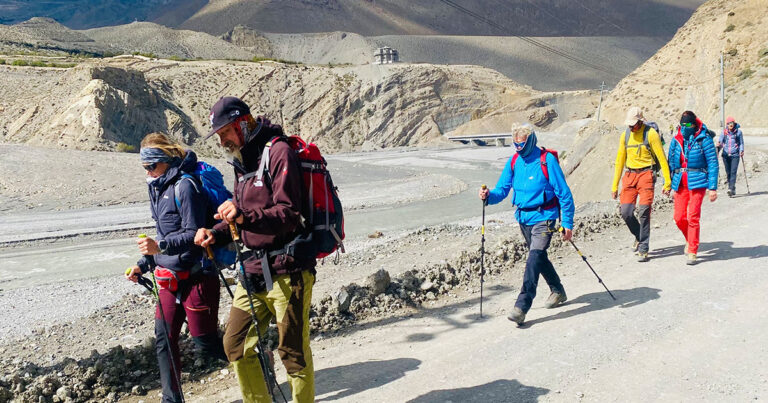
Mustang, Manang, and the Annapurna region have long been recognized as high-risk areas for altitude-related illnesses. In recent years, several tourists and trekkers have lost their lives after failing to acclimatize properly or recognize early warning signs of altitude sickness. Health experts warn that many travelers underestimate the dangers associated with rapid elevation gain, especially during religious pilgrimages and short-duration visits.
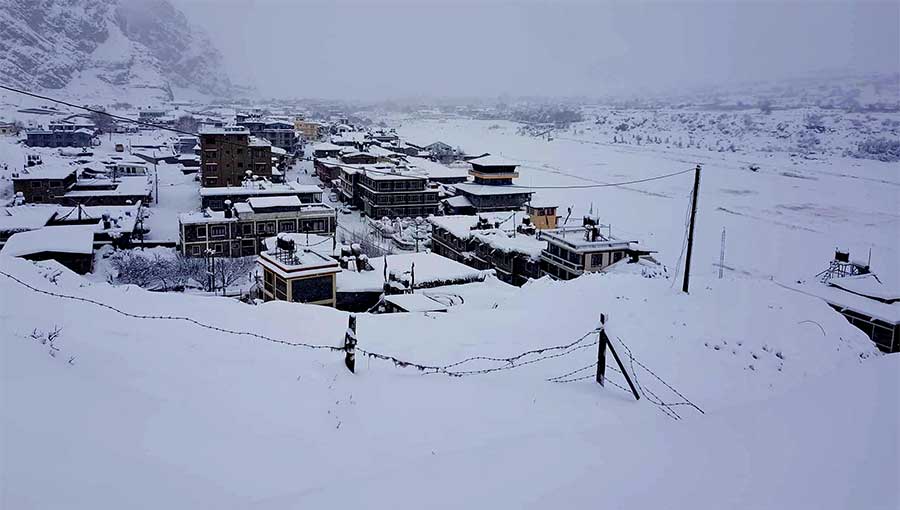
Authorities Launch Awareness Campaigns
In response to the increasing number of incidents, local authorities and tourism-related organizations have intensified awareness campaigns aimed at educating tourists and local businesses about altitude sickness prevention. The Provincial Public Health Office, in coordination with the Annapurna Conservation Area Project (ACAP) and local security agencies, has introduced several safety measures across the region.
Awareness signboards carrying information about altitude sickness symptoms, precautions, and emergency contacts have been installed along major tourist and pilgrimage routes leading to Muktinath. Officials believe these initiatives will help visitors recognize early symptoms and seek timely treatment before conditions worsen.
Furthermore, hotels and lodges operating in the Waragung-1 Muktinath area have been provided with portable oxygen cylinders and essential non-toxic medicines to assist travelers suffering from breathing difficulties and other altitude-related complications. Local tourism entrepreneurs have also been encouraged to monitor the health condition of guests, particularly elderly pilgrims and foreign tourists unfamiliar with high-altitude environments.
Security personnel and healthcare workers stationed in the region have been conducting regular public awareness programmes targeting both domestic and international visitors. Authorities stress the importance of proper acclimatization, adequate hydration, gradual ascent, and immediate medical consultation if symptoms appear.
Lack of Information Remains a Major Challenge
Despite the ongoing preventive efforts, officials acknowledge that insufficient awareness among tourists continues to be a major challenge. Many visitors arrive in Mustang without receiving adequate information from travel agencies, hotels, or tour operators regarding the risks associated with high-altitude travel.

Experts argue that travel companies and accommodation providers must play a more active role in informing tourists about necessary precautions before visiting destinations above 3,000 meters. They also recommend mandatory orientation sessions for pilgrims and trekkers traveling to high-risk areas.
Local authorities have emphasized the need for stronger coordination between tourism agencies, health institutions, and local governments to reduce further casualties. With tourist arrivals increasing every year, officials warn that failure to improve awareness and emergency preparedness could result in more altitude-related deaths in Nepal’s mountain regions. The recent fatalities have once again highlighted the urgent need for comprehensive safety measures to protect travelers visiting Nepal’s world-renowned Himalayan destinations.