The 19th Chitwan Elephant and Tourism Festival–2082 officially began today, Poush 11, in Sauraha, Chitwan. Organized by the Regional Hotel Association Nepal, Chitwan, in collaboration with United Elephant Operation Cooperative Limited, the three-day festival runs until Poush 13.
The festival is a key platform for promoting tourism in Chitwan National Park, a UNESCO World Heritage Site, while highlighting the importance of human-wildlife coexistence and sustainable tourism development. First launched in 1997, the event has grown to become a hallmark of Chitwan’s national and international tourism calendar.
Promoting Tourism and Local Culture
Beyond wildlife and adventure tourism, the festival showcases local arts, culture, language, and traditions. Organizers are also emphasizing support for the women entrepreneurs and the marketing of local agricultural products, reflecting a commitment to inclusive community development.

Digital technologies are being employed for festival promotion, while environmentally friendly structures and exhibition stalls are being set up to minimize the ecological footprint of the event. Hotels and restaurants in Sauraha are offering up to 10% discounts on food and accommodation, aiming to attract both domestic and international visitors. Past festivals have seen a 25–30% increase in the tourist arrivals, benefiting the local economy and hospitality sector.
Elephant-Centered Activities and Welfare Focus
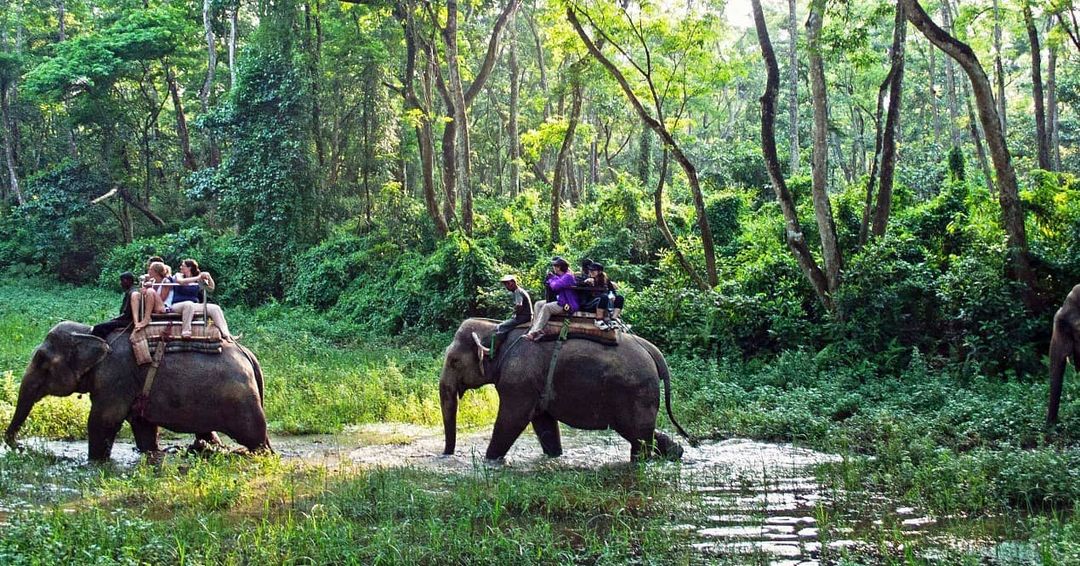
The Chitwan Elephant Festival is renowned for its elephant-themed activities, including elephant picnics, walks, cultural parades, and games such as football and bathing. While elephant polo and beauty contests were previously featured, animal rights concerns have led to their discontinuation to ensure the animals’ well-being.
The festival also raises awareness about the health, welfare, and the conditions of mahouts (elephant handlers). Organizers and conservation groups emphasize respecting the elephants’ intelligence, social nature, and sensitivity, discouraging practices that may compromise their dignity or natural behaviors.
Guidelines for elephant care include avoiding harmful materials such as calcium sulfate, calcium carbonate, or vermilion-based paints, which can irritate the animals’ eyes and skin. These measures reflect growing attention to ethical tourism practices that balance visitor experiences with animal welfare.
Economic and Conservation Balancing Act
Chitwan National Park, a cornerstone of Nepal’s wildlife tourism, faces a delicate balancing act between conservation priorities and economic sustenance. Elephant-driven tourism has long been a major economic driver for the region, supporting both livelihoods and visitor experiences. However, growing awareness of animal rights has created tension, requiring careful management and ethical planning.
Meghauli, once famous for international elephant polo tournaments, has experienced a decline in such activities since the sport was banned in 2013 due to animal welfare concerns. The festival today represents a shift towards activities that prioritize the well-being of elephants while still offering engaging experiences for tourists.
Local Culture, Cuisine, and Community Engagement
Visitors to the festival can also enjoy traditional dances, local costumes, music, and regional cuisine, providing a window into Chitwan’s rich cultural heritage. The event not only entertains but also educates tourists on conservation, cultural preservation, and responsible tourism.

Organizers hope the festival strengthens collaboration between local communities, tourism operators, and conservation agencies, ensuring that Chitwan’s wildlife tourism remains sustainable and inclusive. The festival also aims to reinforce Sauraha as a must-visit destination for domestic and international travelers during the New Year period.
The 19th edition of the festival underscores the ongoing challenge of balancing elephant welfare with tourism development. As Chitwan continues to attract visitors worldwide, the festival serves as both a celebration and a reminder that ethical tourism and community engagement are key to the long-term sustainability of the region.
Through inclusive activities, cultural showcases, and an emphasis on responsible wildlife interaction, the festival seeks to ensure that tourists, local communities, and elephants alike benefit from Chitwan’s thriving tourism sector.