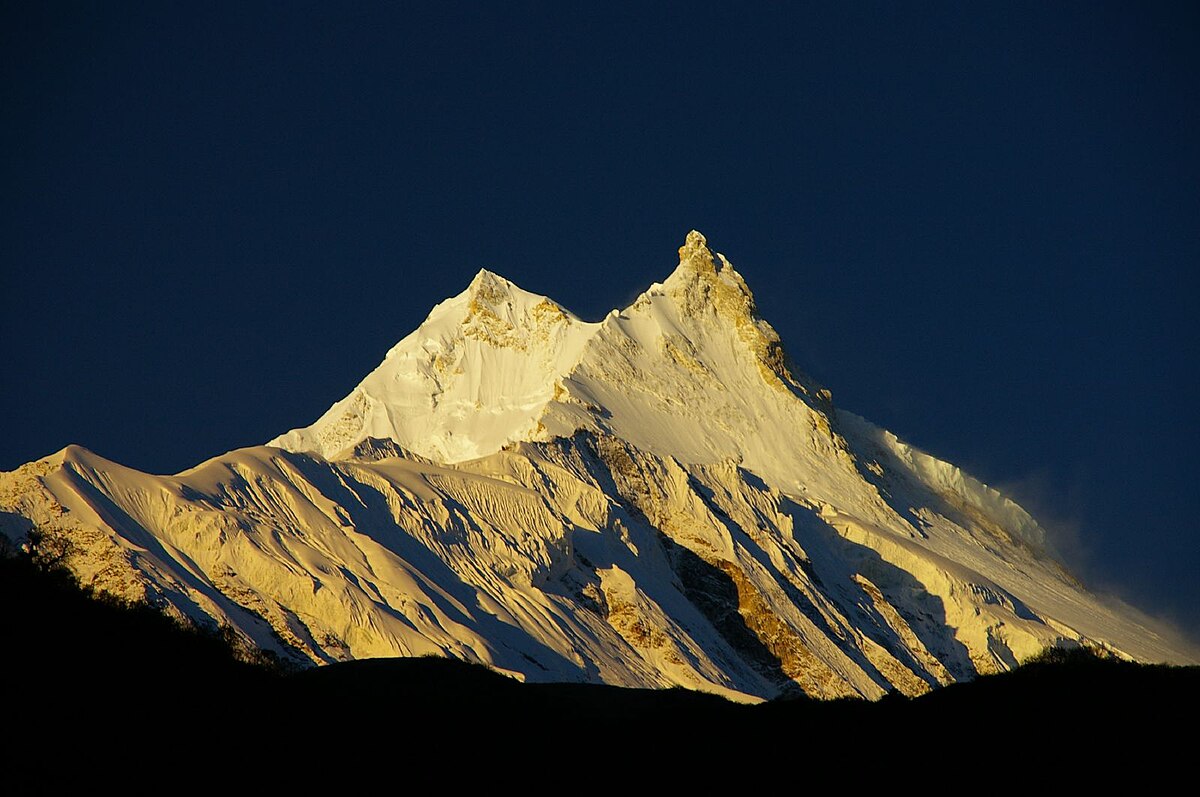
Nepal is celebrating the Platinum Jubilee of Mt. Manaslu this week, marking 70 years since the first successful ascent of the world’s eighth-highest mountain. Standing at 8,163 metres above sea level, Manaslu, also known as Kutang, rises majestically in the Mansiri Himal range of west-central Nepal and remains one of the country’s most treasured Himalayan peaks.
The historic first ascent was achieved on May 9, 1956, by Japanese climber Toshio Imanishi and Nepali climber Gyalzen Norbu Sherpa as part of a Japanese expedition team led by Maki Yūkō. Their achievement not only expanded the limits of mountaineering but also strengthened the deep mountaineering ties between Nepal and Japan. Over the decades, Manaslu has become known as the “Japanese mountain,” much like Everest is associated with the British mountaineering legacy.
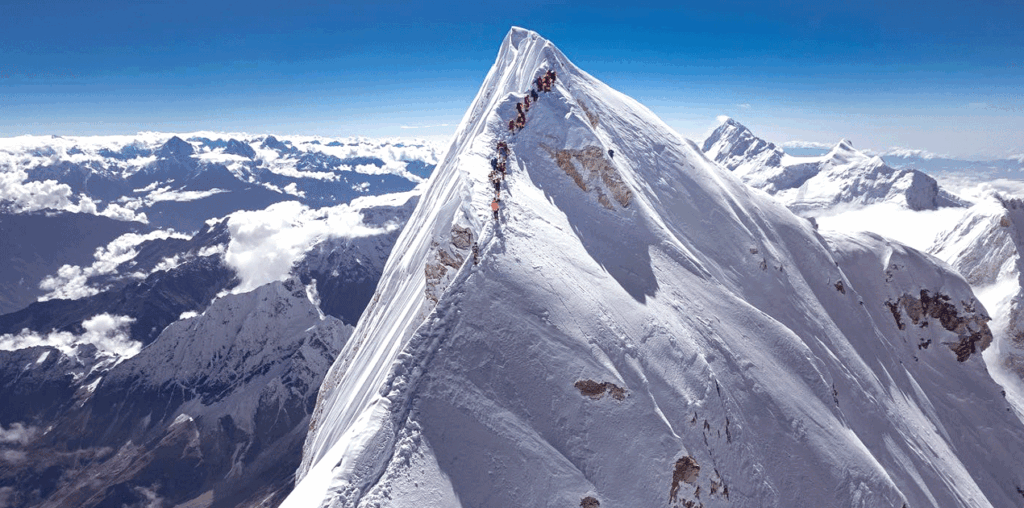
To commemorate the 70th anniversary, special celebrations are being held on May 9 and 10, 2026, in Sama Gaun of Gorkha district and at the International Mountain Museum in Pokhara. The events include the unveiling of statues of Toshio Imanishi and Urkien Tshering Sherpa, the inauguration of a 3D model of Mt. Manaslu by Japanese Ambassador Maeda Toru, presentations on the 1956 expedition by the Japanese Alpine Club, and screenings of documentaries highlighting the historic climb.
The Mountain of the Spirit
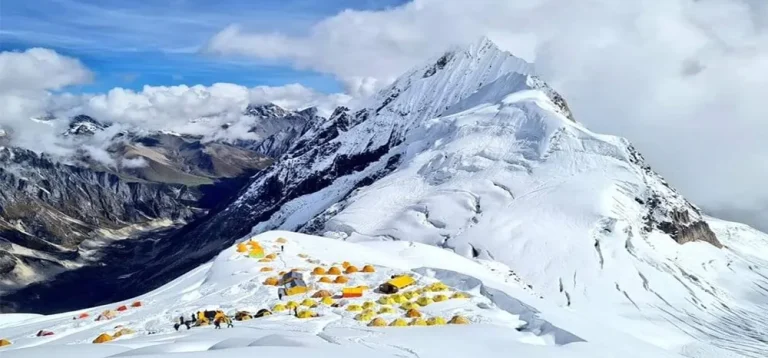
The name “Manaslu” is derived from the Sanskrit word “Manasa,” meaning intellect or soul, and the mountain is often referred to as the “Mountain of the Spirit.” Towering above deep valleys and glaciers, Manaslu is the highest peak in the Gorkha district and lies approximately 64 kilometres east of Annapurna.
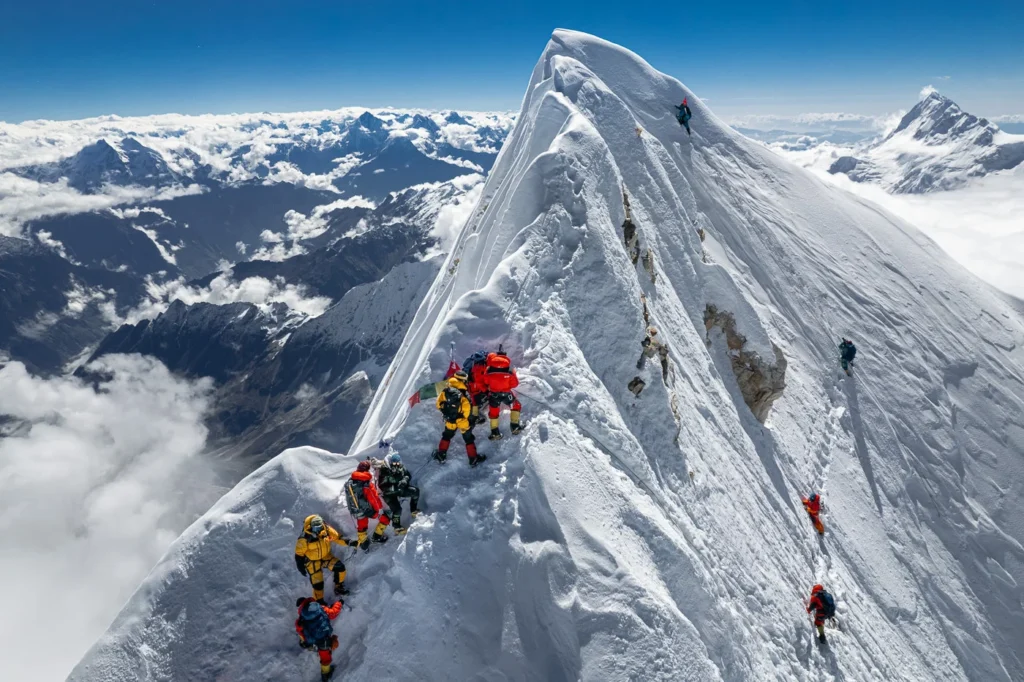
Its dramatic ridges, hanging glaciers, and snow-covered walls create one of the most striking mountain landscapes in the Himalayas. Visible from far distances, the peak dominates the skyline and has long attracted climbers, explorers, and trekkers from around the world.
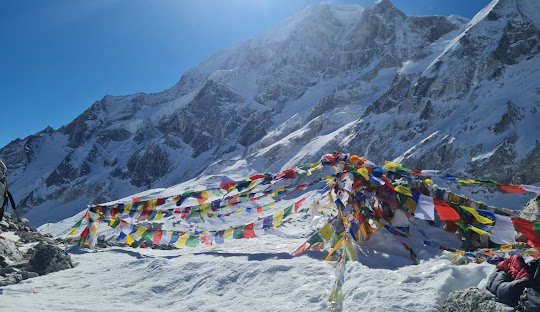
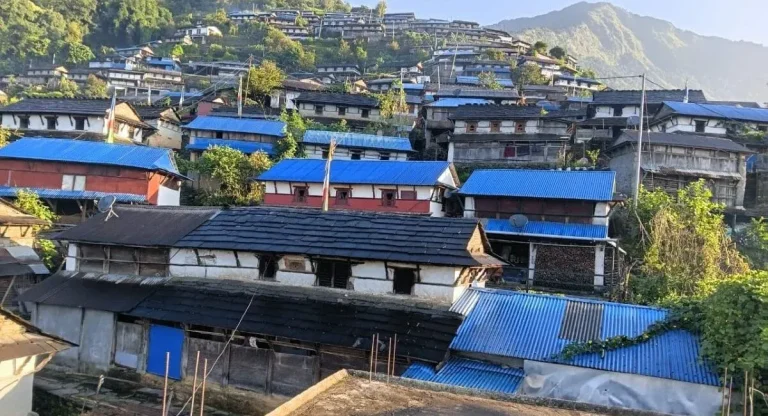
Beyond its mountaineering fame, Manaslu holds cultural and spiritual significance for local Himalayan communities. The mountain and surrounding region are inhabited by diverse ethnic groups whose traditions, monasteries, and lifestyles reflect deep Tibetan Buddhist influences. Villages such as Sama Gaun and Samdo offer visitors a rare glimpse into centuries-old Himalayan culture.
The Evolution of Exploration
Although the first successful summit came in 1956, exploration of the Manaslu region began earlier. British explorer H. W. Tilman first observed Manaslu during an expedition in 1950 while exploring the Annapurna range. Accompanied by Major J. O. M. Roberts, Tilman trekked through the Larkya La region and identified a possible route to the summit.
Between 1950 and 1955, several Japanese expeditions attempted to climb the peak through its north and east faces. Early attempts faced harsh weather, difficult terrain, and resistance from local villagers who believed previous expeditions had angered mountain deities after avalanches destroyed the Pung-gyen Monastery and claimed lives in the region.
Despite the challenges, the 1956 Japanese expedition finally succeeded, forever etching Manaslu into the history of Himalayan mountaineering. Since then, thousands of climbers have attempted the peak, making it one of Nepal’s most sought-after 8,000-metre mountains.
A Trekking Paradise in the Himalayas
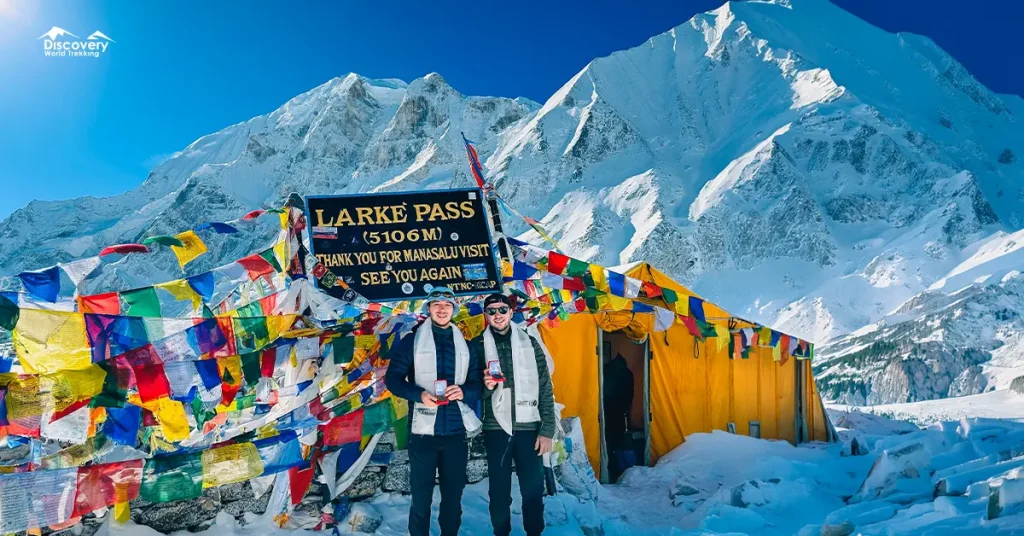
The Manaslu region is equally famous for trekking. The Manaslu Circuit Trek, opened officially to foreign trekkers in 1991, is regarded as one of Nepal’s finest trekking routes. Stretching roughly 177 kilometres, the trail follows ancient salt-trading routes along the Budhi Gandaki River and crosses the spectacular Larkya La Pass at 5,106 metres.
Trekkers pass through lush forests, alpine meadows, glacial valleys, and remote mountain villages while witnessing breathtaking views of more than ten peaks above 6,500 metres. The journey offers both natural beauty and cultural immersion, making it a preferred destination for adventure seekers looking for an alternative to the busier Everest and Annapurna regions. However, the trek also presents challenges. The route is prone to landslides, monsoon impacts, altitude sickness, and extreme weather conditions, testing the endurance and preparation of trekkers.
Conservation and Sustainable Tourism
Recognising the ecological and cultural importance of the region, the Government of Nepal established the Manaslu Conservation Area Project (MCAP) in 1997. Covering 1,663 square kilometres, the conservation area aims to protect biodiversity, preserve local heritage, and promote sustainable tourism.
Managed by the National Trust for Nature Conservation (NTNC), the area stretches from subtropical forests to arid Himalayan highlands bordering Tibet. The region hosts diverse flora and fauna, including snow leopards, Himalayan tahr, and blue sheep, while also supporting traditional mountain communities.
As Nepal celebrates 70 years of Manaslu’s mountaineering legacy, the Platinum Jubilee serves not only as a remembrance of a historic climb but also as a reminder of the importance of preserving the fragile Himalayan environment and the rich cultural traditions of the region. Today, Manaslu stands not just as a mountain, but as a symbol of adventure, endurance, friendship, and the enduring spirit of the Himalayas.