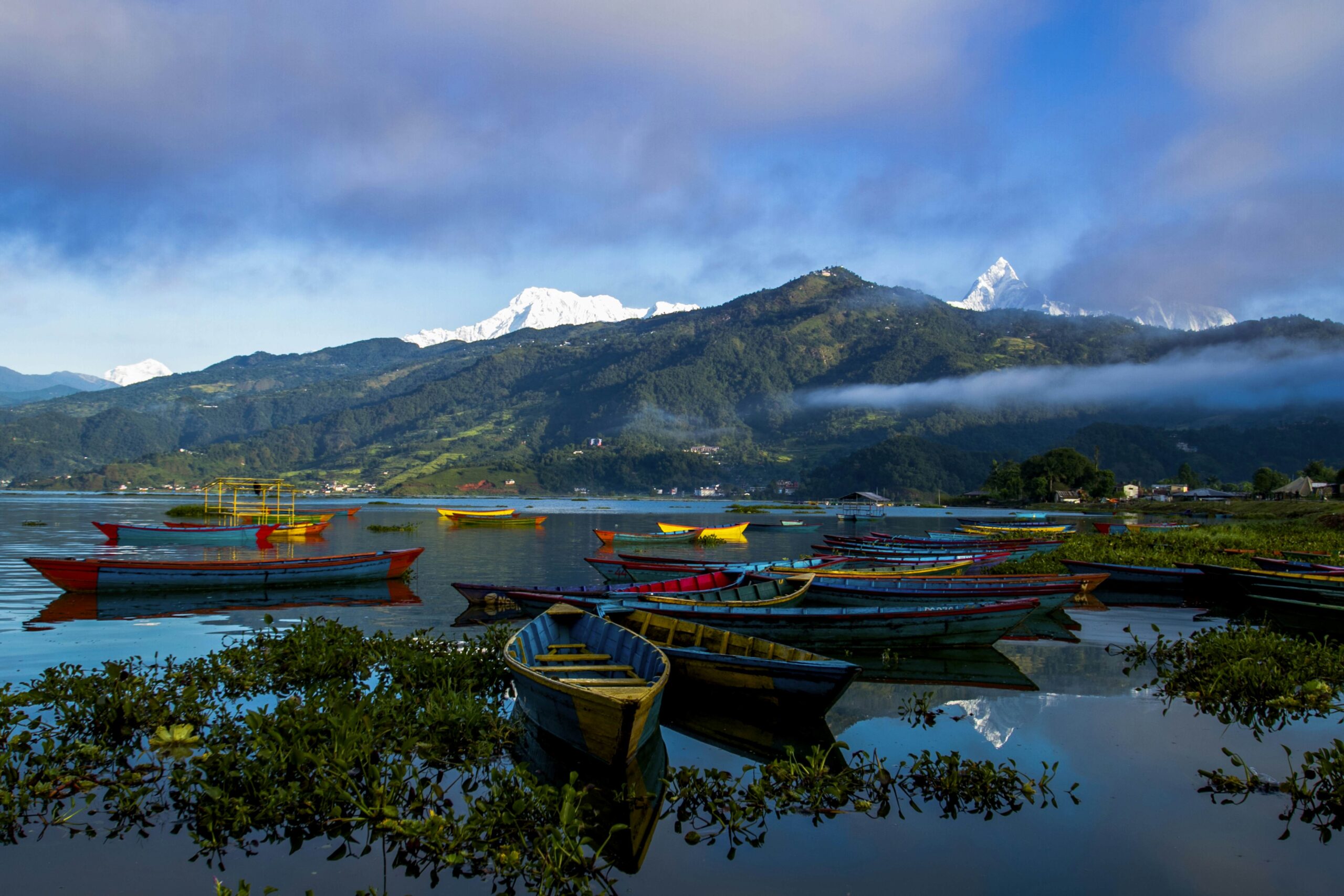
Pokhara’s serene beauty has long inspired travel writers, with its pristine air, stunning snowy peaks, blue lakes, and lush greenery earning it the title of “the jewel of the Himalayas.” Set against the magnificent Annapurna range, the tranquil Cluster of Nine Lakes featuring three major ones: Phewa, Rupa, and Begnas makes Pokhara an ideal destination for both a weekend retreat and a longer, relaxing holiday. As the gateway to the Annapurna region, where trekkers often find their Shangri-la, Pokhara ranks high on Nepal’s must-visit list.
Historically, Pokhara was a vital trade route between India and Tibet, and to this day, mule trains continue to bring goods from remote Himalayan regions like Mustang. The city is predominantly home to the Gurungs and Magars, who are renowned worldwide for their courage as Gurkha warriors. The Thakalis, natives of Mustang’s Thak Khola region, are known for their entrepreneurial spirit, running tea houses along the popular trekking routes in the Annapurna region. Pokhara is also famous for its breathtaking view of the Annapurna range, offering one of the rarest and most spectacular sights on Earth. From an altitude of just 800 meters, visitors can see mountains above 6,000 meters, all within 28 kilometers, unobstructed by other peaks.
Pumdikot
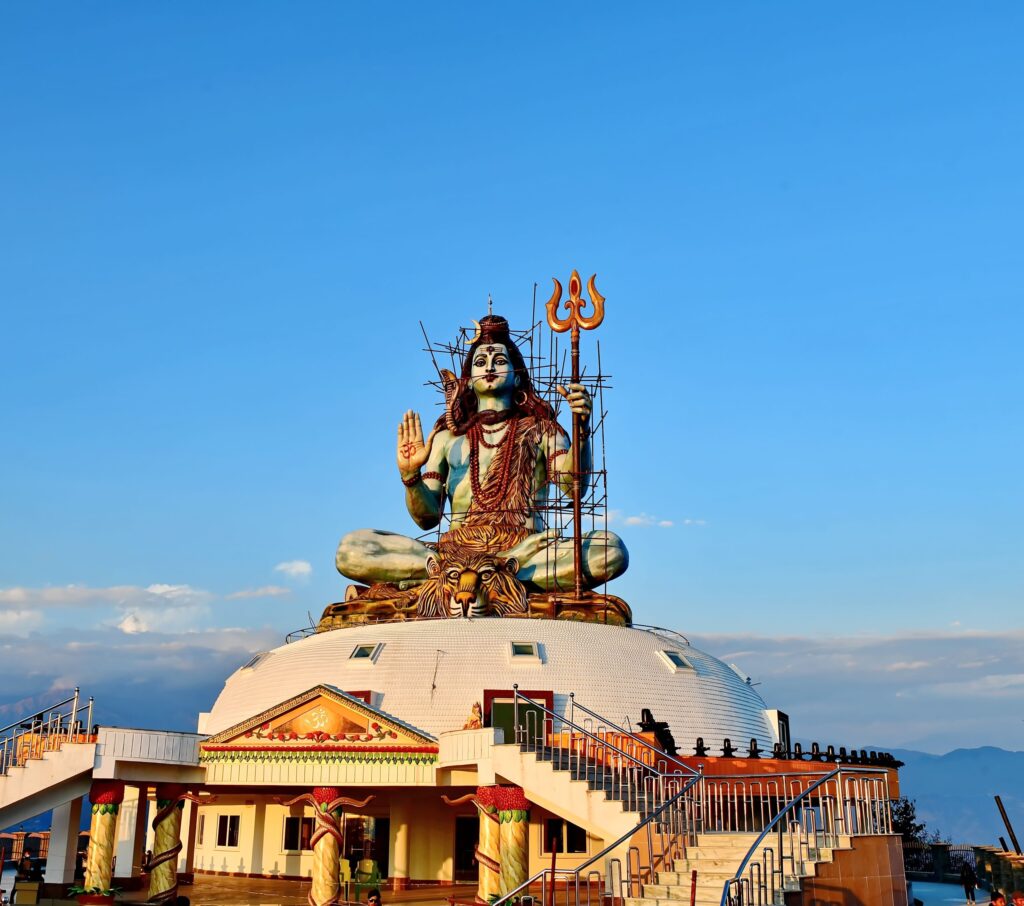
The Pumdikot Shiva Statue, standing 51 feet tall at an elevation of 1,500 meters above sea level, is a towering representation of Lord Shiva. Among its notable features is the 31-foot tall damaru, a symbol of Shiva’s cosmic rhythm. The area also houses 216 Shiva Lingas. Surrounded by the scenic Pokhara Valley to the east, Fewa Lake, lush green mountain lands to the south, and landmarks like Thaple Lek and the revered Panchase temple to the west, Pumdikot Hill offers a stunning panoramic view. The statue faces southwest, in alignment with the belief that Lord Shiva always gazes toward Kailash Parbat.
Beyond its tourist appeal, Pumdikot holds rich historic and cultural significance. In ancient times, a temple dedicated to Bhumeshwor Mahadev stood on this hill, considered a Shaktipeeth a place of divine power where farmers believed their wishes for a good harvest were granted. During the era of the Baise and Chaubise Rajya, the Pumdikot hill served as a strategic fort for the Shah Kings, a key battleground before the unification of Nepal. It is also believed that the Shah Kings prayed here for strength before battling the Nuwakot Kings, considering it a sacred site for victory.
Pumdikot is especially significant during festivals like Bada Dashain or Nawadurga when elaborate pujas and religious ceremonies are held. Farmers pray for protection against natural calamities, lighting aromatic candles and blowing conches (shankha) during daily prayers in the Kartik month. The Bhumeshwor temple and Mai Thaan are also worshipped during Chaite Dashain.
The area also comes alive during Haritalika Teej, attracting large crowds. Locals believe that fasting on Teej and visiting Bhumeshwor Mahadev on this day can make their wishes come true. From Pumdikot, visitors can enjoy breathtaking views of several majestic peaks, including Annapurna, Machhapuchhre, Nilgiri, Dhaulagiri, and Manaslu.
Eight lake
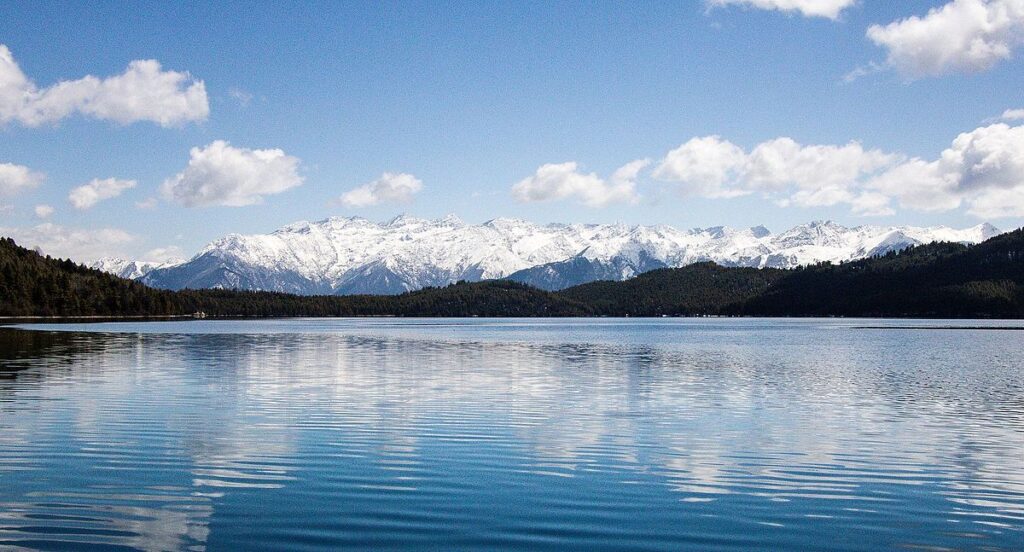
The eight lakes of Lekhnath are located in the Kaski District of Nepal and are Begnas, Fewa, Rupa, Khaste, Deepang, Gunde, Neureni, and Maidi. The Eight Lakes of Lekhnath are part of the Pokhara Valley Lake Cluster, which has been named a Ramsar Site, an international designation for wetlands of global significance. These lakes are vital for preserving the biodiversity of the area, providing habitat for a range of species, and producing revenue from fishing, tourism, and agriculture. They are also essential to maintaining the ecological balance of the region. To protect these freshwater resources’ natural beauty and environmental health, ongoing conservation and ecotourism initiatives aim to promote sustainable use while preserving their unique charm and ecological significance.
Fewa Lake
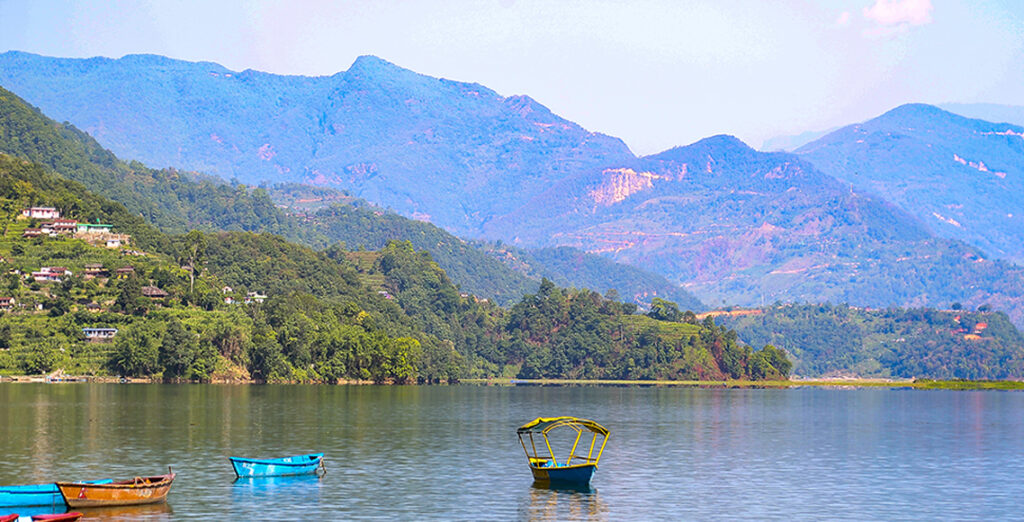
The second-largest lake in Nepal, Fewa Lake (also called Phewa Lake), is situated in Pokhara Metropolitan City. It is among the most well-known and frequently visited natural landmarks in the nation. The Tal Barahi Temple is particularly well-known for its stunning location on an island in the middle of the lake. The lake’s scenic appeal is enhanced by the stunning reflections of the Annapurna mountain range it provides on clear days with view of Pokhara city. A popular tourist destination, Fewa Lake offers a variety of activities like boating, paragliding, and leisurely stays at the numerous hotels and cafes that line its shores. It is a must-see location in Pokhara because of its tranquil beauty and cultural significance.
Begnas Lake
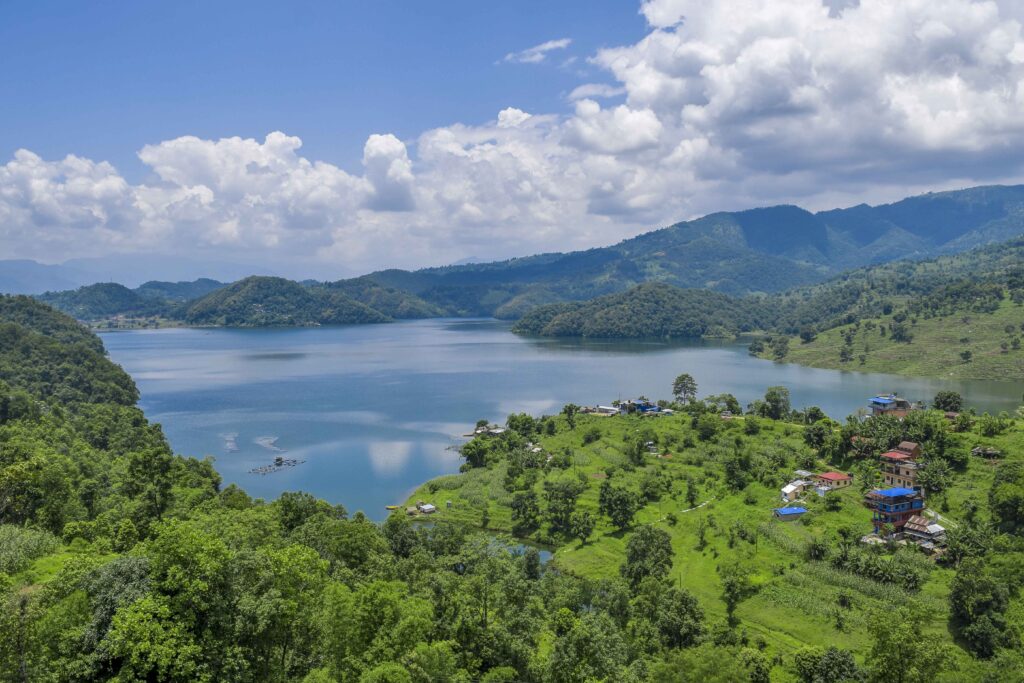
The third-largest lake in Nepal is Begnas Lake, which is situated east of Pokhara. This tranquil freshwater lake offers a serene and picturesque setting, encircled by verdant hills and forests. Begnas Lake is the perfect place for people looking for a more peaceful experience because it is quieter than the busy Fewa Lake. It is well-liked for boating, fishing, and nature retreats, drawing tourists who wish to take in the serene surroundings and the area’s natural splendor. Begnas Lake is the ideal location for leisure and outdoor pursuits because of its serene surroundings and breathtaking scenery in Pokhara.
Rupa Lake
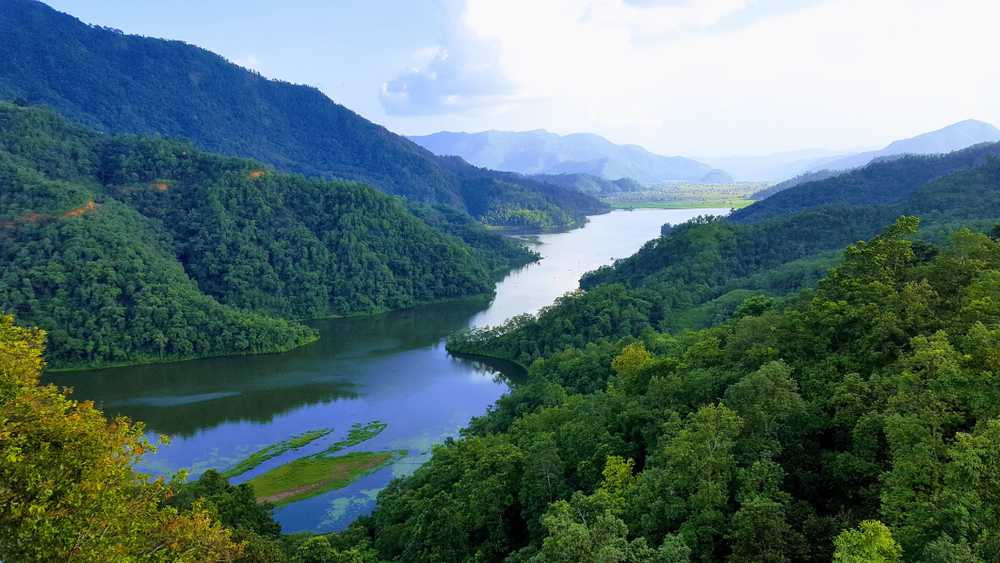
Southeast of Pokhara and close to Begnas, Rupa Lake is a calm, less crowded lake that provides a tranquil diversion from the busy tourist attractions. It is well-known for its serene setting, makes a great spot for birdwatching, and draws photographers and nature lovers. The lake supports a wide range of aquatic life and bird species, making it an important ecological site as well as a wetland habitat. In a serene and pristine environment, Rupa Lake offers guests the chance to experience nature’s beauty and ecological significance with full view of Pokhara.
Khaste Lake
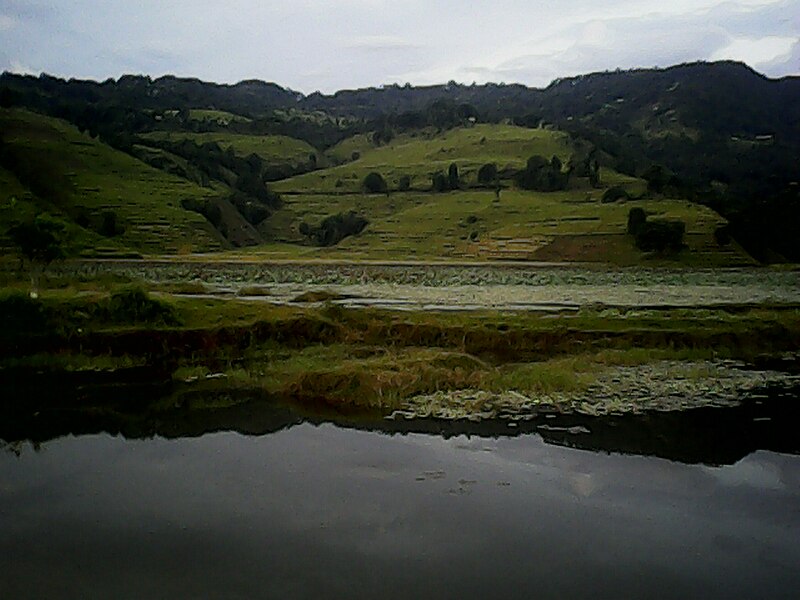
Khaste Lake, a shallow lake close to Lekhnath, is well-known for being a favorite spot for migratory birds. This lake is essential to maintaining biodiversity, especially as a waterfowl habitat. It is a popular location for birdwatching because of its calm waters, which draw a variety of bird species, particularly during migration seasons. The ability of Khaste Lake to serve as a refuge for a wide range of wildlife and support the region’s abundant biodiversity and ecological balance accounts for much of its ecological significance.
Deepang Lake
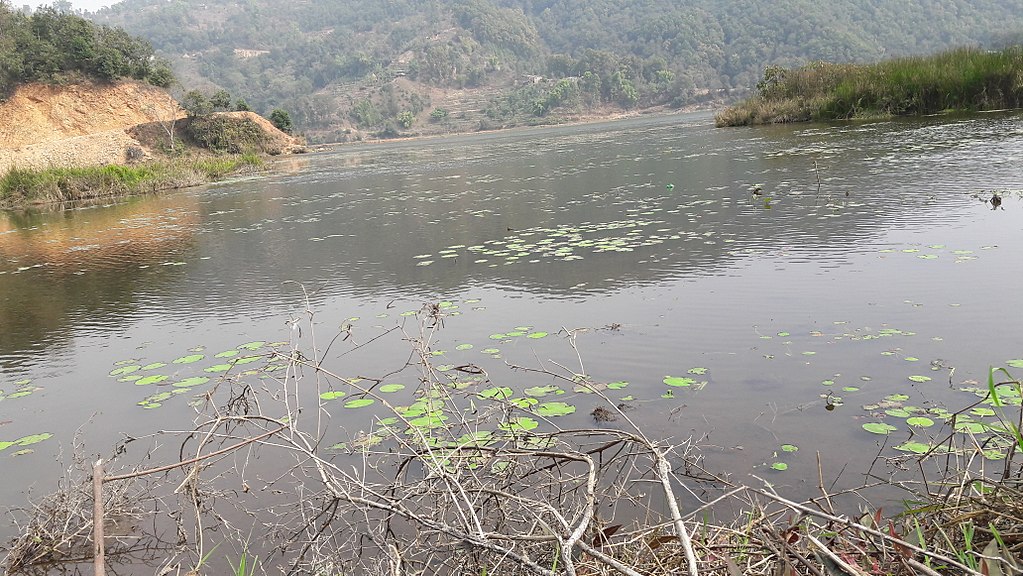
Surrounded by community forests, Deepang Lake is a small and relatively unknown lake in Lekhnath Municipality. For the locals, who frequently come to the lake for introspection and a tranquil getaway, its small size belies its spiritual significance. Deepang Lake is a peaceful location for people looking for seclusion and a closer relationship with nature because of its serene surroundings and breathtaking natural beauty. The area’s spiritual and cultural significance is increased by its serene atmosphere and the nearby forests.
Gunde Lake
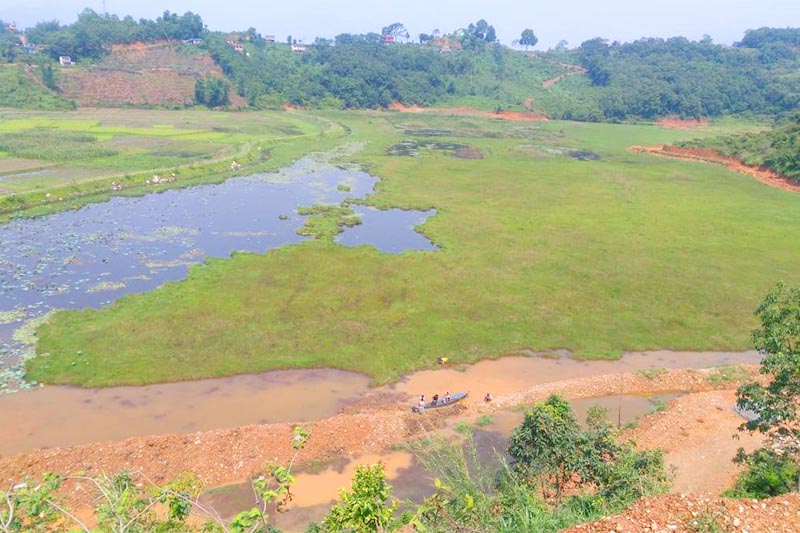
Located between Khaste and Neureni Lakes, Gunde Lake is a small but significant body of water in the Lekhnath region, both ecologically and culturally. Despite being little known, it is essential to preserving the region’s natural equilibrium and promoting local biodiversity. Additionally, Gunde Lake is incorporated into regional conservation initiatives, highlighting the importance of safeguarding its delicate ecosystem. It is an important location for conservationists and nature lovers alike because of its peaceful surroundings and community ties.
Neureni Lake
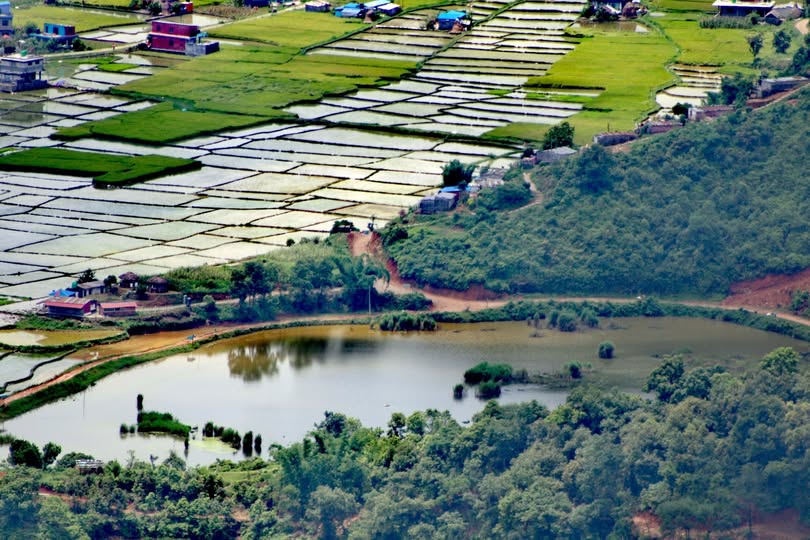
Between Gunde and Maidi Lakes, Neureni Lake is a serene, lesser-known location encircled by verdant hills. For tourists wishing to get away from the crowds and enjoy nature in a more private setting, its serene location is perfect. Neureni provides a secluded haven ideal for introspection and discovery, with minimal tourist traffic.
Maidi Lake
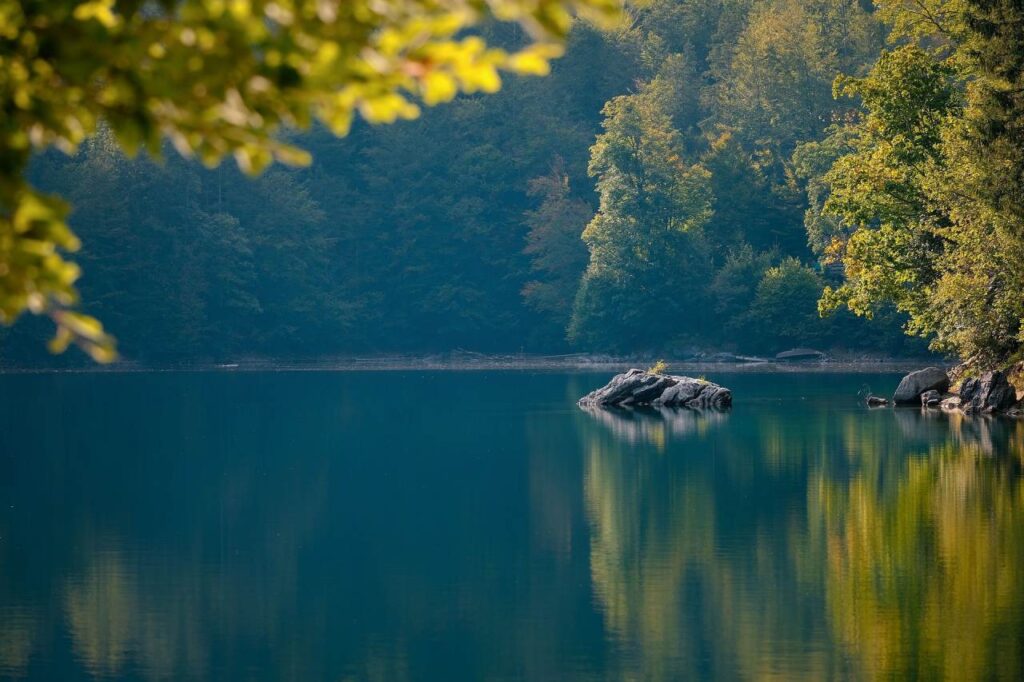
Of the eight lakes of Lekhnath, Maidi Lake is the most isolated, least developed, and least frequented. Because of its unspoiled natural beauty and tranquil surroundings, it has a lot of potential for ecotourism despite its inadequate infrastructure. Maidi may develop into the perfect location for nature enthusiasts and those looking for tranquil, off-grid experiences with the right preservation and sustainable growth.
Bindabasini Temple
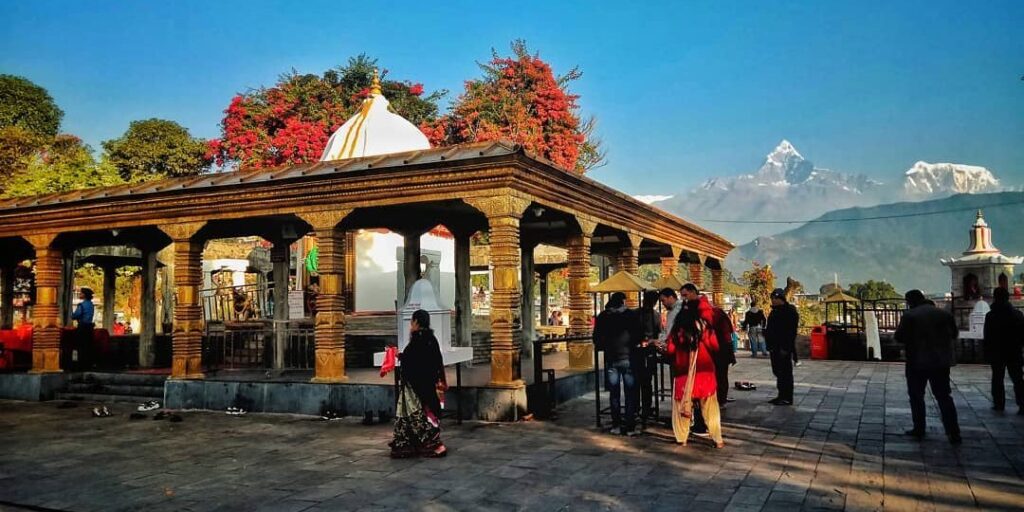
One of the oldest and most revered Hindu temples in Pokhara, Nepal, is Bindabasini Temple. The temple is extremely valuable spiritually, culturally, and historically, and is dedicated to Goddess Bindabasini, a fierce manifestation of Durga. One of the oldest places of worship in the area, it is thought that the deity was imported from India in the 17th century under King Siddhi Narayan Shah. Since then, the temple has developed into Pokhara’s spiritual center, attracting followers from all over the nation and overseas.
Bindabasini Temple, perched on a small hill in the center of the Pokhara city, provides breathtaking sweeping views of the Pokhara valley below and the snow-capped Annapurna and Machhapuchhre (Fishtail) mountain ranges. In addition to smaller shrines honoring Lord Shiva, Lord Hanuman, and other deities, the temple complex houses the main shrine dedicated to Goddess Bindabasini. Within the grounds, a sizable, revered peepal tree (bodhi tree) adds to the tranquil atmosphere and offers shade. The area is well-kept, and the peaceful atmosphere is enhanced by flower gardens, rest areas, and stone-paved walkways.
The community’s religious life revolves around the temple. It is particularly colorful during holidays like Dashain, the largest Hindu festival in Nepal, when thousands of worshippers assemble to carry out rites, such as offering animal sacrifices to the goddess. In addition, the temple is a well-liked location for religious ceremonies such as naming ceremonies and weddings.
The Bindabasini Temple is a friendly and inclusive spiritual location that is accessible to people of all faiths and does not impose an admission fee. Beyond its religious purpose, the temple symbolizes the balance between spirituality and the beauty of nature and is a cultural icon of Pokhara. The Bindabasini Temple remains a beloved landmark for both locals and visitors, whether they come for worship, peaceful contemplation, or just to take in the beautiful surroundings.
Davis falls
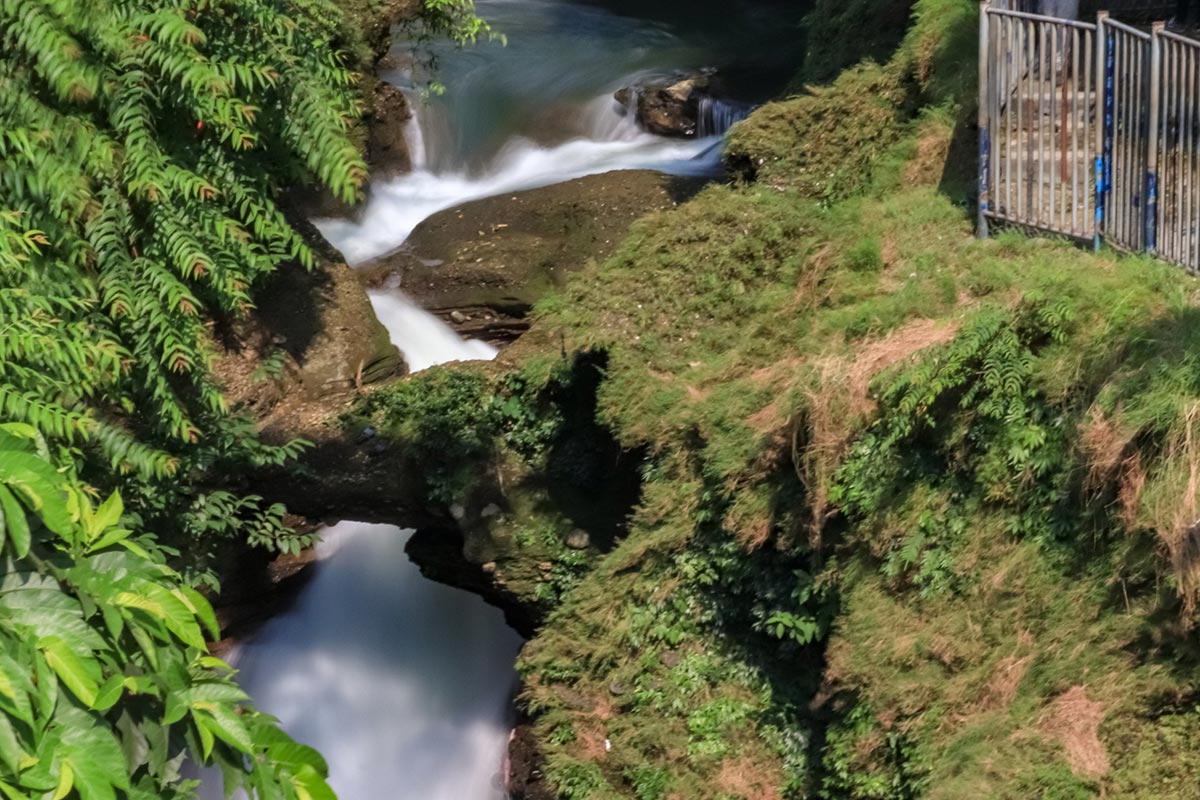
Patale Chhango, also known as Davis Falls, is a breathtaking waterfall in Pokhara, Nepal. Known for its enigmatic beauty and distinctive underground water flow, it is one of the most popular natural attractions in the area.
Phewa Lake is the source of the fall’s water, which cascades into a narrow, deep gorge before vanishing into an underground tunnel. The waterfall is distinctive and almost mystical because of this secret passage.
The tragic event in 1961 when a Swiss woman named Devi was carried away by a waterfall while taking a bath is the source of the name “Devi’s Fall.” The waterfall was named in her honor, and her body was never found.
Visitors frequently explore both locations together because they are close to the Gupteshwar Mahadev Cave. A portion of the subterranean water flowing from Devi’s Fall is visible in the cave, which is situated directly across from the falls.
Devi’s Fall, which is well-liked by both domestic and foreign tourists, has a small park, sculptures, and a “luck pond” where guests can toss coins for good fortune. It is a cultural and emotional landmark in Pokhara in addition to being a natural wonder.
International Mountain Museum
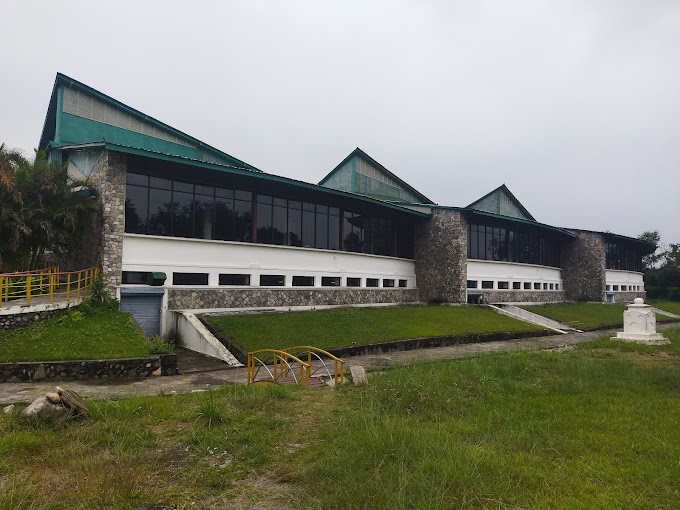
A well-known attraction that honors the rich history of mountaineering and the various cultures of mountain communities around the world is the International Mountain Museum (IMM), which is situated in Ratopairo, Pokhara, Nepal. The museum was founded by the Nepal Mountaineering Association and opened on February 5, 2004, to preserve and present the history and evolution of mountaineering, particularly in the Himalayan region.
The Hall of Great Himalayas, which explores the majestic Himalayan range and the difficulties of climbing its peaks; the Hall of Fame, which honors legendary climbers and their contributions to mountaineering history; and the Hall of World Mountains, which offers geological insights into global mountain systems, including all 14 peaks over 8,000 meters, are the three main halls of the museum, which occupies an expansive 12.6-acre space with more than 4,200 square meters of exhibit space.
The IMM also features displays on the mythical Yeti, the cultures and ways of life of mountain people, and the flora and fauna of mountainous areas. A 31-foot model of Mount Manaslu and a “living museum” devoted to Nepal’s indigenous tribes are also on display at the museum. The IMM is open daily from 8:30 AM to 5:00 PM.
Admission is Rs. 750 for foreign visitors, Rs. 350 for SAARC nationals and residents with visas, Rs. 150 for citizens of Nepal, and Rs. 80 for students. Additional fees apply for photo and video shoots. The museum, which is conveniently accessible by car, bus, or picturesque walk and is situated 3.8 km from Lakeside Pokhara and 1.6 km from Pokhara International Airport, provides visitors with an extensive and captivating experience of the world of mountaineering.
Sarangkot
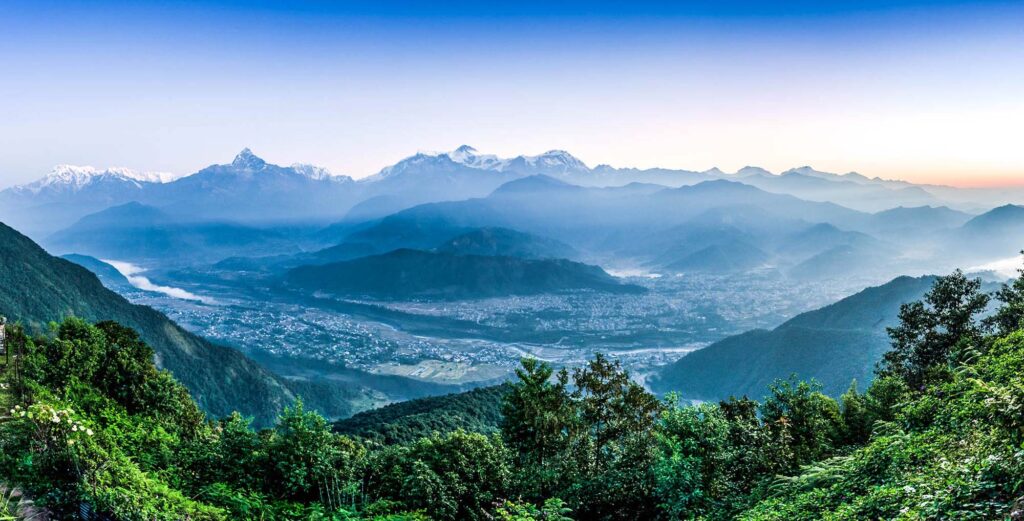
At an elevation of roughly 1,600 meters, Sarangkot is a picturesque hilltop village in Nepal, about 11 kilometers west of Pokhara. It is well known for providing some of the area’s most magnificent sweeping vistas. In addition to the vast Pokhara Valley and Phewa Lake, visitors can see the sunrise lighting up the snow-capped summits of the Annapurna, Dhaulagiri, and Manaslu mountain ranges.
With take-off locations offering thrilling flights over the valley and lake, the region is a center for adventure tourism, especially paragliding. Sarangkot is also a starting point for hiking trails that lead to neighboring villages, providing chances to experience the local culture and take in the area’s natural splendor.
Sarangkot is a great place for nature lovers and sunrise enthusiasts alike because it offers a number of lodging options with breathtaking views for those looking for a peaceful getaway.
Chamere Cave
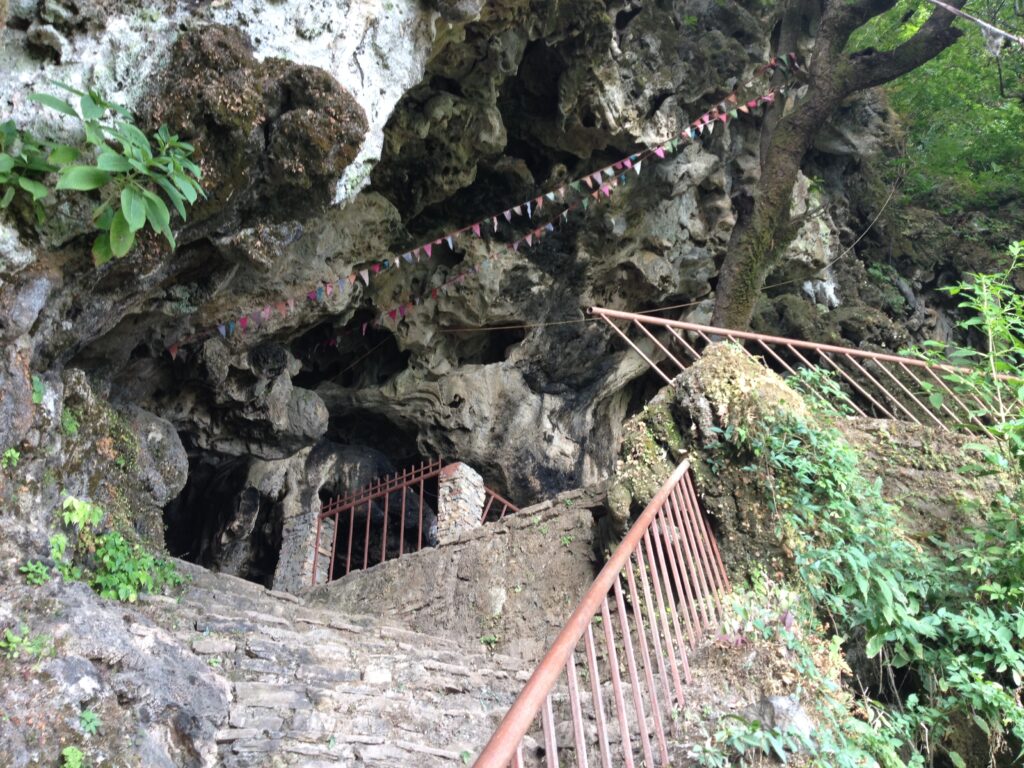
The Bat Cave, or Chamere Gufa, is a well-known natural limestone cave in Pokhara, Nepal. The cave, which was discovered in 1983, is roughly 150 meters long and 15 meters high. It is well-known for having thousands of Horseshoe bats that cling to its walls and ceilings, giving guests a unique and exciting experience.
The experience is made more adventurous by the cave’s single entrance and narrow exit, which require visitors to crawl through a narrow passage. According to local legend, this exit is only accessible to the sinless. Inside, visitors can see elaborate carvings of Hindu deities and stalactites and stalagmites that illustrate the cave’s spiritual significance. The cave is a well-liked destination for tourists looking for both natural beauty and cultural insights because of the surrounding area’s abundance of greenery and its proximity to other attractions like Mahendra Cave.
Daily hours for Chamere Gufa are 9 AM to 6 PM. Admission costs about NPR 100. It is recommended that guests bring a flashlight and wear comfortable shoes, as parts of the cave can be dark and slippery.
World Peace Pagoda
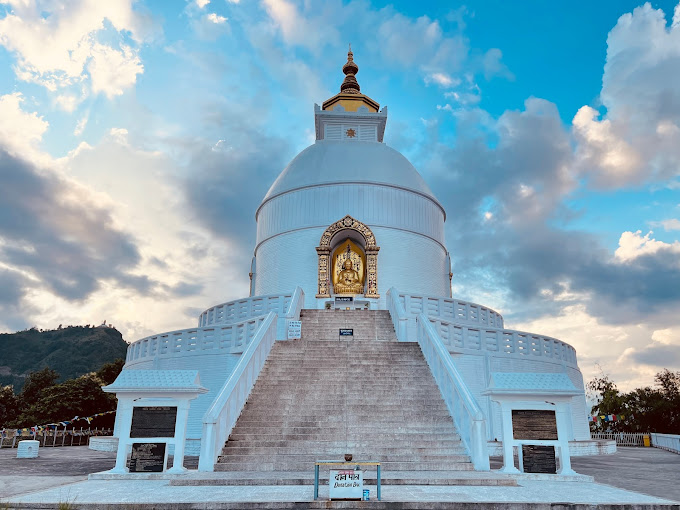
An important Buddhist monument, the World Peace Pagoda was created to encourage harmony, peace, and unity among all people, irrespective of their background, culture, or religion. After the destruction of World War II, Japanese Buddhist monk Nichidatsu Fujii came up with the idea for the pagoda, envisioning it as a symbol of peace. In order to encourage people worldwide to embrace compassion and non-violence, the first World Peace Pagoda was constructed in 1954 in Lumbini, Nepal, the birthplace of Siddhartha Gautama (Buddha).
Large golden or white statues of Buddha, frequently in a seated, contemplative position, are a common feature of pagodas, signifying inner peace and enlightenment. Prayer wheels, carvings, and murals that portray events from the Buddha’s life and teachings are frequently found surrounding the pagoda.
Pagodas are often bell-shaped, a traditional Buddhist representation of the cosmos, and are often situated in peaceful, high places like hills or mountains, providing peaceful views that enhance the spiritual ambiance. With notable pagodas in Sri Lanka, India, Japan, the United Kingdom, and the United States, the idea of the World Peace Pagoda has expanded to many nations over the years.
These pagodas serve as places for prayer, meditation, interfaith discussions, and community gatherings with the goal of promoting peace in addition to being places of worship. The World Peace Pagoda’s main message is to inspire people to practice mindfulness and meditation in order to develop inner peace, which is thought to be a precursor to world peace.
At these locations, people from all walks of life come to think, meditate, and reaffirm their dedication to understanding and non-violence. As a timeless representation of humanity’s joint endeavor to bring about peace, the World Peace Pagoda serves as a potent beacon for people everywhere who aspire to live by the principles of harmony, tolerance, and compassion.