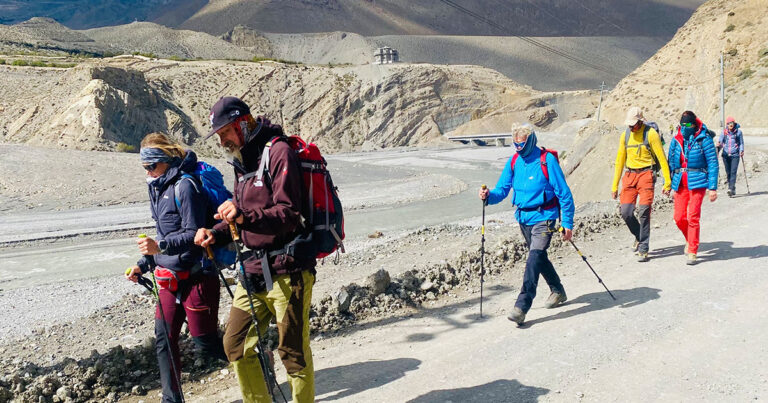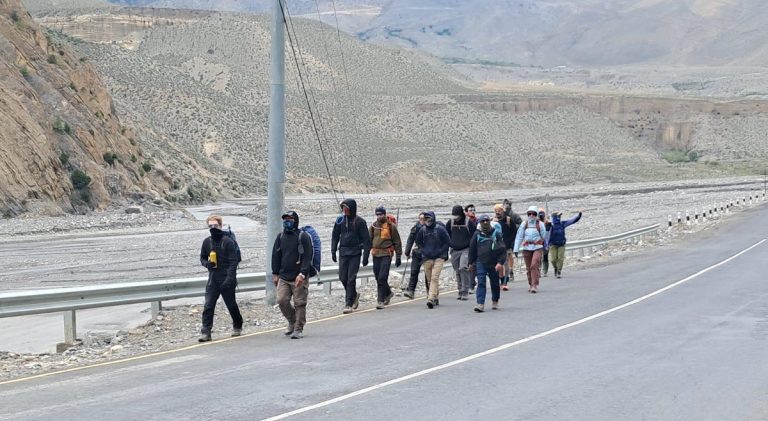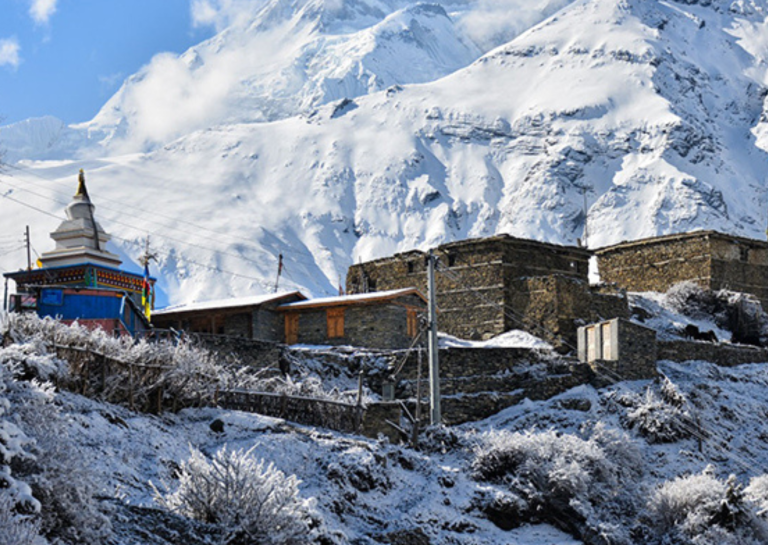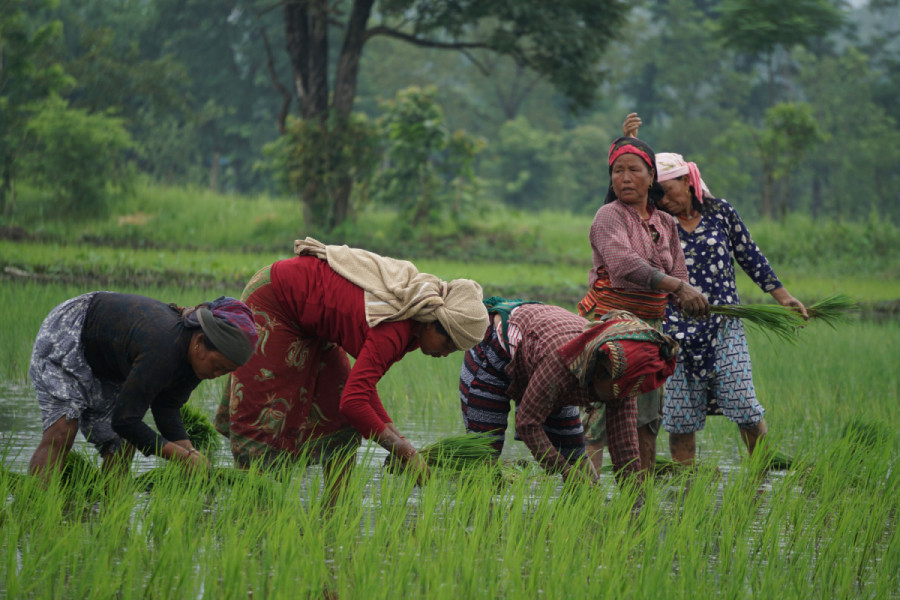
Nepal’s diverse topography and climatic variations across its 77 districts have fostered a rich agricultural tapestry, offering immense potential for agro-tourism. Integrating agriculture with tourism not only diversifies income sources but also enriches the cultural experience for visitors.
Agricultural Landscape Across Nepal’s Districts
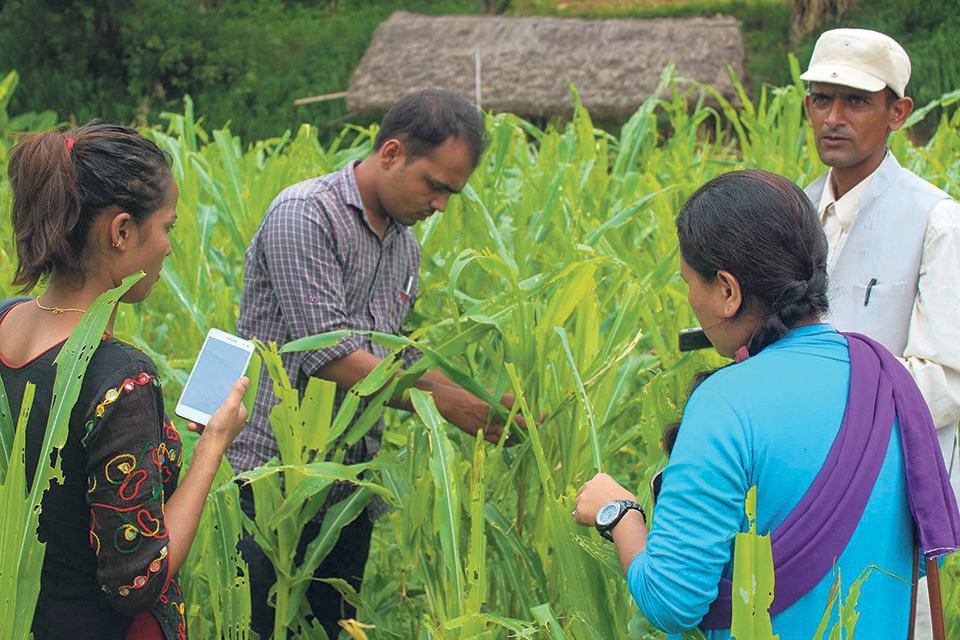
1. Province No. 1:
Ilam: Renowned for its tea plantations, Ilam produced approximately 25,000 metric tons of tea in the fiscal year 2021/22. The district’s lush landscapes and tea gardens attract numerous tourists annually.
Jhapa: A major producer of paddy, Jhapa harvested around 314,225 metric tons in 2021/22, contributing significantly to Nepal’s rice production.
2. Madhesh Province:
Dhanusha: Known for its sugarcane cultivation, Dhanusha produced approximately 1,500,000 metric tons in 2021/22, supporting local industries and attracting tourists interested in traditional jaggery-making processes.
Sarlahi: This district is notable for its tobacco farming, with a production of around 10,000 metric tons in 2021/22, reflecting its agricultural diversity.
3. Bagmati Province:
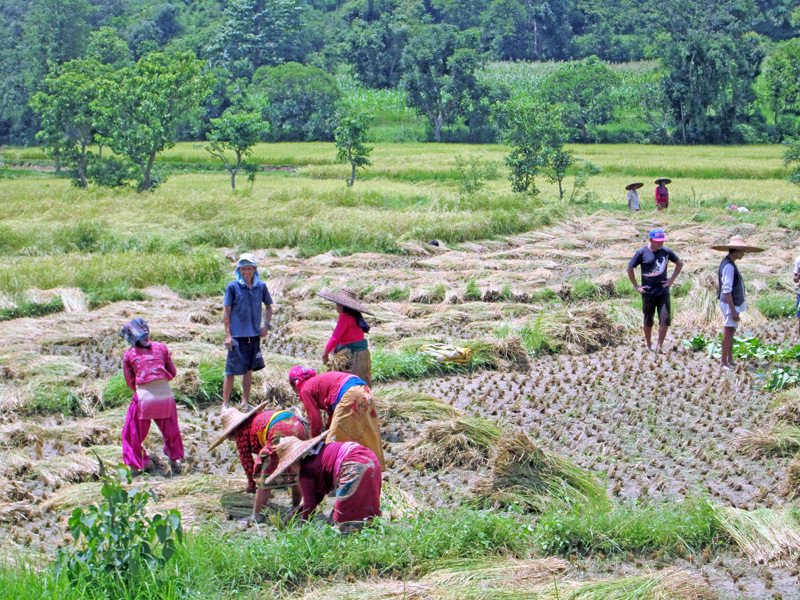
Kavrepalanchok: The district’s fertile lands yielded approximately 50,000 metric tons of potatoes in 2021/22, making it a significant contributor to the national potato supply.
Sindhuli: Famous for Junar (sweet orange), Sindhuli produced about 45,000 metric tons in 2021/22, attracting agro-tourists during the harvesting season.
4. Gandaki Province:
Kaski: With a production of approximately 80,000 metric tons of maize in 2021/22, Kaski showcases the agricultural richness of the region.
Syangja: Known for its coffee cultivation, Syangja produced around 550 metric tons in 2021/22, contributing to Nepal’s growing coffee industry.
5. Lumbini Province:
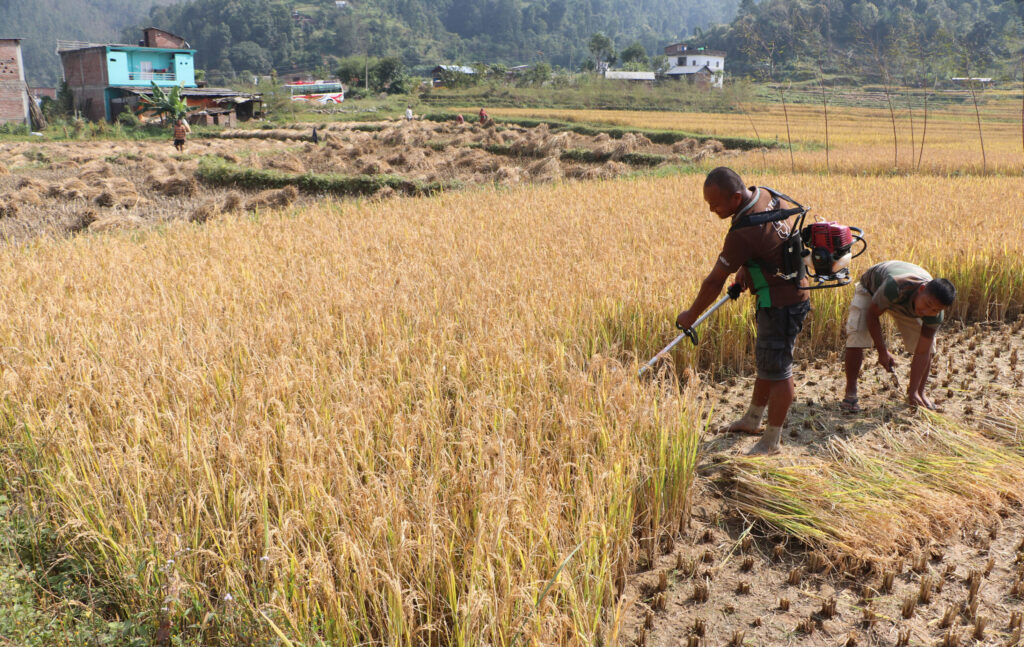
Rupandehi: This district is a leading producer of paddy, with an output of approximately 326,443 metric tons in 2021/22, underscoring its role in national food security.
Palpa: Palpa’s orange orchards yielded about 30,000 metric tons in 2021/22, enhancing its appeal to agro-tourists.
6. Karnali Province:
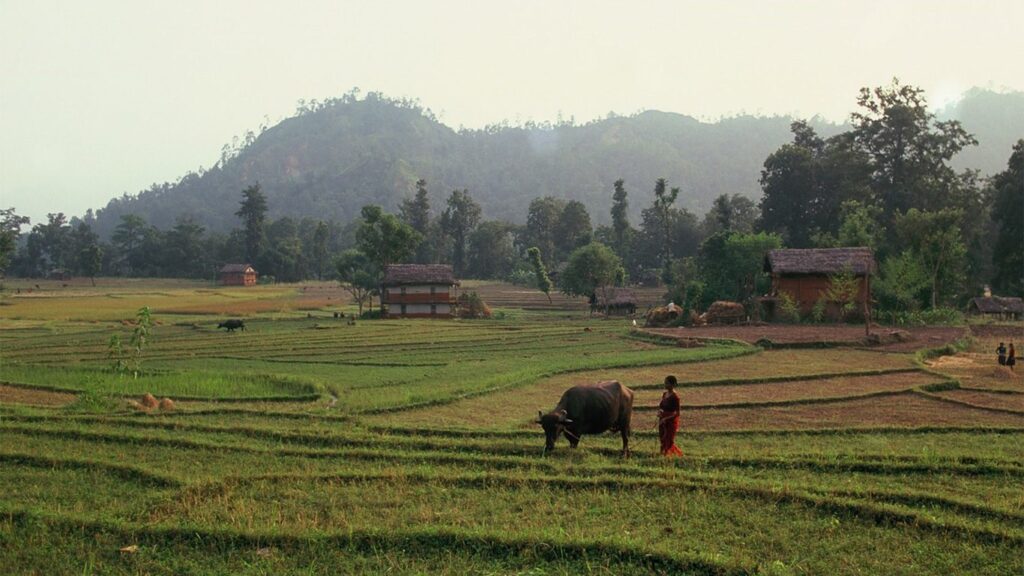
Jumla: Renowned for organic apple production, Jumla harvested approximately 55,000 metric tons in 2021/22, attracting tourists interested in organic farming practices.
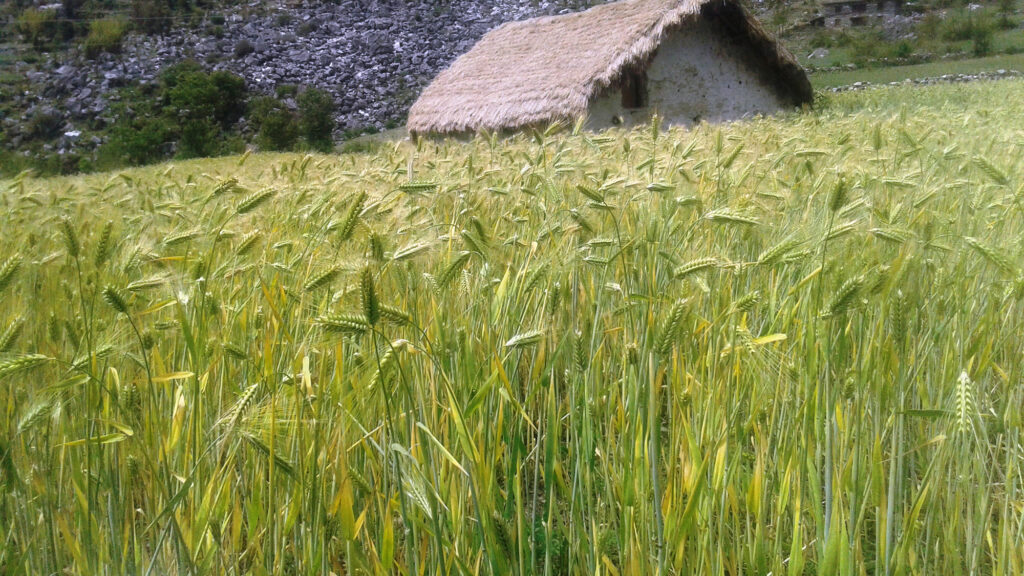
Dolpa: Known for high-altitude barley cultivation, Dolpa produced around 5,000 metric tons in 2021/22, reflecting its unique agro-climatic conditions.
7. Sudurpashchim Province:
Kailali: A significant producer of wheat, Kailali yielded approximately 100,000 metric tons in 2021/22, contributing to the province’s agrarian economy.
Doti: Known for its ginger cultivation, Doti produced around 8,000 metric tons in 2021/22, offering potential for spice-related agro-tourism.
Seasonal Agro-Tourism Activities
Each season in Nepal offers unique agricultural experiences :
Spring (March-May): Tea plucking in Ilam and orange harvesting in Sindhuli.
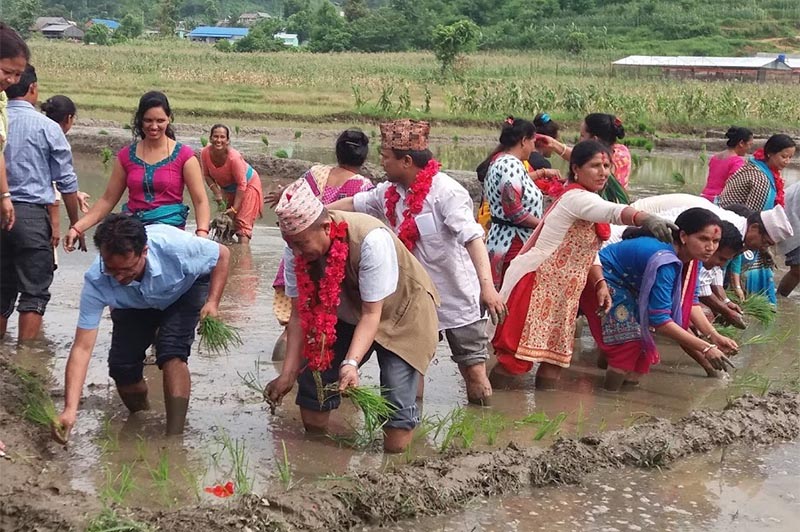
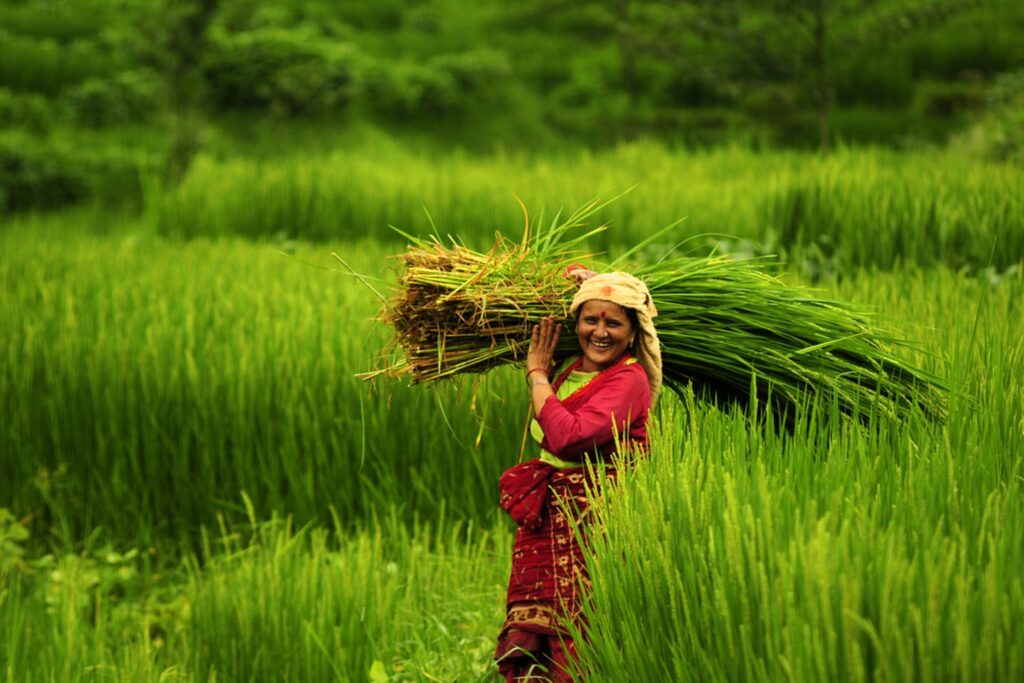
Summer (June-August): Rice planting festivals (Ropain) in Jhapa and Dhanusha.
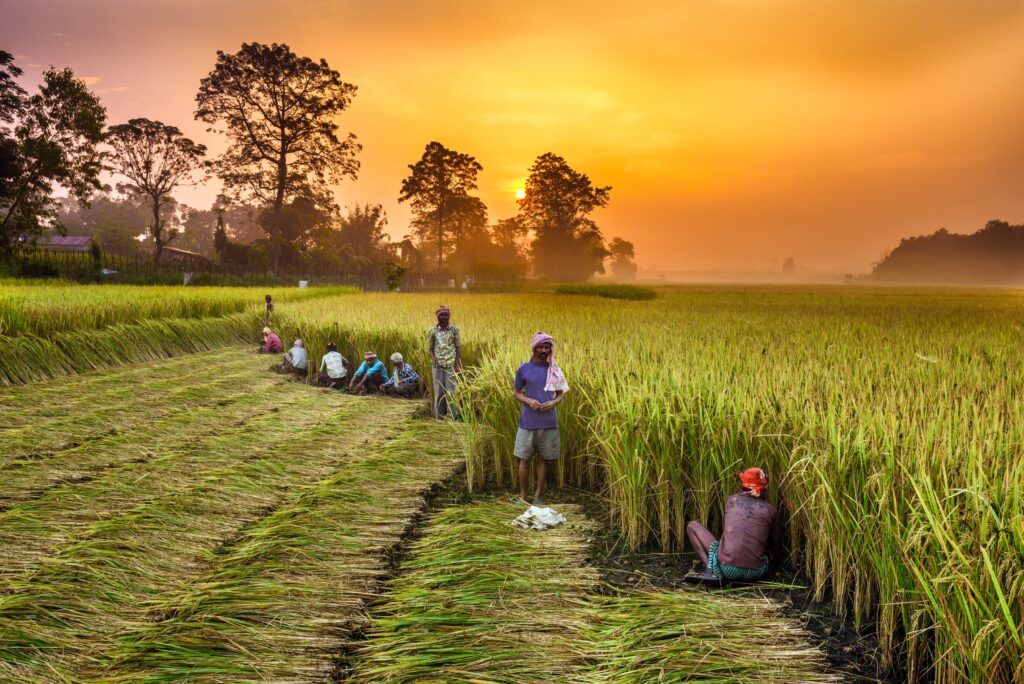
Autumn (September-November): Apple picking in Jumla and maize harvesting in Kaski.
Winter (December-February): Coffee harvesting in Syangja and potato harvesting in Kavrepalanchok.
Challenges and the Way Forward
Despite the potential, integrating agriculture with tourism faces challenges such as infrastructure limitations, marketing, and policy support. Collaborative efforts between the government and private sector are essential to promote agro-tourism through improved infrastructure, farmer training programs, and targeted marketing strategies.
Conclusion
Nepal’s agriculture and tourism sectors are deeply interconnected. By developing agro-tourism, each of Nepal’s 77 districts can leverage its unique agricultural identity to attract visitors, create employment, and promote sustainability. Embracing agriculture as a pillar of Nepal’s tourism can lead to a prosperous future, preserving cultural heritage while boosting the economy.
Written By: Pari Adhikari (Tourism Professional and Trekking Guide)