Chinde Dada in Dharan Sub-Metropolitan City–20 has seen a remarkable rise in domestic tourism as the summer season draws visitors from across eastern Nepal and beyond. Once a barren hilltop, this scenic viewpoint has grown into a popular hiking and leisure destination.
Growing Popularity Among Domestic Tourists
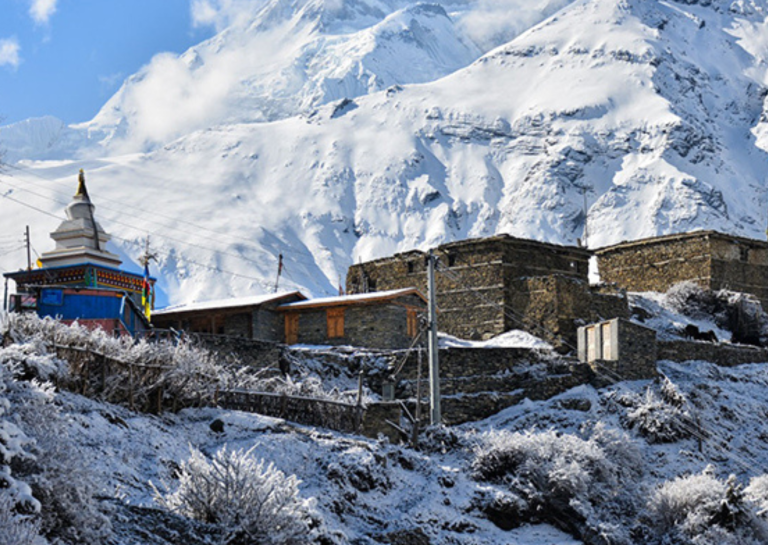
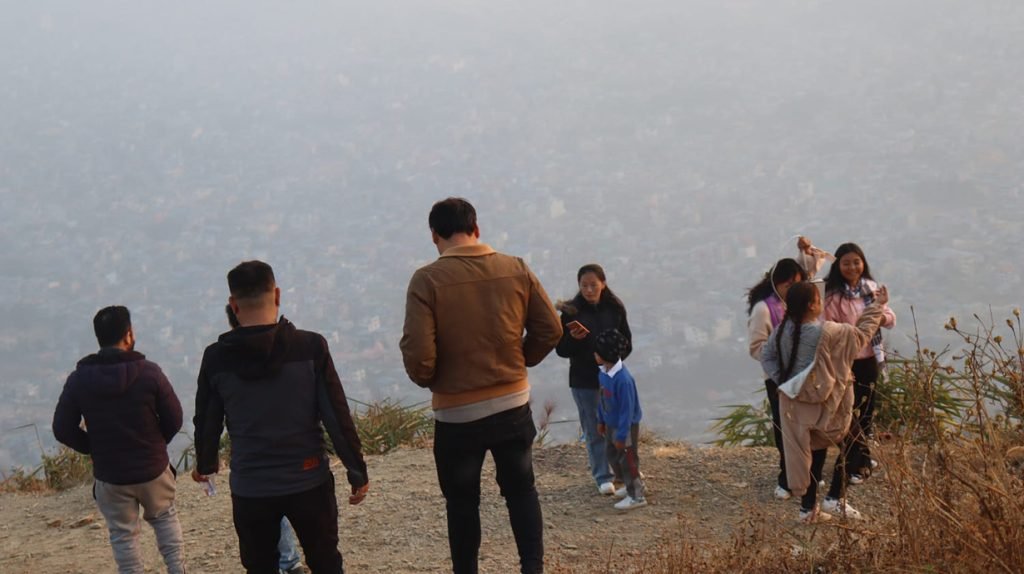
Chinde Dada, also affectionately known as Ramite Danda, is witnessing an impressive influx of visitors, particularly during the summer months. Perched on the outskirts of Dharan, the hill offers panoramic views of Dharan Bazaar, Itahari, the Char Kose Jungle, and the lush expanse of the Terai region. Its reputation as a refreshing escape from the heat and as a perfect hiking spot is drawing hundreds of visitors daily.
Tourists are mainly arriving from Dharan, Itahari, Jhapa, Chitwan, and even Kathmandu. Many come with friends or family for a short day trip to enjoy the cool breeze, serene surroundings, and breathtaking scenery.
A Destination Transformed
Locals recall that Chinde Dada, once barren and unfrequented, began attracting visitors nearly two decades ago. Today, it is becoming one of eastern Nepal’s most talked-about internal tourism destinations. The area has undergone significant changes, with improved access and new hospitality services enhancing the visitor experience.
Sudip Shrestha, a resident of Dharan-16 who is currently visiting from the UK, shared his excitement: “I remember when this place used to be bare and deserted. Now, it has become a well-known tourist spot. It feels good to see the development.”
Similarly, Sushila Rai from Itahari, who visited for the first time, said: “The cool air and beautiful views during summer are truly indescribable. While fewer people visit during the winter, it seems the place is bustling in the warmer months.”
Accessibility and Visitor Experience
Located approximately 15 to 20 minutes from Dharan by motorcycle or car, or about an hour on foot, Chinde Dada is easily accessible for day-trippers. Although the road remains unpaved and can be challenging during the monsoon or winter, the construction of a bridge over Sardu Khola has made travel somewhat easier.
Previously, the hill offered paragliding services, which further boosted its appeal. Although paragliding has ceased, the area continues to thrive with the presence of several lodges, eateries, and homestay facilities that cater to the growing number of visitors.
Local Cuisine and Hospitality Flourish
According to local hotel entrepreneur Laxmi Tamang, around 300 domestic tourists visit Chinde Dada on a daily basis during the summer season. “Visitors love local delicacies such as free-range chicken curry, tongba (millet beer), sukuti (dried meat), bhattu (roasted rice), and dhan ko bhat (rice-based dishes),” she explained. These traditional meals are in high demand, especially during the warmer months when tourism activity peaks.
Another entrepreneur, Basanti Tamang, noted that Chinde Dada is an ideal destination for short daytime excursions: “Most people stay for a few hours and then leave, but some do choose to spend the night. We see more tourists from places like Jhapa, Chitwan, and Kathmandu in summer, although the number drops in winter.”
Scenic Significance and Local Lore
The name Chinde Dada comes from the Nepali word ‘chindo’, referring to its once bare appearance when viewed from Dharan. Meanwhile, the nickname Ramite Danda stems from its popularity among passersby who would pause to enjoy the stunning views.
The region is home to a mixed community of Tamang, Gurung, Rai, Chhetri, and Brahmin ethnic groups, with nearby settlements such as Gurung Chhap and Karki Chhap adding cultural depth to the area.
Infrastructure and Tourism Development
Above Chinde Dada lies a recently built view tower, constructed with support from the Koshi Provincial Government, which offers even broader views of the surrounding landscape. Below the tower, entrepreneurs Basudev Baral and Elina Magar run the Sech Adventure Park and Resort, adding adventure-based attractions to the list of things to do in the area.
A short distance away, Tamang communities are also running homestay programs, offering tourists an immersive cultural experience. These efforts are helping to foster a grassroots tourism economy.
Tourism entrepreneur Baral remarked, “The area is filled with scenic spots ideal for domestic tourism. That’s why the development in this sector has been growing significantly in recent years.”
Cultural Projects and Future Prospects
The local government is also stepping in to enhance the region’s appeal. Under the leadership of Dharan Mayor Harkaraj Rai Sampang, preparations are underway to install statues of Sumnima-Paruhang, revered deities in the Kirat Rai community, at Chinde Dada. Mayor Sampang believes this initiative will add spiritual and cultural significance to the area, attracting more pilgrims and tourists alike.
Local residents and entrepreneurs share the hope that with better roads, increased promotion, and further development of infrastructure, Chinde Dada could soon become one of Dharan’s top tourist destinations.
From a quiet and bare hilltop to a thriving tourism hotspot, Chinde Dada stands as a testament to the growing appeal of internal tourism in Nepal. With its beautiful landscapes, cultural richness, and emerging infrastructure, the area promises to become a major draw for visitors seeking both adventure and serenity in the heart of eastern Nepal.