A new trekking trail has been constructed to connect the religious and tourist site of Jaljala, located at the tri-junction of Myagdi, Parbat, and Kaski districts in western Nepal. The trail aims to promote tourism and provide a safer and more scenic route for trekkers in the Annapurna region.
New Pathway from Kaski to Myagdi via Parbat
The newly constructed trail begins from Nayapul in Kaski district and passes through Modi Rural Municipality in Parbat before reaching the picturesque village of Ghorepani in Annapurna Rural Municipality, Myagdi. The trail includes the historical Jaljala area, which holds both religious and ecological significance.
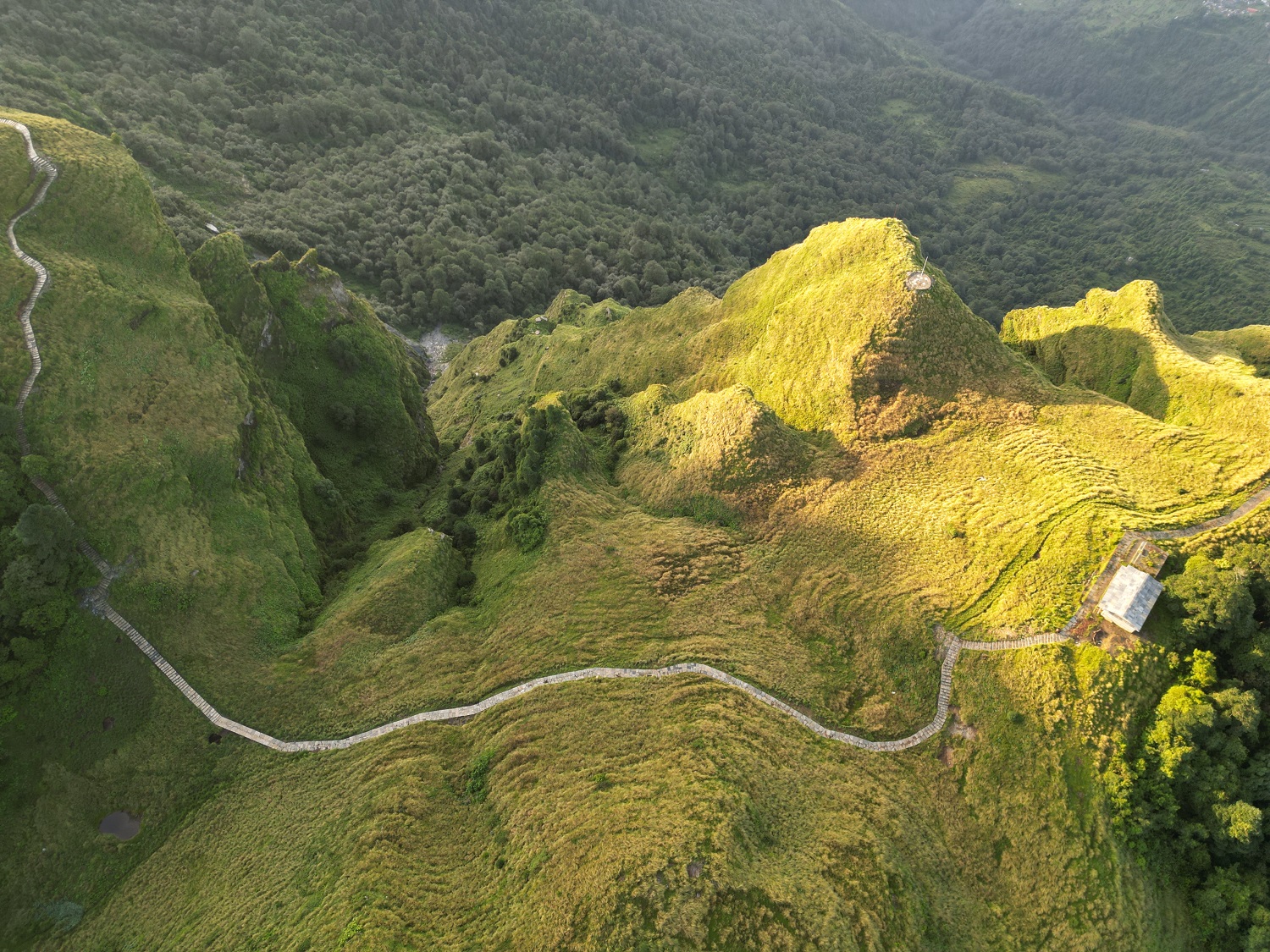
Funded by a budget of NPR 2 million allocated by the Gandaki Province Government, the trail was constructed from Mate in Modi Rural Municipality-1 up to Jaljala, which lies on the border of Modi and Jaljala Rural Municipalities. The trail consists of stone steps laid across steep terrain, significantly improving accessibility to the region.
Project Details and Construction Efforts
The project was implemented through the Office of Tourism and Industry in Parbat and executed by a local user committee. Tika Pun, Secretary of the user committee, shared that the trail spans approximately two kilometers, starting from Mate, passing through Waifadanda, and ending at Jaljala.
“In ancient times, this path was used by local shepherds. We have now transformed it into a formal trekking route,” Pun said. “As the trail lies far from human settlements, 25 workers stayed on-site for nearly four months to complete the construction.”
Along the trail, three resting areas including traditional shelters called Chautari and scenic viewpoints have been built at locations such as Dulekhani and Waifadanda. These structures aim to enhance the trekking experience and provide safe resting places for travelers.
Breathtaking Views and Rich Biodiversity
The route offers stunning panoramic views throughout the journey. From Mate at an elevation of 3,300 meters, trekkers traverse high ridges through Dulekhani and Waifadanda, descending slightly to reach Jaljala at around 3,000 meters.
Along this trail, visitors can enjoy magnificent views of the Annapurna and Dhaulagiri mountain ranges. In addition, the trail provides a glimpse of rural settlements across Parbat, Kaski, Baglung, and Myagdi, showcasing Nepal’s rich cultural and topographic diversity. Wildlife such as deer and other forest animals are often spotted along the route, adding to its appeal for nature lovers.
Ensuring Trekker Safety and Accessibility
Previously, the lack of a managed trail had posed significant challenges for trekkers. Many lost their way or risked injury navigating dense shrubbery and steep cliffs. The new trail has greatly enhanced safety and accessibility, according to Deepak Acharya, Vice-Chair of Jaljala Rural Municipality.
He also mentioned that an additional NPR 2 million budget has been approved by the Gandaki Province Government for the fiscal year 2082/83 to further extend the trail from Jaljala toward Moharedanda in Myagdi. This extension will add further value to the existing trekking network in the region.
Additional Developments in the Region
Previously, a shelter facility was built at Waifadanda with a provincial budget of NPR 1.5 million, offering basic lodging for trekkers. Last year, Jaljala and Modi Rural Municipalities partnered to provide electricity to Jaljala, further improving the region’s infrastructure.
The local government has also discussed the possibility of creating an artificial lake by damming the stream in the border area of Jaljala. This would further enhance the region’s tourism appeal by introducing water-based attractions.
Religious and Cultural Significance of Jaljala
Jaljala is not just a tourist site, it also holds deep religious meaning. According to Hindu scriptures, including the Ramayana, Jaljala is believed to be the fabled “Kalanjar Parbat.” The area is also a hotspot for medicinal herbs, making it ecologically valuable.
Religious activities and infrastructure development have been ongoing in the Humphal area of Jaljala. These efforts aim to promote the area as a spiritual destination as well as a natural retreat for eco-tourism.
Improved Road Access Supports Tourism Growth
The approach to Jaljala has also seen improvement with an earthen road now connecting Beni of Myagdi to Jaljala via Mallaj and Shalija in Parbat. This roadway has eased transportation of materials and made it easier for pilgrims and tourists to reach the region.
With the construction of this trekking route and accompanying infrastructure, the region is poised to become a major hub for eco-tourism, cultural tourism, and religious pilgrimage in the western Himalayas of Nepal. The local authorities are optimistic that the new trail will attract both domestic and international trekkers, creating opportunities for sustainable tourism and economic development in the region.