The Civil Aviation Authority of Nepal (CAAN) has approved a substantial budget of Rs 31.41 billion for the fiscal year 2025/26, marking a significant step forward in the development of the country’s aviation infrastructure and services. This financial plan aims to upgrade key airports, accelerate ongoing projects, and implement strategic reforms essential for sustaining long-term growth in Nepal’s aviation industry.
Director General Pradeep Adhikari, speaking on behalf of CAAN, emphasized the authority’s firm commitment to expanding and modernizing aviation facilities. “We have approved a budget of NPR 31.41 billion to drive forward our strategic plans for aviation infrastructure development,” he said, underlining the agency’s focus on future-proofing the sector to meet increasing passenger and cargo demands.
Capital Investment and Operational Expenses: Balanced Budget Allocation
The approved budget has been carefully structured to balance capital expenditure, operational costs, and financial arrangements. Capital investment forms the largest share at Rs 12.40 billion, accounting for 39 percent of the total budget. These funds will primarily target infrastructure expansion and modernization projects across the country’s airports.
Operational expenses have been allotted Rs 6.16 billion, representing 20 percent of the budget, ensuring that day-to-day functions, safety regulations, and management processes are efficiently maintained. The remaining Rs 12.85 billion, or 41 percent, is designated for financial arrangements including loan servicing, grants, value-added tax payments, and managing advances and reserves.
Revenue Projections and Funding Sources
CAAN projects a revenue intake of approximately Rs 16 billion for the current fiscal year, forecasting a healthy 10 percent increase from the previous year. The authority plans to cover the remaining financial requirements through a mix of external loans, grants, and internal financial reserves. This diversified funding approach demonstrates CAAN’s effort to maintain financial stability while aggressively investing in infrastructure.
Nijgadh International Airport: Preparing for Landmark Development
Among the key highlights of the budget is the focus on the proposed Nijgadh International Airport, envisioned as a major milestone in Nepal’s aviation expansion plans. CAAN has allocated Rs 240 million specifically for preparatory work, including the construction of a perimeter road, environmental impact assessments, resettlement programs, site clearance, tree felling, and embankment activities. These initial investments are critical steps toward laying the foundation for this ambitious project, which is expected to greatly enhance Nepal’s international connectivity once fully operational.
Further funds have been earmarked for the airport’s main construction phase, indicating CAAN’s long-term commitment to this development. Nijgadh International Airport, located south of Kathmandu, is anticipated to alleviate congestion at Tribhuvan International Airport and provide modern facilities capable of handling growing air traffic volumes.
Upgrading Tribhuvan International Airport: Rs 6 Billion Investment
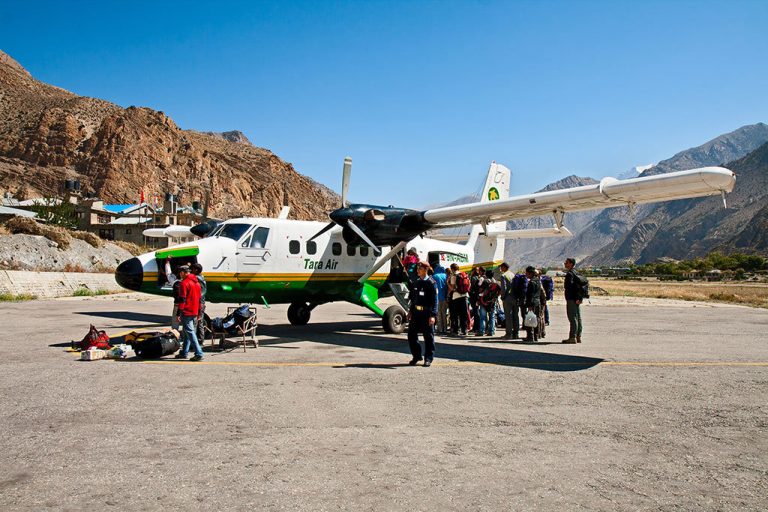
Tribhuvan International Airport (TIA), the country’s busiest airport situated in Kathmandu, will benefit significantly from the approved budget, with over Rs 6 billion allocated for its ongoing upgrade and expansion projects. Key initiatives include the runway extension toward the south to accommodate larger aircraft, development of hangar facilities, expansion of aprons for parking and maneuvering of planes, and the hiring of consultancy services for project management and technical expertise.
These improvements aim to enhance the airport’s operational efficiency, safety standards, and passenger handling capacity. Notably, a significant portion of the funding for these projects is being supported through loans from the Asian Development Bank (ADB), reflecting international confidence in Nepal’s aviation potential.
Air Transport Capacity Enhancement Project: A Collaborative Endeavor
One of the flagship projects funded under this budget is the Air Transport Capacity Enhancement Project, a collaborative initiative between CAAN and the Asian Development Bank. This project has been allocated Rs 4.15 billion to support capacity-building, infrastructure upgrades, and safety improvements at Nepal’s key airports. It seeks to address both current demands and future growth, positioning the aviation sector as a driver of economic development.
The project also incorporates modern technologies and sustainable practices to improve overall airport performance and reduce environmental impact, aligning with global aviation standards.
Ongoing Projects and Settling Past Liabilities
The budget also earmarks Rs 11.59 billion for the continuation of ongoing projects, ensuring steady progress without disruption. This allocation highlights CAAN’s dedication to completing long-term plans that have already been initiated, including various regional airport developments and maintenance works.
Additionally, Rs 673.5 million has been set aside to cover pending liabilities from the previous fiscal year, demonstrating financial accountability and a commitment to clearing outstanding obligations.
Strategic Vision for Nepal’s Aviation Sector
The 2025/26 budget reflects CAAN’s comprehensive vision for a robust and sustainable aviation sector capable of supporting Nepal’s growing connectivity needs and economic ambitions. By focusing on infrastructure expansion, modernization, and international cooperation, CAAN aims to position Nepal as a competitive player in the regional aviation market.
Director General Adhikari emphasized that these investments are not only about physical infrastructure but also about strengthening regulatory frameworks, improving service quality, and ensuring safety standards that meet international benchmarks.
With the Rs 31.41 billion budget approval, Nepal’s aviation industry stands at the threshold of transformative growth. The focus on major airport upgrades, the ambitious Nijgadh International Airport project, and enhanced operational efficiency will collectively enhance Nepal’s air transport capabilities.
These developments are poised to support tourism, trade, and economic growth, benefiting millions of Nepalese and contributing to national development goals. As the fiscal year unfolds, all eyes will be on CAAN’s ability to efficiently implement these projects and sustain the momentum necessary to meet future aviation demands.