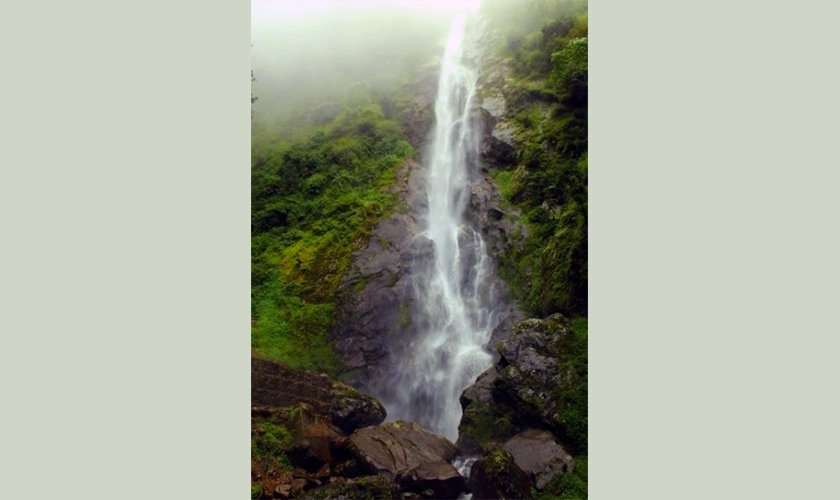
The breathtaking Chhange Waterfall, located in Shadananda Municipality–3, Khartamchha of Bhojpur district, is fast emerging as a sought-after tourist destination in eastern Nepal. Standing at an impressive height of 139 meters, it is now recognized as the tallest waterfall in the district and is gaining popularity among domestic travelers due to recent conservation and infrastructural development efforts.
Once relatively unknown, the waterfall has now become a central attraction in the region thanks to joint investment by Shadananda Municipality and the Koshi Province Government. A well-designed walking trail and necessary infrastructures such as rest stops, seating areas, and viewpoints have been constructed to enhance the visitor experience. Mayor Surendra Kumar Udas of Shadananda Municipality stated that both conservation and promotion of the waterfall have been prioritized to establish it as a permanent tourist hub.
Sustainable Development with a Vision for Integrated Tourism
“We are committed to the development and preservation of Chhange Waterfall,” said Mayor Udas. “We have constructed pathways and necessary facilities targeting the comfort of incoming tourists. This waterfall is a valuable natural and tourism asset for our municipality.”
The municipality has also been focusing on the integrated development of the region’s religious and natural heritage. Mayor Udas mentioned a broader tourism plan that connects Sati Dhunga at Satighat, Kunsaling Danda, Has Pokhari, Saune Danda, Chhange Waterfall, and from there to Nepale Danda’s Omkar Shakti Peeth and Yogmaya’s samadhi site at Majuwabesi, forming a comprehensive spiritual and eco-tourism circuit.
This multi-site development aims not only to boost tourism but also to preserve the cultural and religious significance of each location, creating a holistic experience for visitors.
Rise in Tourist Numbers Post-Conservation
Following the conservation efforts and infrastructural upgrades, the number of domestic tourists visiting the waterfall has noticeably increased. According to Suraj Basnet, a local resident, the waterfall, with its clean, cascading waters, captivates visitors and leaves a lasting impression. He emphasized that the addition of facilities like drinking water access and sheltered resting spots (phalchas) has made the destination more convenient and appealing to travelers.
“Since the conservation of Chhange Waterfall, we’ve seen a clear rise in visitor numbers,” Basnet said. “However, we still haven’t been able to promote it effectively on a national or international level. This waterfall is truly a gift of nature to our region.”
The waterfall’s majestic flow, its misty spray, and surrounding greenery create a mesmerizing natural spectacle. Locals consider the site not just a visual wonder but a sacred natural blessing that deserves both preservation and promotion.
Untapped Potential: Locals Call for National Attention and Investment
Despite the growing interest, the site still faces challenges in terms of visibility and investment. Locals like Ganesh Adhikari expressed concerns that such hidden gems often remain overshadowed due to a lack of strategic promotion. “The significance of sites like Chhange Waterfall must be brought into the national spotlight,” Adhikari said. “The government should identify and invest in places like these, which can become sustainable sources of income and pride for the region.”
Residents have urged the provincial and federal governments to allocate more resources to further enhance the infrastructure, promote the site, and include it in official tourism campaigns. Given its natural grandeur, religious value, and accessibility, the Chhange Waterfall holds immense promise to become a major highlight in Nepal’s domestic tourism circuit.
A Natural Wonder Awaiting Discovery
Chhange Waterfall’s scenic beauty, coupled with its surrounding religious sites, makes it a perfect destination for both spiritual and nature-loving tourists. It represents a prime example of how eco-tourism and religious tourism can be developed side-by-side for mutual benefit.
With continuous support from the local government and active involvement of the community, this waterfall could soon shine not just as Bhojpur’s tallest and most captivating natural site, but also as a landmark of integrated rural tourism in Nepal. For now, the locals and municipality are doing their part, what’s needed next is strategic promotion and sustainable tourism planning at the provincial and national levels.
As visitors begin to trickle in and word of mouth spreads, Chhange Waterfall stands as a reminder that with care, vision, and coordinated development, even the most remote corners of Nepal can emerge as beacons of natural wonder and cultural pride.