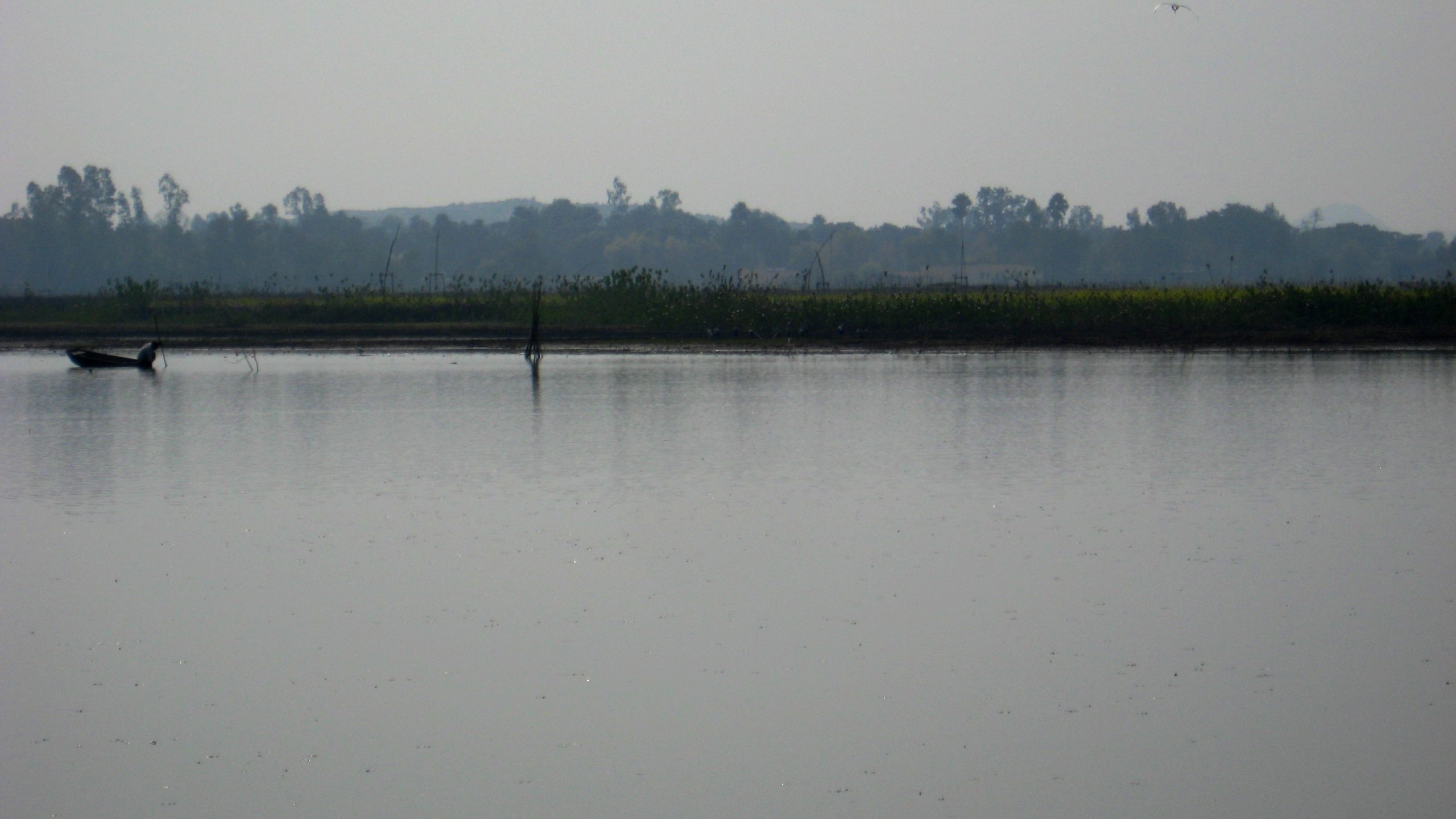
A major initiative to conserve and promote Raja Tal (Pawark Lake), one of the most significant natural attractions in Rajarani Bazaar of Chaubise Rural Municipality, Dhankuta, has officially begun. This effort comes as part of a broader plan to establish the lake as a vibrant eco-tourism destination in eastern Nepal.
Named After Two Lakes, Yet One Remains Neglected
The former Rajarani Village Development Committee was named after two iconic lakes, Raja (Pawark) Tal and Rani (Mawark) Tal. While the Rani Tal has undergone partial conservation through a local cooperative, Raja Tal remains largely confined within an unprotected wetland ecosystem. Locals have long expressed concern that this culturally and ecologically important site had been overlooked in terms of development.
Spread over more than 225 ropanis of primarily private land and shaped like the English alphabet “V”, the Rajarani wetland area, where Raja Tal is located, was selected during the Investment Summit organized by the Koshi Province Government last year as a high-potential tourism development project.
Rs. 35 Crore Proposal Kicks Off Tourism Infrastructure
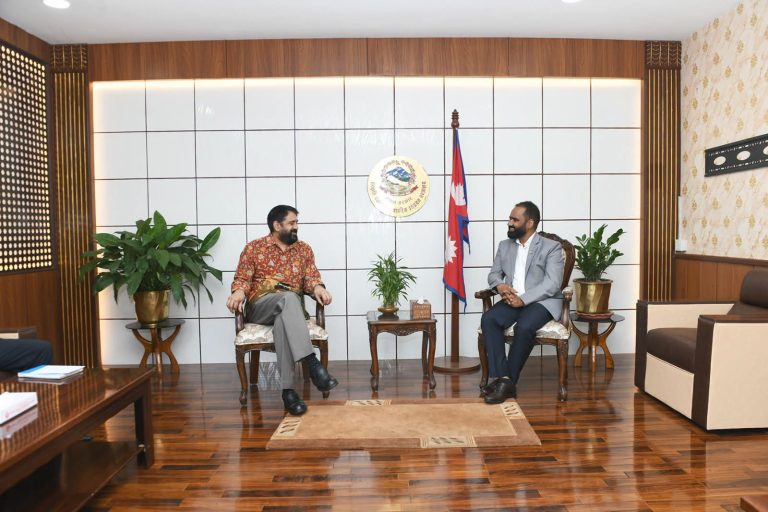
The Raja Tal Conservation and Development project received a Rs. 35 crore investment proposal, marking a significant commitment to transform the wetland into a fully-fledged lake and eco-tourism attraction. In a significant development on Sunday, a joint meeting of the Pawark (Raja) Tal Construction Coordination Committee and the Pawark Tal Construction Facilitation Committee was held at Chaubise Rural Municipality. The meeting formally decided to commence work on the project starting Monday.
According to Rajkumar Limbu, Chairperson of Chaubise Rural Municipality, the push to start work came after private investors expressed serious interest in developing the area. “Investors have shown willingness to invest around Rs. 2 billion to promote tourism linked to Raja Tal. We are now ready to move forward,” he stated.
Landowner Consultations Begin for Detailed Project Planning
As part of the initial phase, consultations with landowners whose properties fall within the proposed development area are being launched. Chairperson Limbu confirmed that beginning today, officials will engage directly with landowners for initial surveys and the preparation of a Detailed Project Report (DPR).
“Our immediate goal is to initiate dialogue with local landowners regarding options like leasing land or becoming shareholders in the project,” he said. The collaboration model being discussed is inclusive, giving landowners the option to either lease their land for lake construction or take equity stakes in the project, ensuring mutual benefit.
113 Ropanis Identified for Development; 82 Landowners Involved
Preliminary surveys have already identified that 113 ropanis of land owned by 82 individuals is classified as wetland in the Raja Tal area. If both Raja and Rani lakes are fully developed as envisioned, the project is expected to generate significant employment opportunities and drive socio-economic prosperity in the municipality.
Chairperson Limbu emphasized that once the full eco-tourism infrastructure is in place, Chaubise Rural Municipality could become a model destination in Koshi Province. “This development could turn our region into a hub for nature tourism, heritage trails, and employment,” he said.
Strategic Location Adds to the Potential
The project gains further advantage from its strategic location along the under-construction Bhedetar–Rabi–Ranke highway, which enhances accessibility and opens new avenues for regional tourism. Additionally, Chaubise Rural Municipality is home to several other smaller lakes and water bodies awaiting conservation. If the Raja Tal project succeeds, it is expected to catalyze conservation efforts across the region.
Calls for Sustainable Development and Ecological Balance
Local stakeholders have urged the committees and investors to ensure that ecological balance and sustainability remain central to the project. Preserving the natural beauty of the wetland while introducing tourism-friendly infrastructure is seen as the ideal path forward.
Environmental experts and community leaders also highlighted the importance of balancing commercial tourism development with biodiversity protection, especially in an area that supports aquatic ecosystems, migratory birds, and traditional livelihoods.
Looking Ahead: A New Chapter for Eco-Tourism in Dhankuta
The development of Raja Tal holds immense promise for transforming Chaubise Rural Municipality into a prominent eco-tourism destination, drawing both domestic and international travelers. The integration of local participation, sustainable planning, and private sector investment is expected to create a model of inclusive development.
With the groundwork now officially underway and stakeholders mobilized, Raja Tal is poised to emerge as a crown jewel of eastern Nepal’s natural heritage, a scenic, sustainable, and culturally meaningful attraction that benefits both the local economy and future generations.