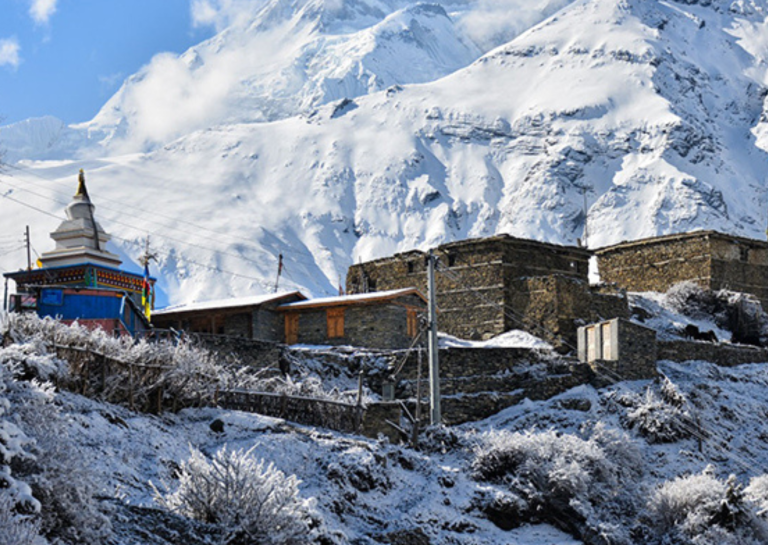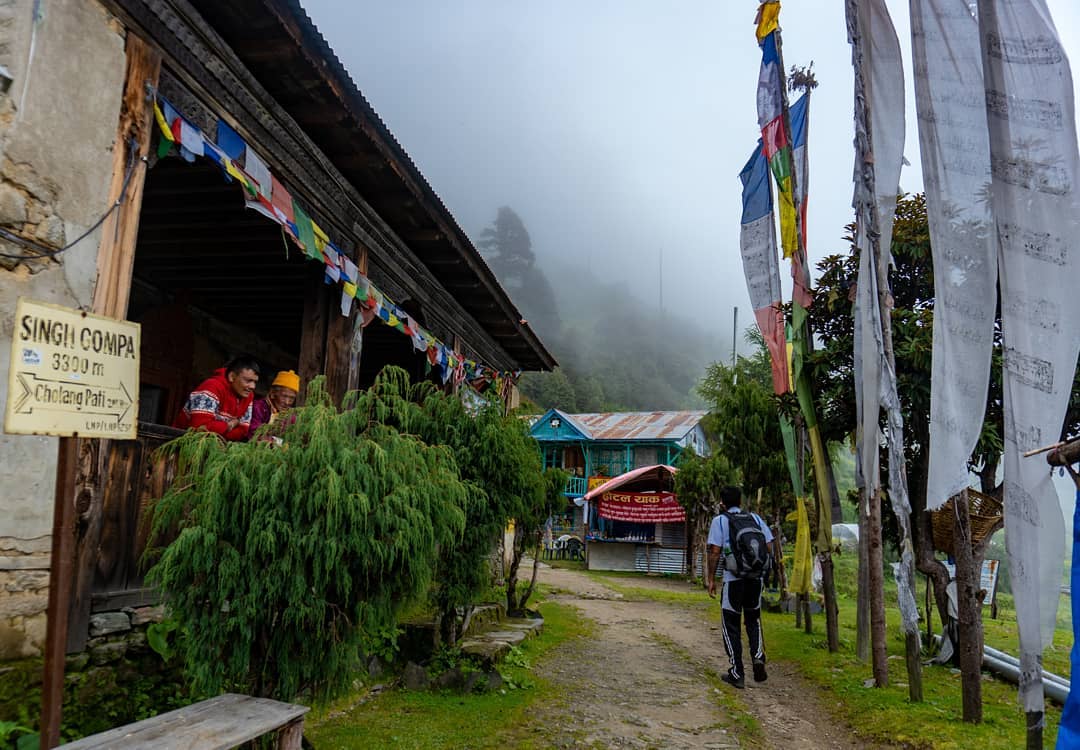
A joint inspection team has fined 26 hotels and temporary shelters along the popular Gosainkunda trekking route for failing to comply with government-mandated operational and hygiene standards. The operation aimed to ensure the safety, hygiene, and financial transparency of services provided to thousands of pilgrims and trekkers visiting the sacred lake during the Janai Purnima festival and trekking season.
Joint Monitoring Team Conducts Surprise Inspection
A special joint monitoring team, led by the Assistant Chief District Officer of Rasuwa, carried out the inspection mission. The team included representatives from the District Security Agencies, Langtang National Park Office, the Treasury and Accounts Controller Office, and officials from the Gosainkunda Rural Municipality. The group trekked to different areas along the route, inspecting both permanent hotel structures and temporary shelters known as tharpu, which are set up to accommodate the seasonal influx of visitors.
The monitoring was timed to coincide with the pilgrimage season, which peaks during Janai Purnima, a Hindu festival that draws thousands of devotees and trekkers to the holy Gosainkunda Lake. Officials stated that the increased tourist flow calls for stringent checks to ensure visitor safety and proper service delivery by local businesses.
Widespread Non-Compliance Detected
According to the findings of the monitoring team, 26 businesses were found to be non-compliant with the guidelines issued by the District Administration Office (DAO), Rasuwa. Several forms of violations were identified, many of which directly impacted the environment and public health.
The most prominent shortcomings included the absence of basic sanitary facilities, especially temporary toilets, which are crucial in such high-altitude remote areas lacking public infrastructure. Many establishments also lacked waste management systems, with no dustbins or designated areas for garbage collection, posing a risk of pollution in the ecologically fragile Langtang National Park region.
Further violations included overcharging customers beyond the government-prescribed price list, as well as unprofessional conduct by hotel staff, which raised concerns over the ethical standards of service providers catering to both domestic and international visitors.
Fines Imposed Totaling Rs 380,000
In response to the violations, the DAO Rasuwa imposed collective fines amounting to Rs 380,000 on the 26 non-compliant hotels and shelters. The fine was distributed based on the severity and type of violation found at each establishment. The administration stated that the goal of the fine is not just punitive but also corrective, encouraging all operators along the route to align with environmental and tourism regulations.
The authorities warned that repeated violations in future inspections would result in harsher penalties, including potential shutdowns of operations or bans from operating during the festival season.
Ensuring Safe and Sustainable Tourism
Speaking on behalf of the joint inspection team, the Assistant Chief District Officer emphasized the importance of regulating tourism-based businesses in remote areas like Gosainkunda, which lies within the boundaries of the Langtang National Park. “Gosainkunda is not just a pilgrimage destination; it is part of a protected area and holds religious, cultural, and ecological significance. We cannot allow commercial operators to neglect these responsibilities,” the official said.
Local authorities have pledged to increase routine inspections, particularly during the high-tourist seasons, to ensure compliance and foster a responsible tourism culture. They have also urged hotel operators and temporary shelter providers to install at least basic sanitary infrastructure and follow fair pricing practices.
Local Bodies and Park Authorities Join Hands
Officials from the Langtang National Park Office and Gosainkunda Rural Municipality expressed their commitment to working closely with local entrepreneurs to build awareness and provide logistical support for better waste disposal and sanitation. They acknowledged that many of the violators were not deliberately flouting rules but lacked awareness or resources to implement the required changes.
The Treasury and Accounts Controller Office also played a key role in auditing the pricing and billing practices of shelters. Many businesses were found to be operating without standard rate charts, while others were charging inflated prices, particularly during peak trekking periods. Pilgrims and trekkers had lodged complaints about sudden price hikes, prompting authorities to take strict action this year.
Public Response and Future Actions
Trekkers and pilgrims have welcomed the inspection and fines, stating that the move will push for improved hygiene, fair pricing, and ethical conduct by service providers. “Last year, we had to pay double the regular rate and there were no toilets or even clean drinking water. This inspection gives hope that things will improve,” said a pilgrim from Kathmandu.
The District Administration Office has stated that it will continue to engage with stakeholders to implement training and awareness programs for hotel owners and staff along the route. The goal is to maintain Gosainkunda’s reputation as a sacred and clean trekking destination, while also ensuring that tourism brings sustainable benefits to the local economy.
The fines imposed on 26 hotels and shelters along the Gosainkunda trail serve as a strong reminder that tourism, particularly in environmentally sensitive and culturally significant regions, must be managed with accountability. The joint monitoring effort marks a proactive step by local authorities in preserving the sanctity, cleanliness, and safety of one of Nepal’s most revered pilgrimage sites.