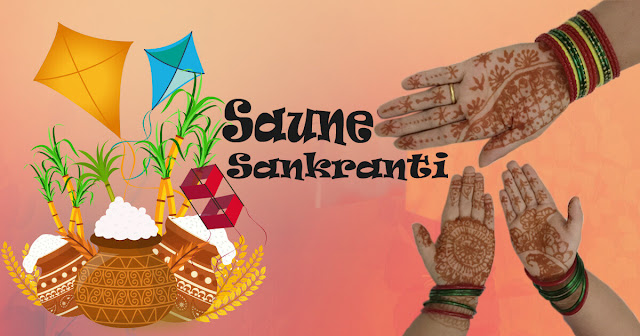
Today, Nepal is celebrating Shrawan (Karkat) Sankranti, observed annually on the first day of the month of Shrawan according to the solar calendar. The festival is marked by bathing, almsgiving, and family gatherings across the country.
This day, considered auspicious, signifies the Sun’s transition from Gemini into Cancer. With this transition, the Sun begins its southward journey, marking the start of Dakshinayan. The transitions of Uttarayan, starting on Magh 1, and Dakshinayan on Shrawan 1, hold special significance and are celebrated with traditional fervor.
During the month of Ashadh, most Nepalis are occupied with agricultural activities. The muddy conditions often lead to skin-related ailments, prompting the tradition of “luto phalne” or the cleansing of skin diseases on this day, as explained by religious scholar Prof. Dr. Devmani Bhattarai.
After a month of hard work, farmers celebrate Shrawan Sankranti by gathering with relatives for a day of joy and festivities. Traditionally, they use medicinal plants like kagbhayalo, kukurdaine, lutejhar, paniamala, lemon, guava, and pears to worship the demon Kandaraka, followed by the ritual of throwing away ‘luto’ (skin ailments) with a slingshot.
In line with their ancestral customs, people make noise with nanglo (winnowing trays), blow conch shells, ring bells, and close doors while performing the ‘luto phalne’ ritual. Saun is also a month dedicated to worshipping Lord Shiva, with devotees offering special prayers.
Women, in particular, celebrate the month by wearing green bangles and clothes, symbolizing their closeness to nature. Prof. Bhattarai noted that green and red garments and bangles are especially popular among women during this month, with many donning these colors to partake in the festivities.
Shrawan Sankranti, thus, not only marks a significant celestial transition but also reinforces community bonds through shared rituals and celebrations, reflecting Nepal’s rich cultural heritage.