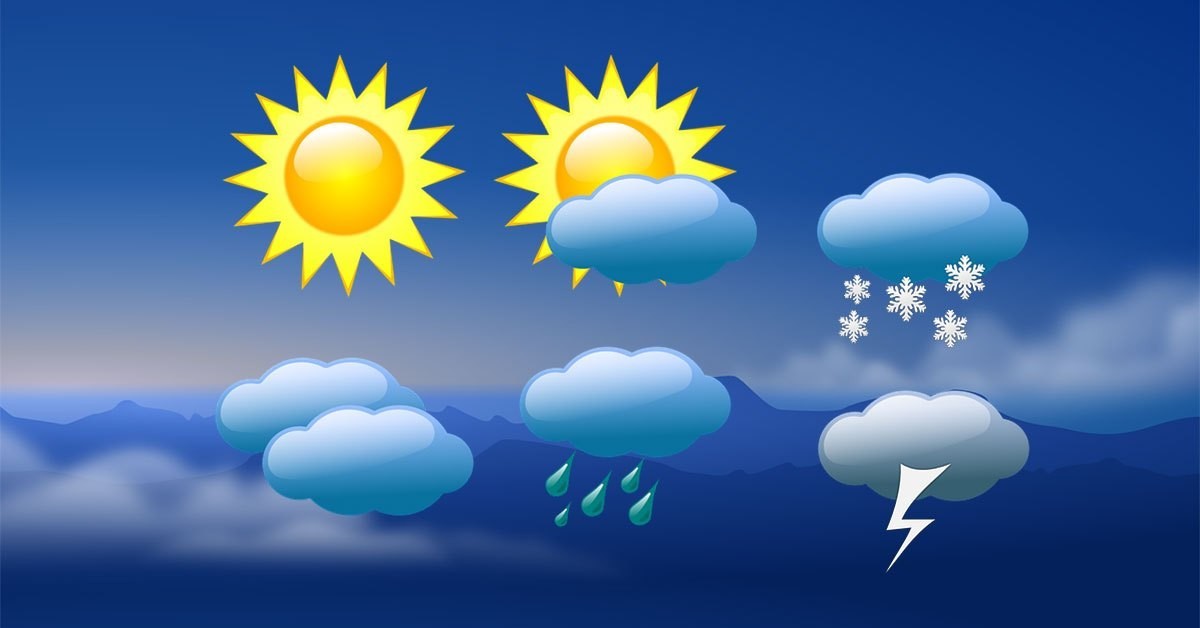
The Weather Forecasting Division has reported a noticeable shift in the monsoon low-pressure trough, currently positioned to the south of its normal location in the eastern region, while remaining in its usual position in the west. This shift in the trough’s alignment is expected to influence the overall weather pattern across Nepal, bringing moderate rainfall in select provinces and partly cloudy conditions in other areas.
Current Monsoon Situation
According to meteorologists, the monsoon trough is an important factor in determining rainfall patterns during the wet season. Its present location, slightly to the south in the eastern part of the country, indicates that moisture-laden winds are being channeled differently compared to the usual monsoon trajectory. The western part of the trough, however, remains in its standard position, meaning that the weather impacts are expected to be varied across regions.
The Division explained that this southern shift in the east could result in increased precipitation activity in certain areas while leaving other regions with milder weather conditions. The change in the trough’s position is part of a dynamic monsoon system that can alter rapidly depending on atmospheric pressure variations over the Bay of Bengal and the Arabian Sea.
Forecast for Today: Cloudy Skies and Localized Rainfall
For today, the Division has forecast generally cloudy skies in the hilly parts of the country, while the rest of Nepal will experience partly cloudy conditions. The moisture concentration in the atmosphere is expected to trigger moderate rainfall in some areas, particularly in Koshi Province and Sudurpaschim Province.
One or two places in the Tarai belt may also experience short spells of rainfall, though the intensity is expected to be less compared to the hill regions. Farmers in these areas are being advised to take advantage of the rainfall for seasonal crop irrigation, while also preparing for possible localized flooding in low-lying regions.
Evening and Night Weather Outlook
Later tonight, the weather is expected to follow a similar pattern, with the hilly areas remaining generally cloudy and other parts of the country seeing partly cloudy skies. The forecast suggests moderate rainfall at a few places in Koshi, Bagmati, and Gandaki provinces, along with the rest of the country’s hilly regions.
Meteorologists have warned that rainfall in the evening hours could lead to slippery roads and reduced visibility in hilly and mountainous areas. Travelers are being urged to exercise caution while driving, particularly along winding roads and mountain passes.
Impact on Daily Life and Agriculture
The ongoing monsoon season is critical for Nepal’s agriculture sector, which depends heavily on timely and adequate rainfall. Moderate precipitation in provinces such as Koshi, Bagmati, and Gandaki is expected to benefit paddy cultivation, maize fields, and other seasonal crops. However, excessive localized downpours can also cause temporary disruptions, including waterlogging in farmland and delays in harvesting early crops in some districts.
Residents in hilly districts have been advised to remain cautious of possible landslides triggered by rainfall, especially in areas where the soil has already been saturated from previous rain spells. In urban areas, municipal authorities are on standby to manage potential water accumulation in drainage-prone neighborhoods.
Weather Advisory and Preparedness
The Weather Forecasting Division has urged the public to stay updated with regular weather bulletins to plan outdoor and travel activities accordingly. With the possibility of moderate rainfall in multiple provinces, people are advised to carry rain gear, avoid unnecessary travel in landslide-prone zones, and monitor local alerts for any sudden weather changes.
Emergency response teams in hilly districts have been reminded to keep rescue equipment ready, while farmers are being encouraged to ensure proper water drainage in agricultural fields to prevent crop damage from excessive moisture.
Understanding the Monsoon Trough
The monsoon trough is a seasonal feature of South Asian weather systems—a stretch of low pressure that typically extends from the northwest of India to the Bay of Bengal. Its position determines the distribution of rainfall across the subcontinent. When the trough shifts southward, as seen in the eastern part of Nepal today, it tends to bring increased rain to areas closer to the Himalayan foothills, while reducing precipitation in areas further north of its axis.
Weather experts point out that such shifts can occur due to changes in the monsoon winds, the development of low-pressure systems over the Bay of Bengal, or interactions with mid-latitude westerly disturbances. These variations are closely monitored as they can influence rainfall patterns for days or even weeks at a time.
Outlook for the Coming Days
While the current forecast indicates moderate rainfall in specific provinces, the Division will continue to monitor the monsoon system’s behavior. If the eastern trough remains in its current southern position for several more days, parts of the Koshi and Bagmati provinces could see increased cumulative rainfall totals. Conversely, if the trough shifts northwards again, rainfall distribution could become more widespread across the country.
Meteorologists have emphasized that the coming days could see fluctuating weather patterns, and the public should be prepared for both sudden rain showers and brief sunny intervals. The combination of high humidity and intermittent rainfall is typical for late August in Nepal.
The Weather Forecasting Division’s latest update highlights the delicate balance of Nepal’s monsoon system, with the trough’s position directly influencing regional weather conditions. While today’s forecast offers much-needed rainfall for agriculture in provinces such as Koshi, Bagmati, and Gandaki, it also brings challenges in terms of travel safety and disaster preparedness.
Residents, farmers, and travelers alike are being urged to remain vigilant, follow weather advisories, and adapt their activities to the shifting monsoon dynamics. As the season progresses, the country will continue to navigate the fine line between harnessing the benefits of the monsoon rains and managing the risks associated with them.