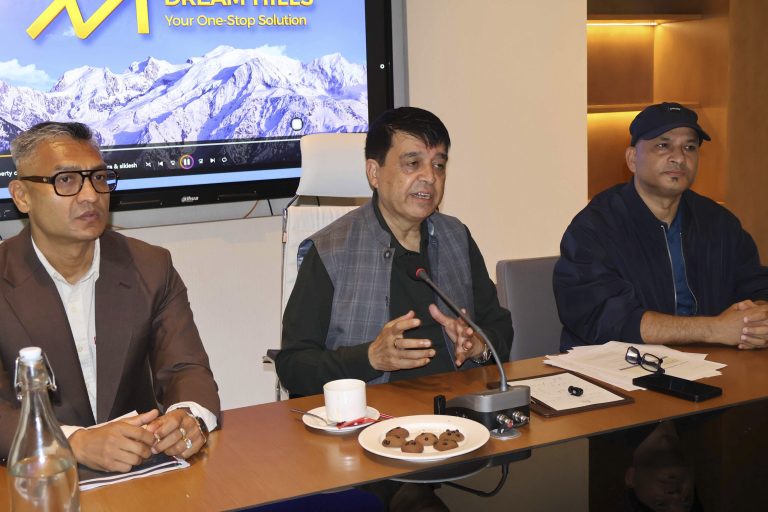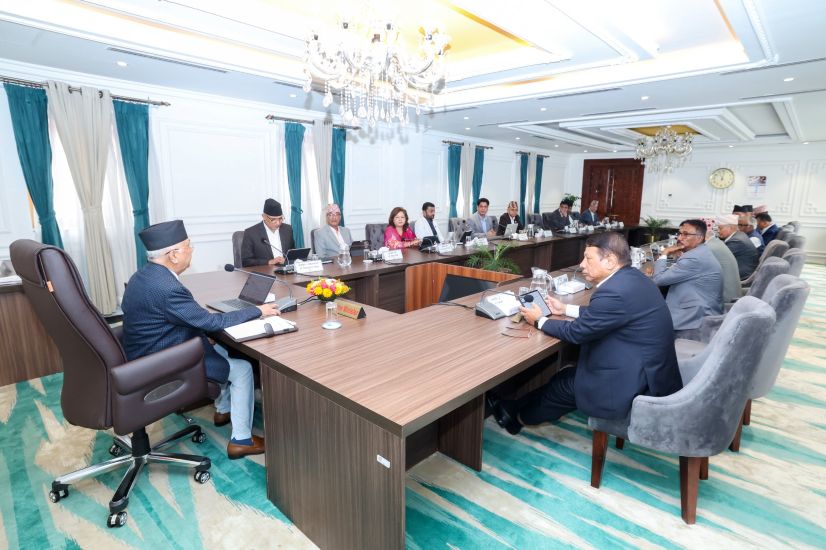
The Government of Nepal has officially decided to establish a new national park, named Chhayanath National Park, in the Mugum Karmarong Rural Municipality of Mugu district. This landmark decision was made during a Cabinet meeting held today, following a proposal submitted by the Ministry of Forests and Environment, according to Minister of Forests Ain Bahadur Shahi Thakuri.
The establishment of Chhayanath National Park marks a significant milestone for Nepal’s conservation efforts, particularly in the far western region of the country, where access and infrastructure have historically been limited.
Second National Park in Mugu District
Chhayanath National Park becomes the second national park in Mugu, following the creation of Rara National Park in 2032 BS, roughly 50 years ago. Minister Shahi emphasized that the decision reflects both a continuation of Nepal’s commitment to protecting biodiversity and a response to the needs of local communities.
“After decades since Rara National Park was established, this initiative aims to further safeguard the region’s natural heritage while providing accessible conservation areas for local residents,” Minister Shahi stated.
Nepal’s Youngest National Park
Located specifically in Mugum Karmarong Rural Municipality-1, Chhayanath National Park has the distinction of being Nepal’s youngest national park. With its creation, the total number of national parks in Nepal has increased to 13, reflecting the country’s ongoing commitment to environmental preservation and ecological management.
The park encompasses a carefully designated area of approximately 906 square kilometers, separated from the Dolphu region of Mugum Karmarong, which was previously connected to Shey-Phoksundo National Park in Dolpa.
Addressing Local Community Challenges
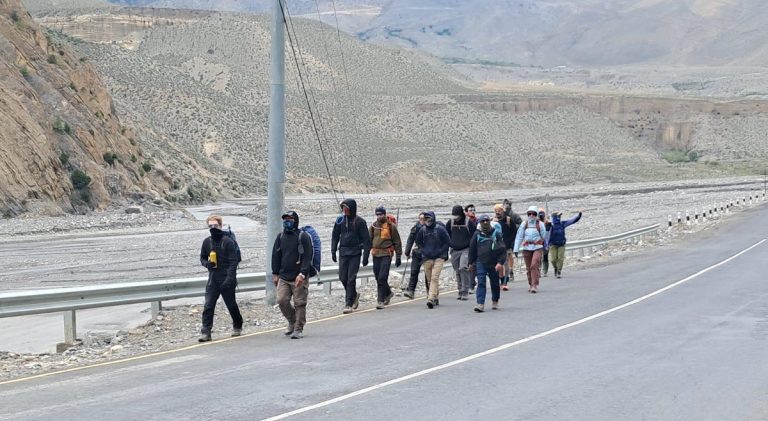
The decision to establish a separate national park was significantly influenced by the challenges faced by local residents. People living in the Dolphu area previously had to travel nearly one week on foot to access Shey-Phoksundo National Park for work-related purposes. Recognizing this hardship, the government decided to create a distinct national park that would reduce travel burdens and provide better management of the region’s natural resources.
Minister Shahi explained, “The creation of Chhayanath National Park is not only a conservation effort but also a practical solution to ease the suffering of local communities who travel long distances for work and other activities in the neighboring national park.”
Request from Mugum Karmarong Rural Municipality
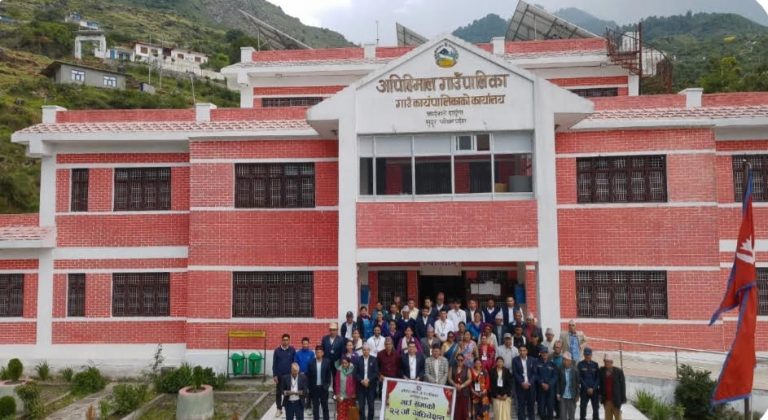
The local government of Mugum Karmarong Rural Municipality had formally requested the Ministry of Forests and Environment to consider separating the area connected to Shey-Phoksundo National Park and designating it as an independent conservation area.
This collaboration between local authorities and the central government underscores a growing trend in Nepal where community needs are integrated into conservation planning. By acknowledging the geographical and logistical challenges of residents, the government has taken a community-centric approach to establishing Chhayanath National Park.
Ecological and Conservation Significance
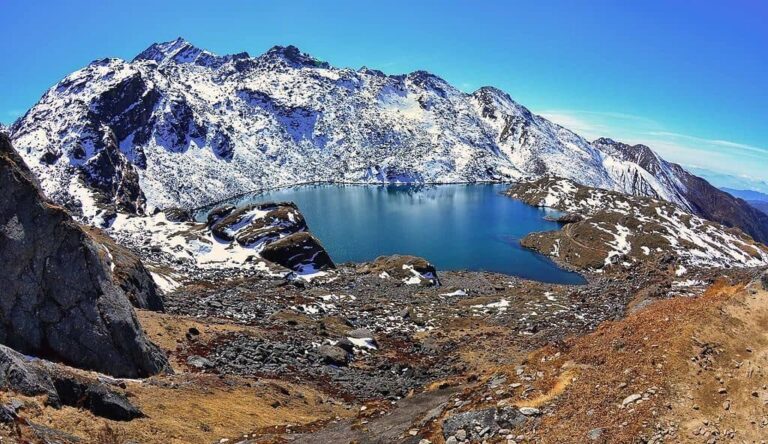
The newly established national park is expected to play a crucial role in protecting the region’s unique biodiversity. Mugum Karmarong is known for its rich flora and fauna, including several endemic and endangered species. By creating a dedicated conservation area, the government aims to strengthen habitat protection, promote eco-tourism, and encourage sustainable development in one of Nepal’s most remote districts.
Experts predict that Chhayanath National Park could also serve as an extension of conservation efforts in Shey-Phoksundo National Park, providing additional habitat corridors for wildlife while allowing for better management of human-wildlife interactions.
Boosting Tourism and Local Economy
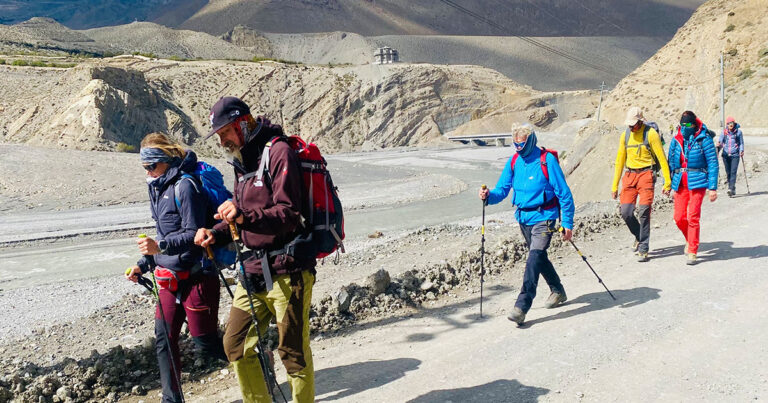
In addition to ecological benefits, the establishment of Chhayanath National Park is expected to have positive economic implications for the region. Improved conservation status and infrastructure development can attract eco-tourists and researchers, creating new livelihood opportunities for local communities.
Minister Shahi highlighted that national parks not only conserve natural heritage but also have the potential to boost local employment and community-based tourism, which can play a vital role in sustainable development for remote municipalities like Mugum Karmarong.
Strengthening Nepal’s National Park Network
With this latest addition, Nepal now boasts 13 national parks, each contributing to the protection of the country’s diverse ecosystems. From the Terai lowlands to the Himalayan highlands, Nepal’s national parks have become cornerstones of biodiversity conservation, environmental education, and sustainable tourism development.
Chhayanath National Park represents a continued effort by the government to balance environmental conservation with social and economic considerations, particularly in remote regions where community access and infrastructure remain challenging.
The creation of Chhayanath National Park is a historic step in Nepal’s conservation journey, reflecting both environmental priorities and the needs of local residents in Mugu. By separating approximately 906 square kilometers of land from the Dolphu area and establishing it as a distinct park, the government has set a precedent for community-oriented conservation planning.
As Nepal moves forward, the success of Chhayanath National Park will depend on effective management, community engagement, and sustainable tourism strategies, ensuring that this youngest national park thrives for generations to come.