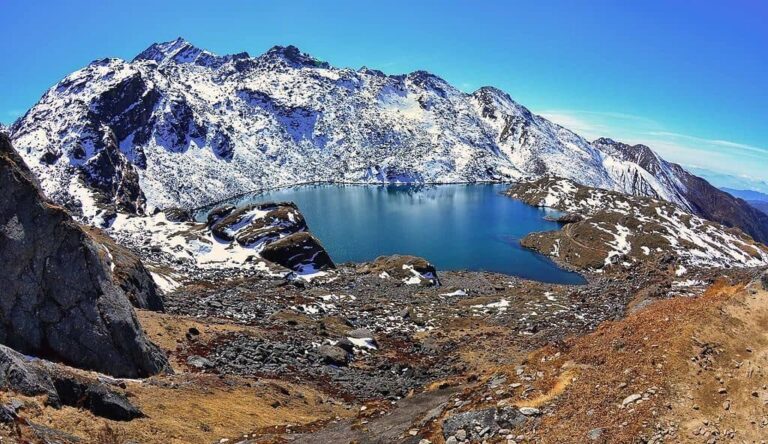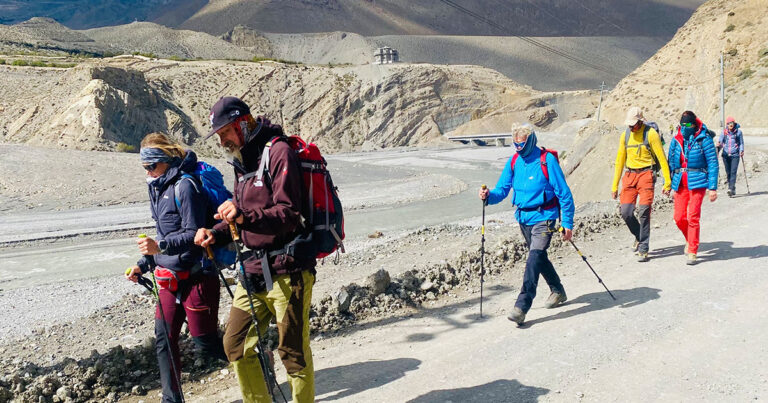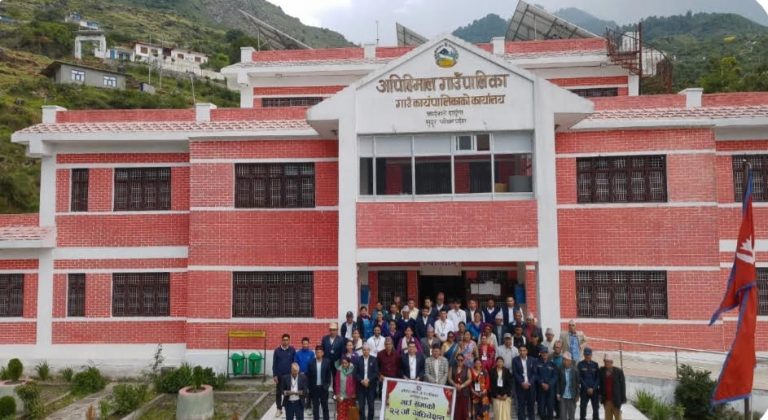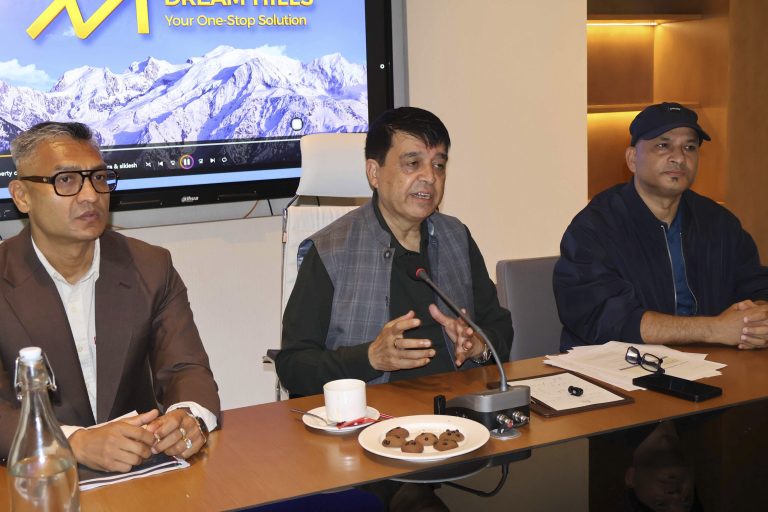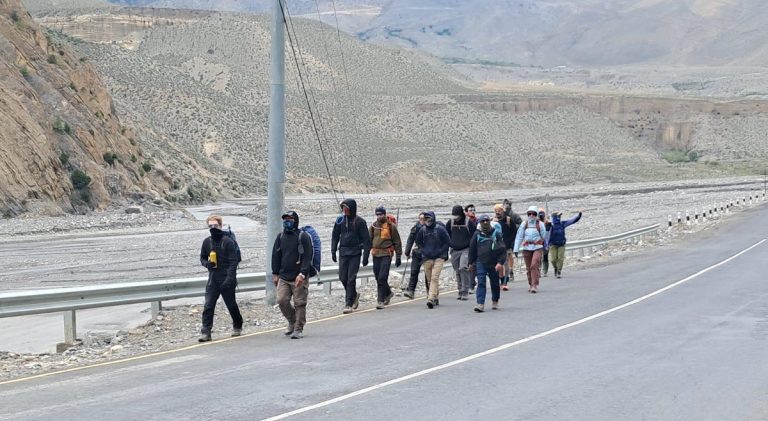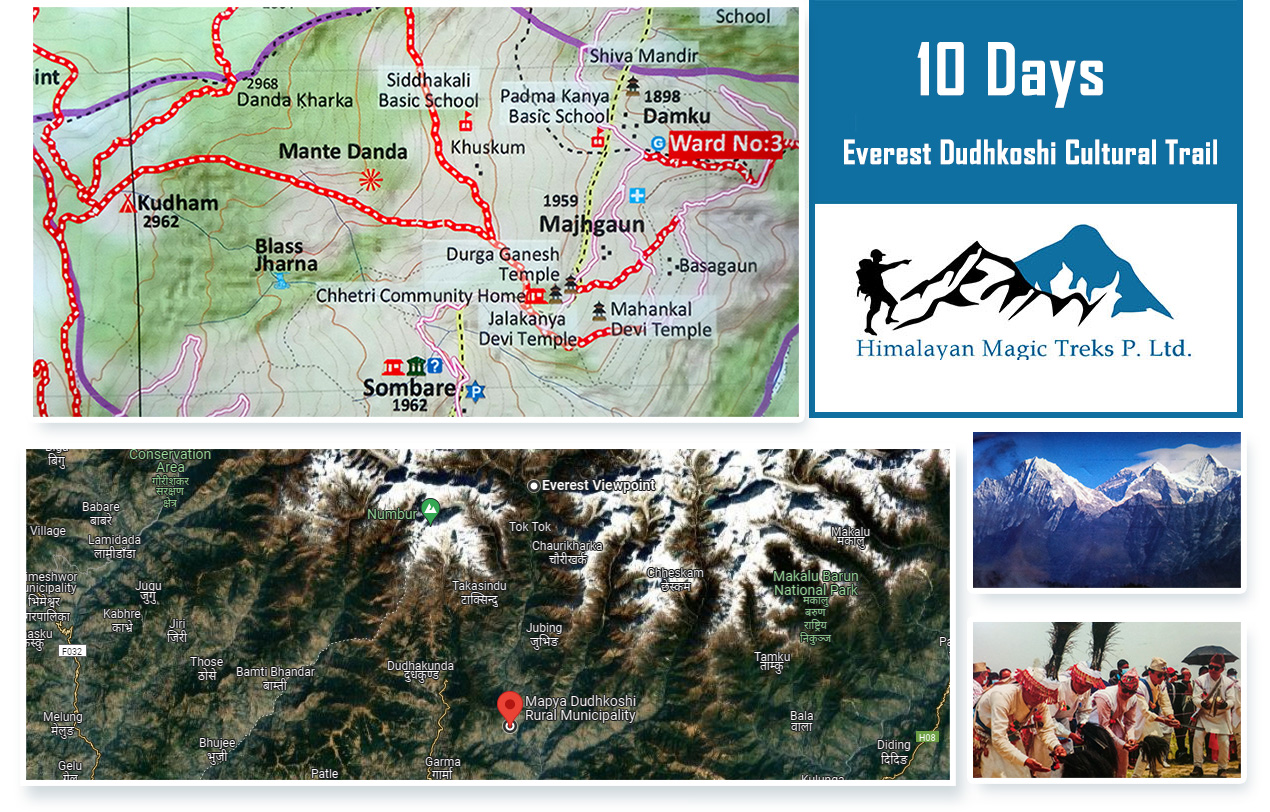
The Everest Dudhkoshi Cultural Trail spans a journey of 5 to 9 days, covering multiple villages and surrounding rural municipalities. In a significant stride towards promoting sustainable tourism and cultural exploration in the Solukhumbu region, the Trekking Agencies’ Association of Nepal (TAAN), in collaboration with the Nepal Tourism Board and the Mapya Dudhkoshi Rural Municipality, has officially unveiled the Everest Dudhkoshi Cultural Trail. The new trekking route, designed to span 5 to 9 days, will connect Mapya Dudhkoshi and neighboring municipalities, offering visitors an immersive journey through the natural and cultural landscapes of the Everest region.
Collaboration Between Local Governments and Tourism Bodies
The Everest Dudhkoshi Cultural Trail represents a remarkable example of coordinated efforts between local authorities, tourism organizations, and private stakeholders. Mapya Dudhkoshi Rural Municipality led the initiative, working closely with the Nepal Tourism Board (NTB) and TAAN to ensure that the trail not only provides an enriching trekking experience but also fosters sustainable tourism practices.
“This trail is a testament to the commitment of local communities and tourism professionals to promote culturally immersive trekking experiences while safeguarding the environment,” said a spokesperson from TAAN. “By integrating local villages and cultural sites along the trail, visitors will gain firsthand insights into the traditions, lifestyles, and heritage of the people in Solukhumbu.”
Highlights of the Trail
The Everest Dudhkoshi Cultural Trail is designed to offer trekkers an authentic mix of adventure and cultural engagement. The 5- to 9-day route passes through traditional Sherpa villages, scenic landscapes, and lesser-known cultural landmarks. Travelers will have the opportunity to explore local monasteries, cultural festivals, and age-old practices, providing a unique alternative to the more commercialized Everest Base Camp trek.
Additionally, the trail emphasizes community-based tourism, ensuring that local residents benefit economically from trekking activities. By promoting homestays, local guides, and cultural programs, the initiative aims to create a sustainable model that empowers communities while preserving cultural authenticity.
Official Launch Event
The official launch ceremony of the Everest Dudhkoshi Cultural Trail is scheduled to take place on Monday, 1 September 2025 (16 Bhadra 2082) at the Nepal Tourism Board Auditorium, Bhrikutimandap, Kathmandu, starting at 8:00 PM.
The event will be graced by Honorable Minister for Defense, Manbir Rai, as the chief guest, along with the Secretary of the Ministry of Culture, Tourism, and Civil Aviation as a special guest. The ceremony will provide an opportunity for tourism professionals, government representatives, and media personnel to explore the vision and future prospects of the trail.
A TAAN representative stated, “We cordially invite tourism stakeholders, travel enthusiasts, and the general public to attend the launch and witness the official unveiling of a trail that promises to redefine trekking experiences in Nepal.”
A Step Towards Promoting Cultural Tourism
With the launch of the Everest Dudhkoshi Cultural Trail, Nepal is taking a proactive step toward diversifying its trekking offerings beyond conventional routes. The initiative reflects the country’s dedication to promoting cultural heritage tourism, community development, and environmental sustainability.
Tourists seeking an off-the-beaten-path adventure will now have the chance to explore the unique cultural tapestry of the Solukhumbu region, enjoying both the breathtaking natural scenery and the rich traditions of the local communities. The trail also provides an avenue for responsible tourism practices, where trekkers can experience authentic interactions while minimizing their ecological footprint.
Looking Ahead
The Everest Dudhkoshi Cultural Trail marks a new chapter in Nepal’s tourism sector, aligning with national strategies to enhance tourism accessibility and sustainability. Stakeholders hope that this initiative will stimulate local economies, attract international trekkers, and inspire further development of community-centered trekking routes across the country.
By blending adventure with culture, the trail exemplifies Nepal’s potential as a destination where tourists can connect deeply with both its natural wonders and cultural richness. As the country continues to invest in sustainable tourism infrastructure, initiatives like the Everest Dudhkoshi Cultural Trail are set to become cornerstones of Nepal’s tourism landscape for years to come.