Nepal Government’s recent decision to shut down major social media platforms including Facebook, WhatsApp, and Instagram has triggered significant disruption across various sectors, with tourism and trade in Gandaki Province facing severe setbacks. Local entrepreneurs, particularly in the tourism hub of Pokhara, have expressed deep concerns over cancellations, halted bookings, and the overall slowdown in economic activity.
Immediate Impact on Tourism and Bookings
Tourism operators in Pokhara, one of Nepal’s most visited destinations, report that the ban has directly affected their ability to communicate with clients, particularly international tourists. Many visitors rely on social media to make bookings, confirm reservations, and maintain contact with tour operators and hotels.
“Tourists who were planning to visit have stopped booking, and those who had already booked are starting to cancel,” business owners in Pokhara complained. The absence of these platforms has cut off a vital communication bridge between local service providers and their global clientele, creating uncertainty and distrust among potential visitors.
Federation Raises Concern to Government
The Federation of International Nepali Youth Entrepreneurs (FINYE) Gandaki has voiced strong opposition to the move, warning that the decision has not only hurt the business sector but has also jeopardized the daily livelihood of millions.

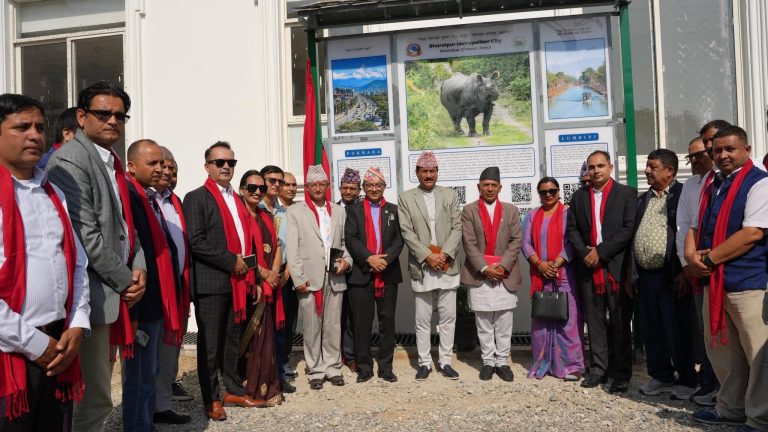
On Sunday, a delegation led by FINYE Gandaki President Amarjung Gurung and General Secretary Chiranjivi Gautam submitted a memorandum to Kaski Chief District Officer (CDO) Rudradevi Sharma. The federation has urged the government to immediately withdraw the decision, citing its far-reaching consequences.
The memorandum stated: “Hundreds of income sources dependent on social media have been affected, impacting the daily lives and employment of millions. Tourists have stopped making bookings, and those who had already booked are now canceling their trips.”
Disruption of Global Business Connections
According to the federation, the ban has damaged international business relationships by cutting off direct communication channels. Many enterprises, especially those dealing with foreign clients, rely heavily on platforms like WhatsApp, Messenger, and Instagram for correspondence, marketing, and customer engagement.
While the federation agrees on the need to regulate social media through proper legislation, they strongly object to the blanket shutdown without adequate legal basis or diplomatic engagement. “We do not oppose regulating social media,” Gautam clarified, “but we disagree with shutting it down without the necessary legal framework or diplomatic measures.”
Concerns Over Freedom of Expression and Democracy
General Secretary Gautam emphasized that restricting social media in this manner infringes on citizens’ rights to freedom of expression and access to information, both of which are essential elements of a democratic society. “This decision undermines the rule of law and democratic values,” he said.
The social media regulation bill is currently under consideration in Parliament. Despite this, the government has relied on a directive based on an old 2006 law to enforce the shutdown. FINYE leaders, including President Gurung, have demanded that the government reverse this decision immediately and instead pursue diplomatic efforts to implement proper regulation.
Call for Diplomatic and Legal Approach
The federation has urged the government to initiate diplomatic talks with social media companies to address any concerns related to regulation, data privacy, or content monitoring. “We request that the government start the regulation process through proper diplomatic channels,” Gurung stated. “We call on the authorities to step back from measures that strip away the jobs of millions and damage the economy, and instead make decisions in favor of both businesses and ordinary citizens.”
Tourism Season Threatened
FINYE Gandaki Spokesperson Krishna Acharya expressed frustration, noting that the government’s move has come at the worst possible time – just as trekking and tourist seasons were beginning in the region. “This is the season when tourists flock to trekking routes and adventure activities,” Acharya explained. “Our maximum contacts and business communications were done through Facebook and most of our conversations with clients happened on WhatsApp. With these platforms down, our business ties have been broken.”
According to Acharya, some tourists have even questioned why they should visit a country where major communication platforms are inaccessible. “They say, ‘If we cannot even communicate with you easily while in your country, why should we come at all?’” he added.
Economic Ripple Effect
The Gandaki Province economy, heavily reliant on tourism, hospitality, and related services, is already feeling the ripple effect. Restaurants, tour agencies, trekking companies, hotels, and even local transport services are experiencing declines in customer inquiries and bookings. Small entrepreneurs who depend on social media marketing to promote local products are also struggling to reach potential buyers, both domestically and internationally.
Experts warn that if the ban continues, the impact will deepen, leading to job losses, decreased foreign exchange earnings, and a long-term decline in Nepal’s reputation as a tourist-friendly destination.
Entrepreneurs Demand Swift Action
In conclusion, Gandaki-based entrepreneurs are united in their demand for an immediate reversal of the ban. They acknowledge the importance of regulating online platforms to prevent misuse but argue that an outright shutdown is a counterproductive approach that risks long-term harm to Nepal’s economy and international image.
Through their memorandum to CDO Sharma, they have called on the government to adopt a balanced strategy, one that safeguards national interests while ensuring that businesses, citizens, and tourists can communicate freely and efficiently. If the government fails to act swiftly, stakeholders fear that not only will the tourism season be ruined, but the overall confidence of investors and visitors in Nepal will also take a significant hit.