Nepal is currently experiencing the ongoing effects of the monsoon, according to the Department of Hydrology and Meteorology. The monsoon trough is presently located further south than its average position, which is influencing the rainfall patterns across the country.
Morning Rainfall Recorded Across Multiple Provinces
On Monday morning, rainfall was reported in various parts of Koshi, Madhesh, Bagmati, Gandaki, and Karnali provinces. Updated data from the Department shows that Melamchi Ghyang in Sindhupalchok recorded 10.2 millimeters of rainfall within the last hour. Similarly, Tarke Ghyang in Sindhupalchok received 9 millimeters, Letang in Morang 6.6 millimeters, Taplejung 6.4 millimeters, and Mulghat in Dhankuta 4.2 millimeters.
Light to scattered rainfall has also been reported in different areas of Kaski, Myagdi, Mustang, Lamjung, Sindhupalchok, Dolakha, Jhapa, Panchthar, Dhankuta, Siraha, Udayapur, and Sarlahi districts.

Afternoon Monsoon Forecast
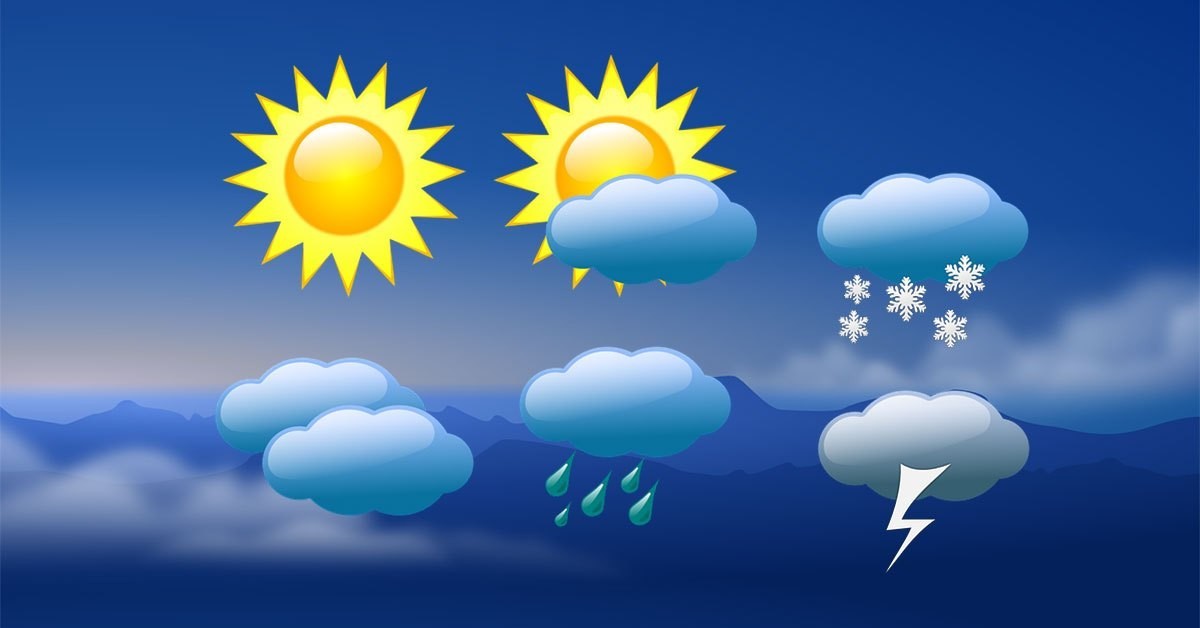
The Department forecasts that, during the afternoon, hilly regions of the country will generally remain mostly cloudy, while other parts will experience partly cloudy conditions. Some areas in the hilly regions and a few locations in the Terai are expected to receive moderate rainfall.
Moreover, there is a possibility of heavy rainfall at one or two locations in the hilly regions of Koshi Province and Bagmati Province during the afternoon.
Nighttime Conditions and Heavy Rain Alerts
For the night, the weather in the hilly areas of Koshi Province, Madhesh Province, and Bagmati Province is expected to remain mostly cloudy, while the rest of the country will experience partial cloud cover.
The Department has indicated that some areas in the hilly parts of Koshi, Madhesh, and Bagmati provinces, along with a few parts of the remaining hilly and Terai regions, may receive moderate rainfall. There is also a possibility of heavy rainfall at one or two places in both the hilly and Terai regions of Koshi Province during the night.
Potential Risks and Preparedness
Given the ongoing rainfall patterns and the forecast of heavy rain in certain areas, the Department has urged residents, especially in flood-prone and landslide-prone zones, to remain cautious. Heavy rainfall in hilly regions could trigger landslides, while in the Terai and low-lying areas, there is a risk of localized flooding.
Local authorities have been advised to monitor weather updates closely and be prepared for possible emergency responses in case of natural disasters triggered by the rains. Travelers heading towards hilly and mountainous regions have also been urged to take necessary precautions, as slippery roads and landslides could disrupt transportation.
Seasonal Context
This period marks the peak phase of the monsoon in Nepal, which typically lasts from June to September. The monsoon is crucial for agriculture, as it provides most of the annual rainfall needed for farming activities. However, it also brings the risk of natural hazards, especially in geographically vulnerable areas.
Meteorologists have emphasized the importance of early warnings and timely preparedness measures to minimize damage to life and property during intense monsoon activity.