The monsoon department and Weather Forecasting Division has forecasted generally cloudy conditions over most parts of Nepal today, with scattered rainfall in several provinces. The ongoing monsoon system continues to influence the country’s weather patterns, bringing both relief from the heat and potential hazards in certain regions.
Monsoon System and Current Weather Conditions
Nepal is currently under the influence of the southwest monsoon. According to the Division, the low-pressure belt of the monsoon is situated towards the south of its average position. This shift has caused extensive cloud cover over the nation, with more intense weather activity concentrated in the eastern and central parts of the country.
Some parts of Koshi, Madhes, Bagmati, Gandaki, and Lumbini provinces are experiencing moderate to heavy rainfall. The precipitation varies from light showers in some areas to continuous downpours in others. Meteorologists have also indicated that this trend could persist for the next 24 hours, depending on the movement of the monsoon belt.
Rainfall Patterns and Regional Impact
Koshi Province, particularly the hilly and mountainous districts, has reported rainfall since early morning. This has led to rising water levels in small streams and rivers, creating concerns among local communities living along riverbanks. In Madhes Province, scattered rainfall has provided some respite from the recent heatwave, but farmers are cautiously watching for potential flooding that could damage crops.
Similarly, Bagmati Province, including parts of Kathmandu Valley, has seen intermittent rainfall. While the showers have helped in cooling down the temperature, they have also caused minor disruptions to traffic in some areas due to waterlogging. Gandaki and Lumbini provinces are also reporting rainfall, with localized heavy showers in some districts.
Risks of Landslides and Floods
The Weather Forecasting Division has issued a cautionary notice, warning residents, travelers, and authorities about possible landslides, debris flows, and floods. Continuous rainfall in mountainous regions significantly increases the risk of soil erosion and slope instability. The Department of Hydrology and Meteorology has particularly advised caution for those living in landslide-prone areas of eastern and central Nepal.
In addition to landslides, the Division has warned that swollen rivers and streams could trigger flash floods. Smaller water channels are especially vulnerable to sudden surges in flow, which can affect settlements, agricultural lands, and roads. Communities in low-lying areas and along riverbanks are urged to remain alert and follow updates from local authorities.
Preparedness and Safety Measures
Local governments in the affected provinces have begun coordinating with disaster management units to monitor vulnerable areas. Rescue teams and emergency services have been kept on standby in case of any natural disaster. Public awareness campaigns are being conducted to inform residents about evacuation procedures, safe shelter locations, and the importance of avoiding risky travel during heavy rain.
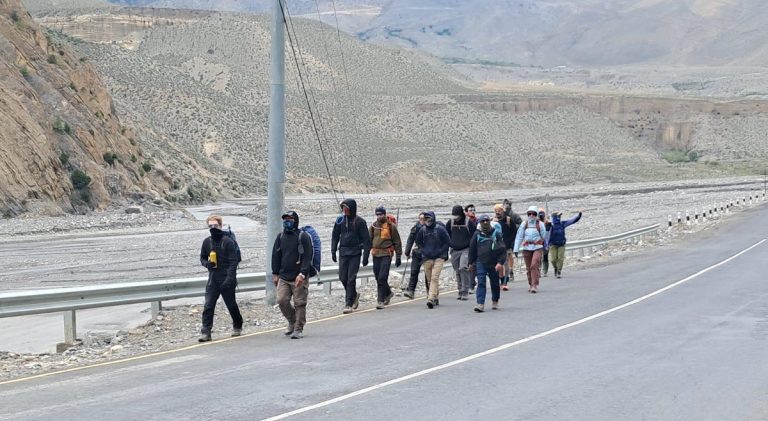
Authorities have also encouraged travelers to plan their journeys carefully, particularly in hilly and rural areas where landslides may block roads. The Department has urged caution for drivers and pedestrians, especially along highways and rural routes that pass through steep slopes.
Agricultural Outlook and Water Resources
While the rainfall poses certain hazards, it also plays a crucial role in supporting agriculture during the monsoon season. Farmers in several parts of Nepal are welcoming the showers, as they provide essential water for paddy fields and other seasonal crops. Adequate rainfall during this period can significantly boost agricultural productivity and replenish groundwater reserves.
However, agricultural experts caution that excessive or prolonged rainfall could damage crops, erode fertile soil, and affect harvests. The challenge lies in balancing the benefits of monsoon rains with the potential risks posed by extreme weather events.
Weather Outlook for the Coming Days
According to the Weather Forecasting Division, cloudy conditions and rainfall are likely to persist in many parts of the country over the next couple of days. Some areas may witness thunderstorms accompanied by strong winds and lightning. The intensity of rainfall will largely depend on the movement of the monsoon low-pressure system, which meteorologists are closely monitoring.
The Division has assured the public that regular weather updates will be provided through official channels, including radio, television, and online platforms. People are encouraged to stay informed and take necessary precautions to ensure safety during the monsoon period.
With Nepal under the active influence of the monsoon, residents are experiencing a mix of benefits and challenges. The cloudy skies and rainfall bring much-needed water for agriculture and relief from the summer heat, but they also carry the risks of landslides, floods, and other hazards. Authorities, communities, and individuals alike are urged to remain alert, prioritize safety, and adapt to the changing weather conditions as the monsoon season progresses.