The Department of Hydrology and Meteorology’s Weather Forecasting Division has reported a shift in the monsoon’s low-pressure line, with its western section positioned further south than the seasonal average and its eastern section lying close to the normal location. This change in the monsoon pattern is expected to influence weather conditions across various parts of Nepal, bringing a mix of partial to complete cloud cover and varying levels of rainfall.
Afternoon Weather Outlook
According to the division, this afternoon will see generally cloudy conditions in Koshi Province, Madhesh Province, and the country’s hilly regions, while the remaining areas will experience partly cloudy skies. Moderate rainfall is likely in some parts of the hilly regions of Koshi, Bagmati, and Gandaki Provinces, as well as in certain areas of Madhesh Province, and other hilly and Terai regions.
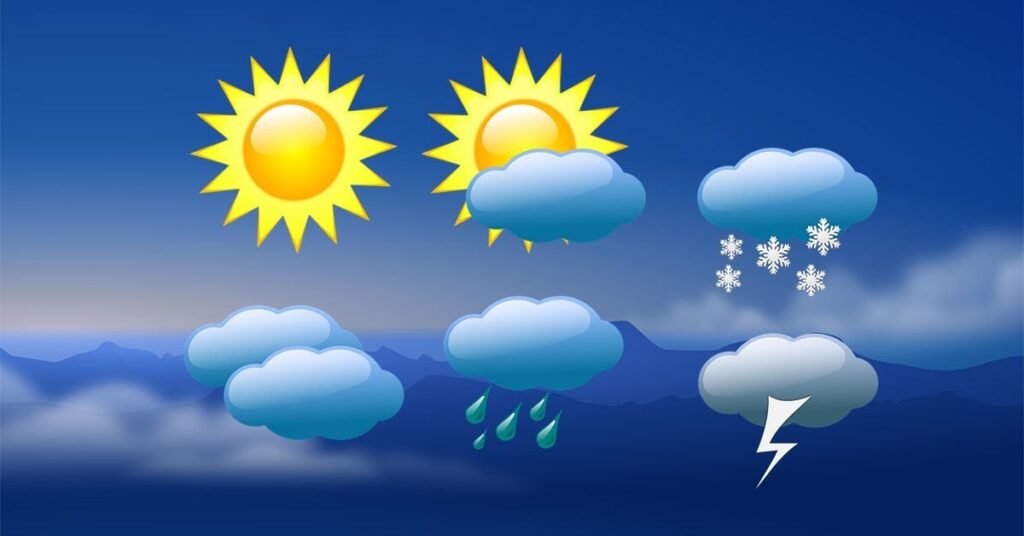
In addition, there is a possibility of heavy rainfall at one or two locations in the hilly regions of Koshi, Bagmati, and Gandaki Provinces. These weather conditions may disrupt daily activities and increase the risk of water-induced disasters in vulnerable areas.
Nighttime Weather Forecast
The nighttime forecast suggests that most parts of the country will remain generally cloudy. Moderate rainfall is expected in some locations across the hilly regions of Koshi, Bagmati, and Gandaki Provinces, as well as in certain hilly and Terai areas of other provinces. Heavy rainfall at one or two locations in the hilly regions of Koshi, Bagmati, and Gandaki Provinces remains a possibility during the night as well.
This consistent forecast of precipitation underscores the sustained influence of the current monsoon system, which is maintaining wet weather patterns across multiple provinces.
Potential Hazards and Risks
The Department has cautioned that the expected rainfall may trigger landslides and debris flows, particularly in landslide-prone hilly regions. Such events could pose serious risks to life, property, and infrastructure. The department has also projected a rise in water levels in both large and small rivers, streams, and rivulets, which could increase the threat of localized flooding.

Furthermore, transportation networks, especially rural and hilly roads, could face disruptions due to landslides, road blockages, and flooding. These hazards may also delay the delivery of essential goods and services to remote areas.
Advisory for the Public
Given the forecast, the Department of Hydrology and Meteorology has urged residents in high-risk areas to remain vigilant and take necessary precautions. Travelers, farmers, and communities living along riverbanks and steep slopes are advised to stay updated with the latest weather bulletins and prepare for possible emergency situations. People in urban areas are also encouraged to take preventive measures against waterlogging and drainage blockages, which can lead to localized flooding during periods of heavy rainfall.
Preparedness Recommendations
Authorities recommend that local governments and disaster management agencies activate their preparedness plans. This includes ensuring that emergency shelters are ready, maintaining communication lines, and pre-positioning relief materials in disaster-prone regions.
Communities are urged to secure food, clean drinking water, and essential supplies in advance, particularly in remote locations where access can be cut off during heavy rains. Motorists are advised to avoid unnecessary travel in areas with high landslide risks and to check road conditions before starting their journey.
Outlook and Broader Impact
While monsoon rains are essential for agriculture, especially for paddy cultivation in the Terai and lower hilly areas, excessive and concentrated rainfall in short periods can cause significant damage. Landslides not only destroy farmland but also result in loss of lives and damage to infrastructure such as bridges, power lines, and roads. The department has reiterated the importance of balancing agricultural needs with disaster preparedness. Farmers are encouraged to take advantage of the rainfall while also safeguarding crops against potential flooding.
With the monsoon trough positioned differently than usual in the west and rainfall continuing in several provinces, Nepal faces both the benefits and challenges of the rainy season. While the rains will support agricultural productivity, they also bring heightened risks of landslides, floods, and transport disruptions.
The Department of Hydrology and Meteorology has made a clear appeal for heightened vigilance, early preparedness, and close monitoring of the situation to minimize damage and protect lives. Residents, local authorities, and emergency services must work together to ensure safety and resilience during this active phase of the monsoon season.