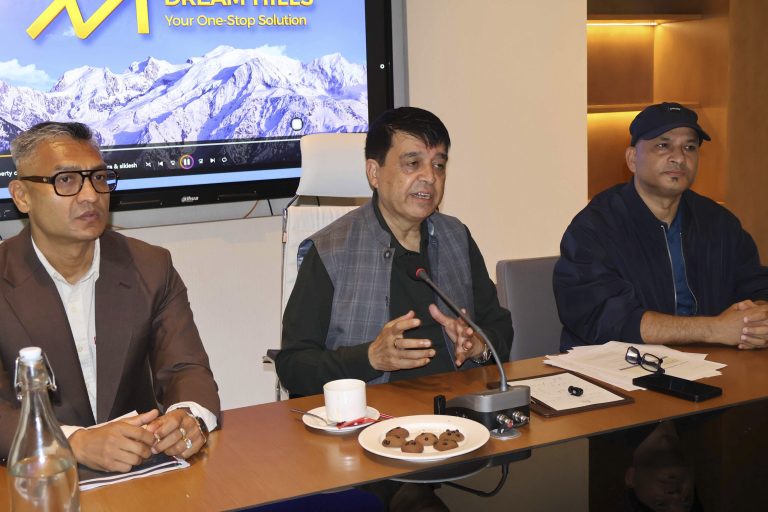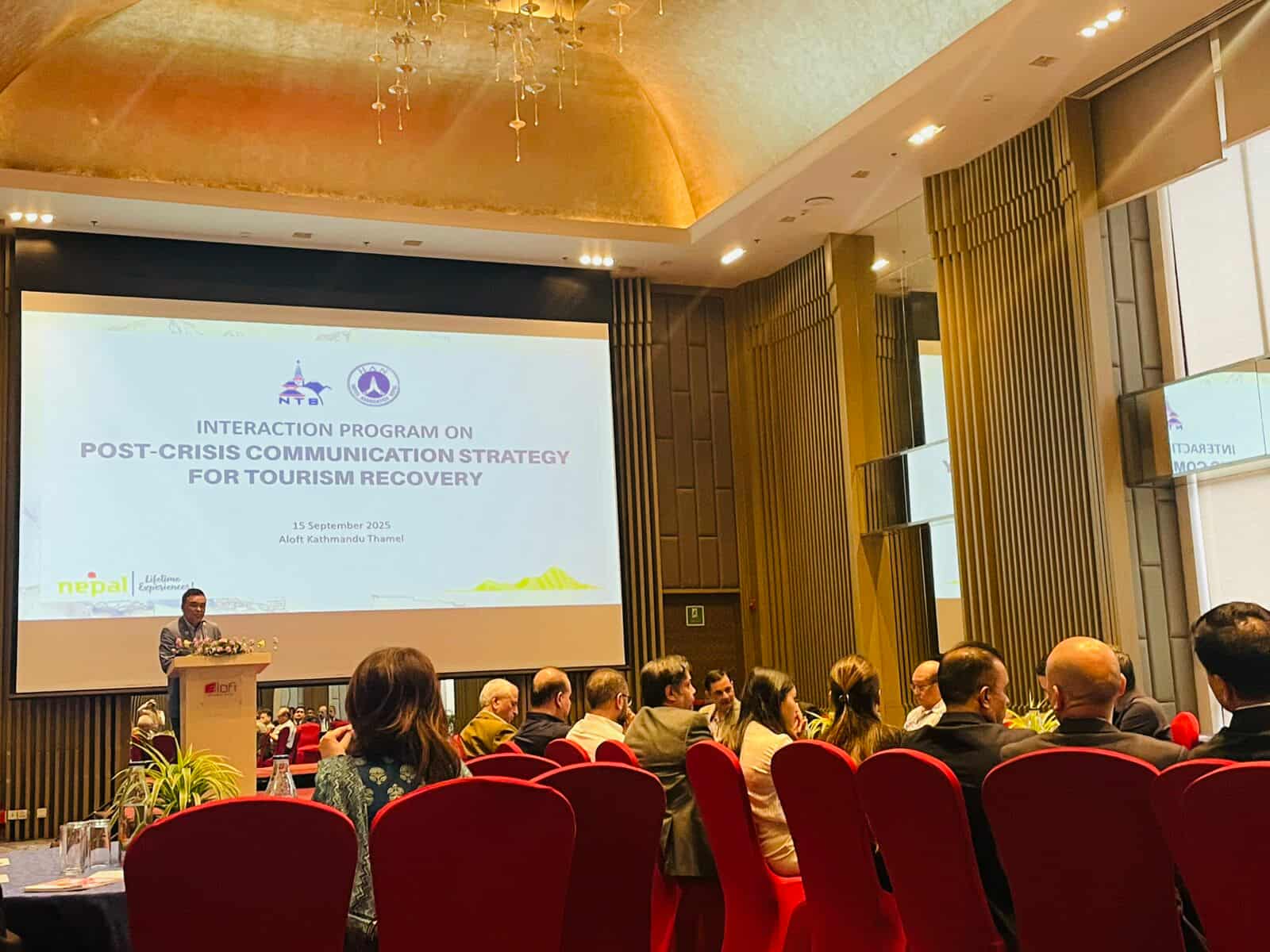

In an important move aimed at reviving Nepal’s tourism sector, the backbone of the national economy, the Ministry of Culture, Tourism and Civil Aviation, in coordination with the Nepal Tourism Board (NTB), held a broad-based discussion with key tourism-related associations and stakeholders. Despite the significant challenges posed by the Gen Z movement and the disruptions it brought to Nepal’s social and economic fabric, the meeting concluded with a strong message of optimism and determination: Nepal’s tourism is on a path to revival and progress.
Government Commitment to Policy Reforms
Hari Prasad Mainali, Secretary at the Ministry of Tourism and Chairperson of the Nepal Tourism Board, stressed the government’s commitment to removing policy hurdles in order to revive the tourism sector. Highlighting the importance of close cooperation with the private sector, he said, “Immediate reforms have already been initiated. Our primary focus is on restoring Nepal’s global image as a safe destination. We are leveraging technology and communication tools to disseminate the message that Nepal is secure for travelers.”
Mainali emphasized that the safety and facilitation of tourists visiting Nepal will remain the government’s top priority. He instructed relevant agencies to provide necessary support for the smooth mobility of visitors, adding, “This crisis has taught us valuable lessons. With the appointment of the Prime Minister and the expansion of the Cabinet, the world has received the message that Nepal has achieved a safe landing from the crisis. We are moving forward with optimism.”
NTB’s Strategic Focus on Tourism Packages
Ram Prasad Sapkota, Vice-Chairperson of NTB, pointed out the need to launch attractive tourism packages to revive momentum during the ongoing season. He underlined the importance of using embassies, the Non-Resident Nepali Association (NRNA), and other networks to spread the message that Nepal is safe and welcoming for tourists.
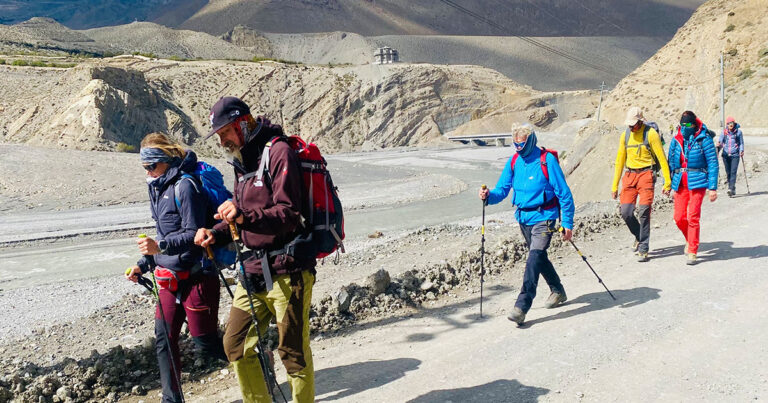
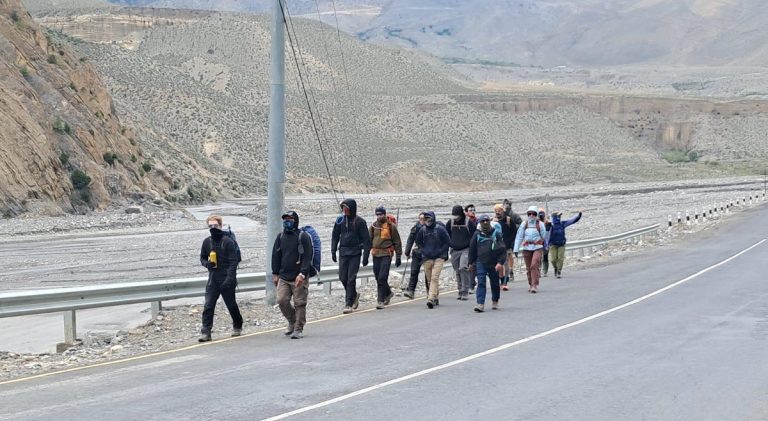
Similarly, Mani Ram Lamichhane, head of NTB’s Pokhara office, informed that coordination is underway with tourism entrepreneurs in Pokhara to assess the damage caused and facilitate recovery. He assured that trekking routes are safe and adventure tourism activities have already resumed, stating, “We are prepared to provide facilitation for tourists traveling to and from Pokhara, ensuring that their journey remains smooth and enjoyable.”
Private Sector’s Resilience
The private sector echoed strong commitment toward ensuring quality services for tourists. Binayak Shah, President of the Hotel Association Nepal (HAN), acknowledged the damages faced by hotels but clarified that hospitality standards would not be compromised. “Despite the challenges, adventure tourism has remained largely unaffected. As adventure destinations are safe, we are seeing growing numbers of visitors in this segment,” he remarked.
Similarly, Kumar Mani Thapaliya, President of the Nepal Association of Tour and Travel Agents (NATTA), called for the consistent dissemination of Nepal’s safety message. He explained that the current crisis is different from natural disasters and requires long-term strategic solutions. “We are working on comprehensive strategies that will ensure Nepal’s sustained growth as a tourism destination,” Thapaliya said.
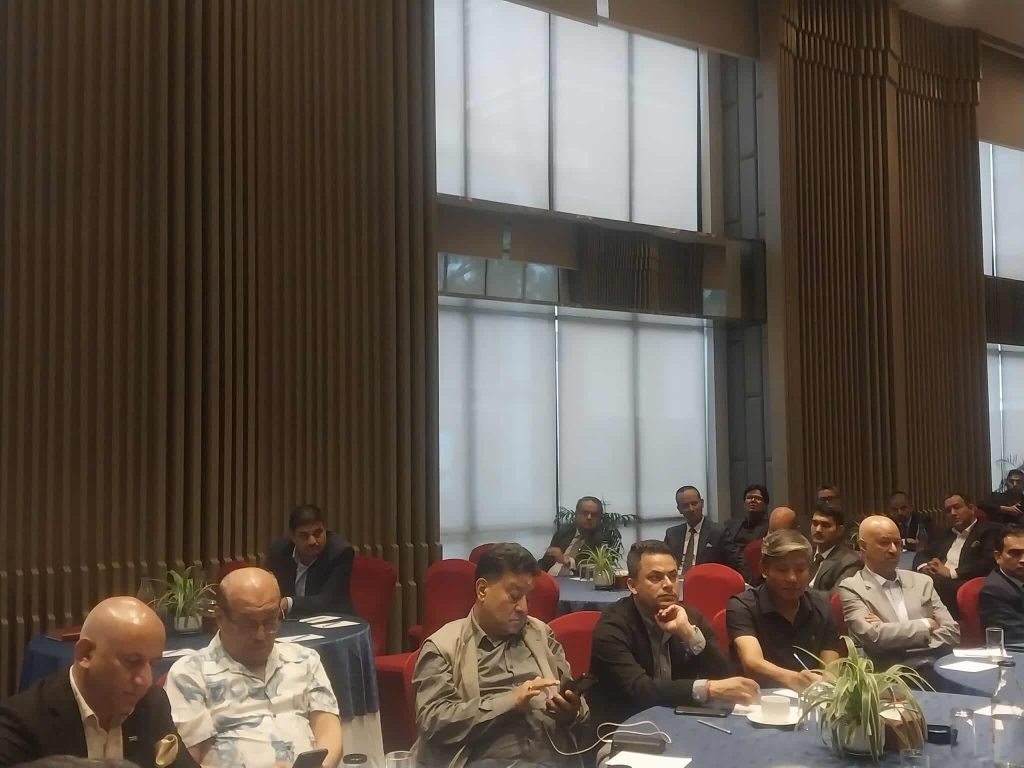
Emphasis on Recovery and Promotion
NTB member Rishi Ram Bhandari emphasized the need for continuous efforts in recovery. “Historically, Nepal’s tourism has taken about five years to recover after major crises. This time, however, we must accelerate the process and achieve recovery in a much shorter timeframe,” he said.
Board member and General Secretary of PATA Nepal, Narendra Dev Bhatt, highlighted the importance of international promotion, stressing coordination with Nepali embassies abroad and foreign missions in Nepal to project Nepal as a safe and secure destination. Likewise, Trekking Agencies’ Association of Nepal (TAAN) President Sagar Pandey and Kailash Tour Operators Association President Bimal Naharki underscored the need to facilitate Kailash Mansarovar travel, an important pilgrimage route for regional tourism.
Confidence from Past Experiences
Deepak Raj Joshi, Chief Executive Officer of NTB, reminded stakeholders that Nepal has a history of overcoming crises and reviving tourism. He cited past natural disasters and political upheavals, explaining that the sector has always bounced back with resilience. “We need to promote Nepal’s diverse destinations more aggressively and prioritize tourist safety. For this, we are working in close coordination with multiple state agencies,” Joshi stated.
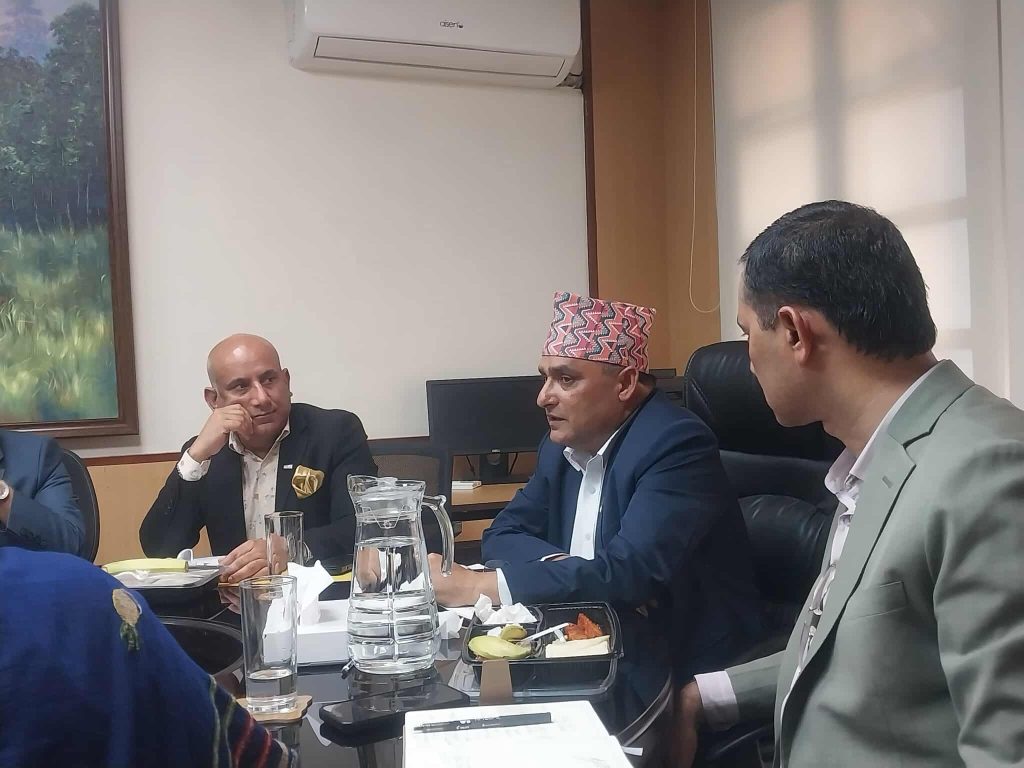
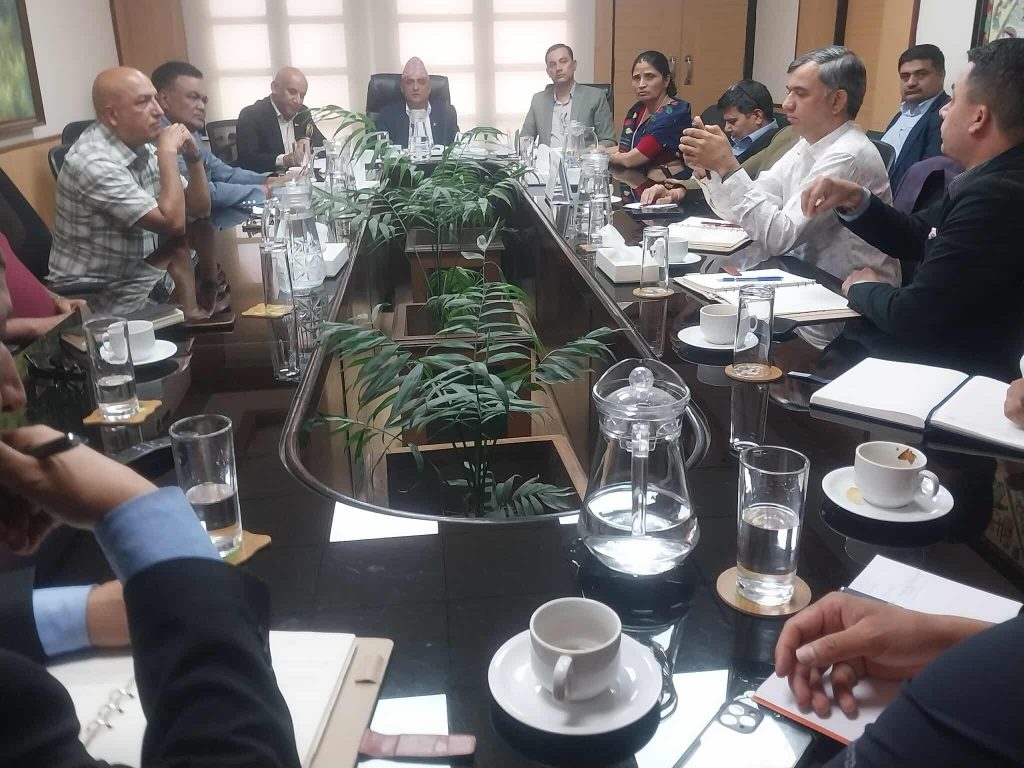
In addition, NTB also held consultations with the heads, general managers, and representatives of four-star and five-star hotels on Monday. During the discussions, hoteliers assured that they are prepared to welcome guests once the government facilitates mobility and logistical support. They expressed unity in collectively working toward reviving Nepal’s tourism industry. “We are ready to host guests. What we seek is facilitation from the state agencies to ensure their smooth arrival and stay,” most hoteliers stated during the meeting.
A Unified Voice for Revival
The series of discussions held with various stakeholders, government representatives, NTB officials, hoteliers, tour operators, and travel associations, resulted in a unified voice for revival. All parties expressed commitment to turning the recent challenges into opportunities by strengthening Nepal’s position as a safe, attractive, and accessible destination for international travelers.
By aligning strategies and reinforcing cooperation, the government, NTB, and private sector stakeholders demonstrated their collective unity in rebuilding Nepal’s tourism sector. This united front seeks not only to restore what was lost but also to reimagine and enhance Nepal’s tourism profile in the global arena.